


Older adults deserve high quality mental health care.
Therapists deserve the training to provide that care.

Older adults deserve high quality mental health care.
Therapists deserve the training to provide that care.
Later life can bring changes that reach across nearly every part of a person’s world. Health may change. Relationships and roles may shift. Independence can take on new meanings. Grief may accumulate across many kinds of losses. Questions about caregiving, family, purpose, identity, mortality, and the future can become more prominent. None of this means that distress is simply an inevitable part of getting older.
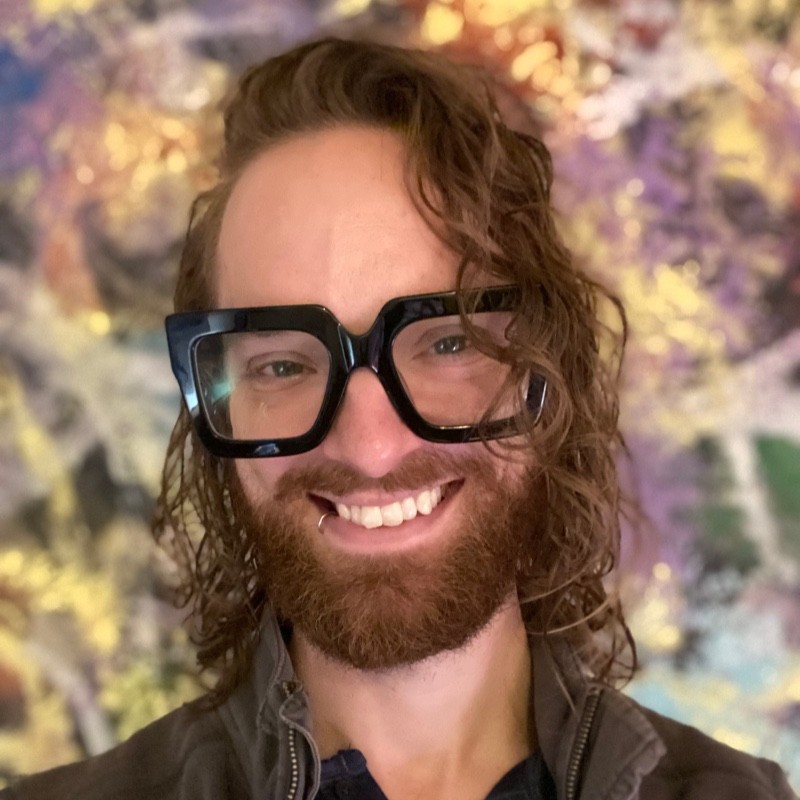
I am Z. Hamilton Avery, LCSW, a psychotherapist and clinical social worker with more than 15 years of experience across mental health, healthcare, crisis services, hospice and end-of-life care, and community-based settings. I provide online psychotherapy to adults and older adults in Oklahoma, Florida, South Carolina, and Idaho. Throughout my career, I have worked with older adults in behavioral health, integrated healthcare, hospice, and other settings where emotional well-being often intersects with physical health, family relationships, changing abilities, caregiving needs, loss, and complex decisions about care.
I work with older adults experiencing stress, anxiety, depression, trauma and PTSD, chronic illness and pain, grief and loss, suicidal thoughts, loneliness and isolation, changes in health or functioning, major life transitions, relationship concerns, and questions about identity, self-worth, meaning, or purpose. Therapy can also provide space to navigate retirement, changing family roles, caregiving relationships, increased reliance on others, uncertainty about the future, or the emotional impact of medical diagnoses and healthcare experiences.
I do not approach aging as a problem to solve. I also do not assume that someone’s concerns are simply a normal consequence of getting older. Older adults deserve the same curiosity, individualized attention, and access to meaningful mental health treatment as people at any other stage of life.
My therapeutic foundation is humanistic and person-centered. I begin by trying to understand what an experience means to you rather than assuming what aging, illness, disability, grief, dependence, independence, or change should mean. A transition that feels freeing to one person may feel devastating to another. A change that looks minor from the outside may carry profound implications because of someone’s history, relationships, identity, values, or sense of self.
Treatment is collaborative and individualized. My clinical training includes CBT, DBT, ACT, motivational interviewing, compassion-focused therapy, EMDR, trauma-focused interventions, mindfulness, somatic approaches, and mind-body practices. We can draw from these approaches according to what is useful and appropriate for you. Therapy might involve processing grief or difficult experiences, developing practical coping strategies, adapting to changes in health or functioning, working with painful thoughts and emotions, strengthening self-compassion, clarifying values, improving communication, or finding ways to remain connected to relationships, activities, purpose, and quality of life.
My background in healthcare and hospice has also shaped how I think about mental health later in life. Emotional concerns may exist alongside chronic illness, pain, disability, medical appointments, medications, changing energy or mobility, caregiving arrangements, and decisions about future care. Those realities deserve to be acknowledged rather than treated as background information. Therapy can make room for difficult subjects, including illness, loss, mortality, dependence, and uncertainty without assuming that every conversation needs to become positive or that every difficult emotion needs to be eliminated.
Autonomy remains important throughout the lifespan. I believe older adults should remain active participants in decisions about their mental health care. Therapy should respect your goals, preferences, abilities, values, relationships, identity, and accumulated life experience. My role is not to decide what a good later life should look like for you.
My practice is 2SLGBTQIA+ affirming, neurodiversity affirming, disability affirming, and trauma-informed. Older adults are not a homogeneous population. Experiences of aging can differ substantially according to identity, health, disability, family, relationships, culture, financial resources, community, and experiences within healthcare or other systems. I want therapy to leave room for those differences rather than relying on assumptions about age or what someone at a particular stage of life is supposed to need.
Later life can include profound loss and difficult change. It can also include adaptation, connection, discovery, humor, growth, changing priorities, and new ways of understanding a life already richly lived. Therapy does not need to prescribe which of those experiences you should be having. It can provide a place to make sense of what is happening now, draw upon what you have learned across your life, develop additional ways of navigating what lies ahead, and decide what continues to matter to you.
Anxiety • Depression • Trauma & PTSD • Chronic Illness • Chronic Pain • Serious Illness • Grief & Loss • Anticipatory Grief • Suicidal Ideation • Aging & Life Transitions • Retirement & Role Transitions • Health-Related Stress • Medical Trauma & Healthcare Stress • Adjustment to Changes in Health or Functioning • Loss of Independence • Coping with Disability • Loneliness & Social Isolation • Caregiver Stress & Burnout • Caregiving & Family Stress • Relationship & Family Changes • Identity & Self-Worth • Meaning & Purpose • Stress & Burnout • Mindfulness & Self-Compassion • LGBTQIA+ Affirming Care • Neurodiversity-Affirming Care • Disability-Affirming Care • Hospice & End-of-Life Concerns
Major Insurance Providers
| Street Address | Not Available |
| City, State | Telehealth Across Oklahoma, Florida, South Carolina, & Idaho |
| State(s) of Licensure | Oklahoma, Florida, South Carolina, Idaho |
| Languages | English |
| Online/Telehealth | Yes |
| In-Person/Office Setting | No |
| Home-Based | No |
| Prescribe Medication? | No |
| Website | https://www.therapywithz.com |


