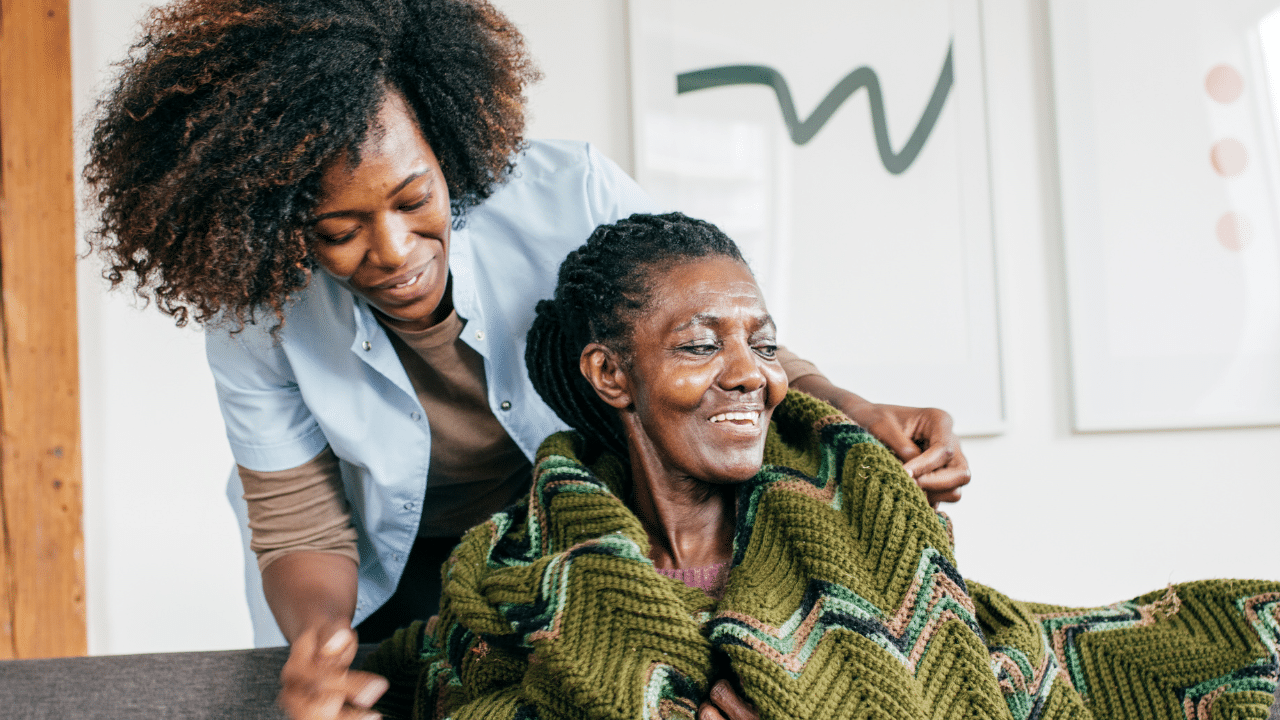
When someone is living with both dementia and PTSD, their needs are complex—but support is still possible, and it can make a world of difference.
In this episode, I share what I’ve learned as a geropsychologist working with older adults navigating both dementia and trauma.
3 Key Takeaways from This Episode
-
Trauma treatment in dementia depends on stage.
In the early stages, people with dementia may still benefit from trauma therapies like prolonged exposure when guided by specialists. But as the disease progresses, care shifts from psychotherapy to adapting the environment and reducing triggers. -
Triggers fuel agitation and distress.
Every person has unique trauma triggers—sounds, smells, caregiver dynamics, even bathing—that can spark fear or agitation. Identifying and modifying these triggers is essential to supporting safety and emotional stability. -
Train staff, don’t transfer residents who get agitated.
Agitation and resistance are common with dementia, not rare exceptions. Memory care communities should stop transferring residents when these behaviors appear and instead invest in staff training, de-escalation skills, and trauma-informed care.
Here’s What You’ll Learn In This Episode:
- When trauma therapy can still be effective in the early stages of dementia.
- How dementia progression changes what’s possible for PTSD treatment.
- The importance of identifying and minimizing unique trauma triggers.
- Practical strategies to reduce distress at home or in memory care.
- Why moving someone because they’re “too difficult” can do more harm than good—and how to respond instead.
Resources Mentioned:
Remember…
It’s only with your help that we can meet the mental health needs of older adults. So thank you for being here—and thank you for doing your part.
Related Resources
- Podcast: Link Between Trauma + Dementia: Does Unresolved Trauma Raise Risk?
- Blog: Trauma and Older Adults: Acute Stress Disorder, PTSD, and Unique Considerations
- Blog:Benefits of Cultural Humility and Trauma-Informed Care With Minoritized Older Adults
- Podcast: PTSD and Trauma Informed Care with Older Adults
- Trauma Informed Care with Older Adults Certificate Course (6 CEU credits)
- Trauma-Informed Care Guide for Older Adults: Download here
- Helping Older Adults After Disasters: A Guide by SAMHSA
- Helping Older Adults Prepare for Disasters: Essential Resources & Tips
- SAMHSA Disaster Distress Helpline: 1-800-985-5990
- National Crisis Hotline for Mental Health: Call 988 (Like 9-1-1 but for mental health emergencies)
Subscribe and Leave a Review
If you enjoyed this episode, please subscribe, leave a review, and share it with a colleague or friend. Together, we’re building a movement for mental health and aging. Because there is no expiration date on healing, transformation, and growth.
References
- García-Martín, V., de Hoyos-Alonso, M. C., Ariza-Cardiel, G., Delgado-Puebla, R., García-Domingo, P., Hernández-Melo, E., de Haro-de Torres, J. L., & Del Cura-González, I. (2022). Neuropsychiatric symptoms and subsyndromes in patients with different stages of dementia in primary care follow-up (NeDEM project): a cross-sectional study. BMC geriatrics, 22(1), 71. https://doi.org/10.1186/s12877-022-02762-9
- National Center for PTSD – Information on trauma treatment in older adults and people with cognitive impairment.

Dr. Regina Koepp is a board certified clinical psychologist, clinical geropsychologist, and founder and CEO of the Center for Mental Health & Aging: the “go to” place for mental health and aging. Dr. Koepp is a sought after speaker on the topics of mental health and aging, caregiving, ageism, resilience, intimacy in the context of life altering Illness, and dementia and sexual expression. Dr. Koepp is on a mission to ensure mental health and belonging for older adults, because every person at every age is worthy of healing, transformation, and love. Learn more about Dr. Regina Koepp here.
Regina Koepp, PsyD, ABPP























































Want More? Listen to Our Most Recent Episodes


Older adults deserve high quality mental health care.
Therapists deserve the training to provide that care.