I was settling in for a long travel day on an airplane — when I found myself in one of those unexpectedly meaningful conversations that remind me why I do this work.
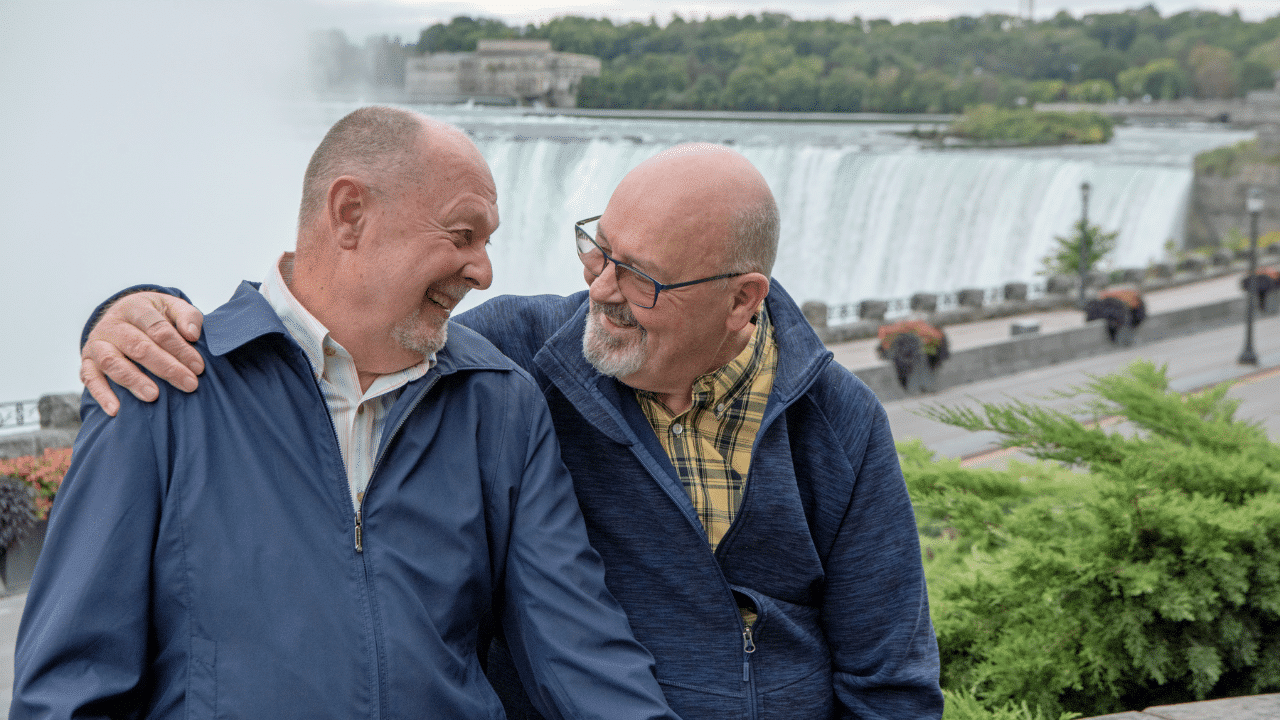
The man sitting next to me was in his early 60s. He and his husband were heading to Burlington to explore whether it might be a good place to retire. He seemed relaxed and warm. But when he learned I was a geropsychologist, something shifted, and he began to talk about his 93-year-old mother.
She lives in a personal care home. She calls him multiple times a day, even though he visits daily. Every call has the same question: When are you coming to visit?
He described a relationship full of love — he is present, he visits, he shows up. She was a loving and nurturing mother. And yet he told me he feels like he is never doing enough. That no matter how much he gives, there’s an ache of powerlessness he cannot shake. Now, on the plane, he wonders whether she will be okay while he’s away for the weekend.
I simply reflected back what I heard — I simply reflected back what I heard —that loving someone deeply and still feeling helpless is a deeply painful experience.
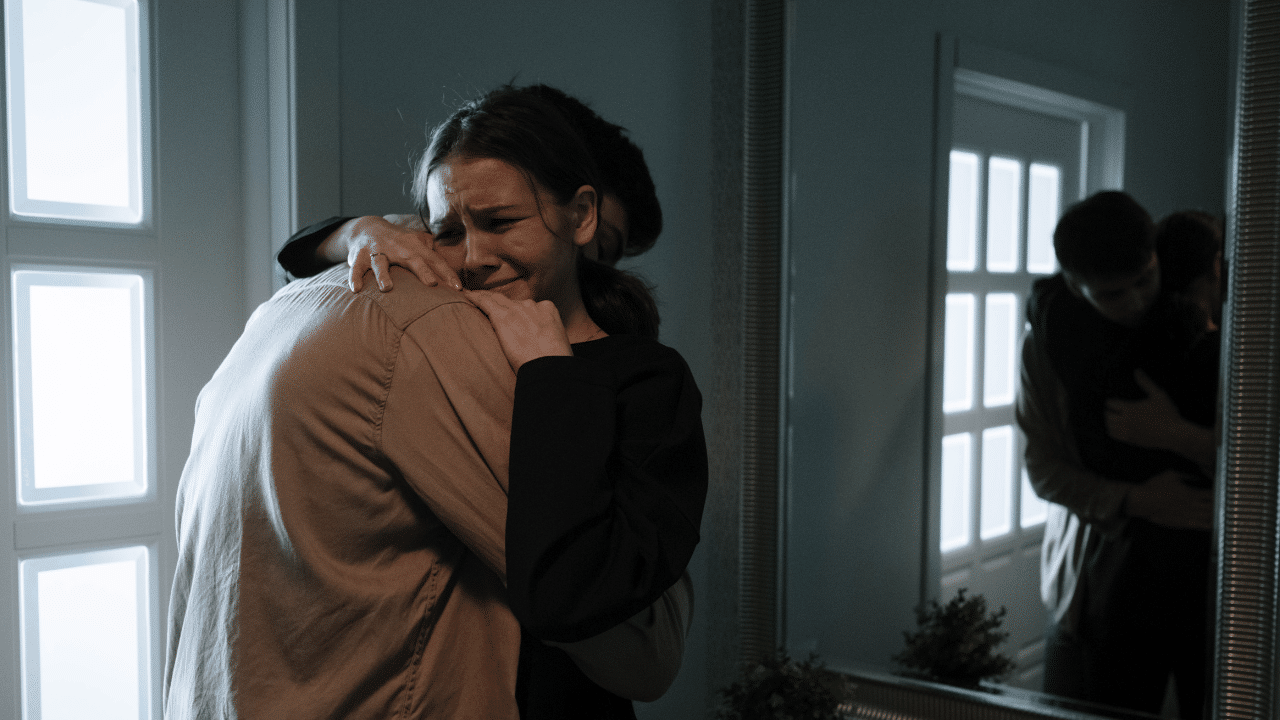
He cried.
To know that he wasn’t alone and was seen and understood moved him deeply.
That conversation stayed with me. It led me to think carefully about a topic we see quite often but don’t talk about nearly enough in our work with older families: separation anxiety.
What Is Separation Anxiety?
When most people hear “separation anxiety,” they picture a toddler clinging to a parent’s leg at daycare drop-off. And yes — separation anxiety is a recognized part of early childhood development.
But separation anxiety is not just a childhood experience. It occurs across the entire lifespan. In older adulthood, it takes on a different shape — one layered with loss, dependency, attachment history, and death anxiety. Separations in later life often don’t resolve the way they do when you’re young.
Clinically, separation anxiety involves excessive fear or distress when separated from — or anticipating separation from — an attachment figure, with worry about harm coming to that person or to the self.
In adults, it can look like intense distress at being alone, persistent worry that something terrible will happen to a loved one, reluctance to leave home, sleep disturbances during separations, and somatic symptoms such as stomachaches or headaches.
The DSM-5 recognizes separation anxiety disorder across the entire lifespan. In adults, symptoms must be excessive and persistent — present for six months or more — and cause clinically significant functional impairment.
From an attachment perspective, separation anxiety is an amplified protest and fear response when proximity to the attachment figure — and our sense of security — is threatened.
In late life specifically, separation anxiety is best understood as an attachment-based fear of being apart from a key person — or place — who feels essential for safety, survival, and emotional regulation, amplified by the particular vulnerabilities of aging.
DSM-5 Criteria for Separation Anxiety Disorder
American Psychiatric Association. Diagnostic and Statistical Manual of Mental Disorders, 5th edition (DSM-5). American Psychiatric Publishing.
Criterion A – Core feature:
Developmentally inappropriate and excessive fear or anxiety concerning separation from those to whom the individual is attached, as evidenced by at least 3 of the following:
- Recurrent excessive distress when anticipating or experiencing separation from home or from major attachment figures.
- Persistent and excessive worry about losing major attachment figures or about possible harm to them, such as illness, injury, or death.
- Persistent and excessive worry about experiencing an untoward event — getting lost, having an accident, becoming ill — that causes separation from a major attachment figure.
- Persistent reluctance or refusal to go out, away from home, to work, or elsewhere because of fear of separation.
- Persistent and excessive fear of or reluctance about being alone or without major attachment figures at home or in other settings.
- Persistent reluctance or refusal to sleep away from home or to go to sleep without being near a major attachment figure.
- Repeated nightmares involving the theme of separation.
- Repeated complaints of physical symptoms — headaches, stomachaches, nausea — when separation from major attachment figures occurs or is anticipated.
Criterion B – Duration:
The fear, anxiety, or avoidance persists for at least 4 weeks in children and adolescents, and 6 months or more in adults.
Criterion C – Distress/Impairment:
The disturbance causes clinically significant distress or impairment in social, occupational, or other important areas of functioning.
Criterion D – Differential Diagnosis:
The disturbance is not better explained by another mental disorder, including autism spectrum disorder, psychotic disorders, agoraphobia, generalized anxiety disorder, or illness anxiety disorder.
Separation Anxiety in Late Life Is Not a Disorder of Aging
Separation anxiety in late life is not a sign that someone is becoming more dependent, more fragile, or more “difficult.” It is not a pathology of aging. It is an attachment response to accumulated threat.
Attachment theory, developed by John Bowlby and extended across the lifespan by decades of research, tells us that the drive to seek proximity to a trusted other in the face of danger is one of the most fundamental and adaptive features of human psychology. Think about the last time you grabbed your seatmate’s arm during turbulence on a flight. That’s attachment activation. It doesn’t disappear as we age — it becomes more, not less, relevant as the stakes of separation rise.
In late life, those stakes are objectively higher. The losses are real. The health vulnerabilities are real. The shrinking of one’s attachment network — through deaths, relocations, and cognitive decline — is real. When an older adult or their caregiver responds to accumulated threat with heightened proximity seeking and fear of separation, they are not malfunctioning. They are doing exactly what an attachment system under sustained pressure is designed to do.
The clinical question is not: “Why are they so anxious?”
The clinical question is: “What has this attachment system been through, and what does it need now?”
How Separation Anxiety in Older Adults Differs from Childhood
Separation anxiety in older adulthood is a fundamentally different clinical picture. It emerges in a context of real losses, realistic fears, and legitimate dependencies. Several features make it distinct:
The fears are often objectively grounded
A young child fears a parent won’t return — but that fear is largely imagined. For an older adult, the fear that a caregiver might not be available has a real basis. In the midst of life-altering medical problems and functional dependence, a caregiver is often literally tied to a care recipient’s survival — managing medications, preventing falls, providing orientation to reality.
It’s bi-directional
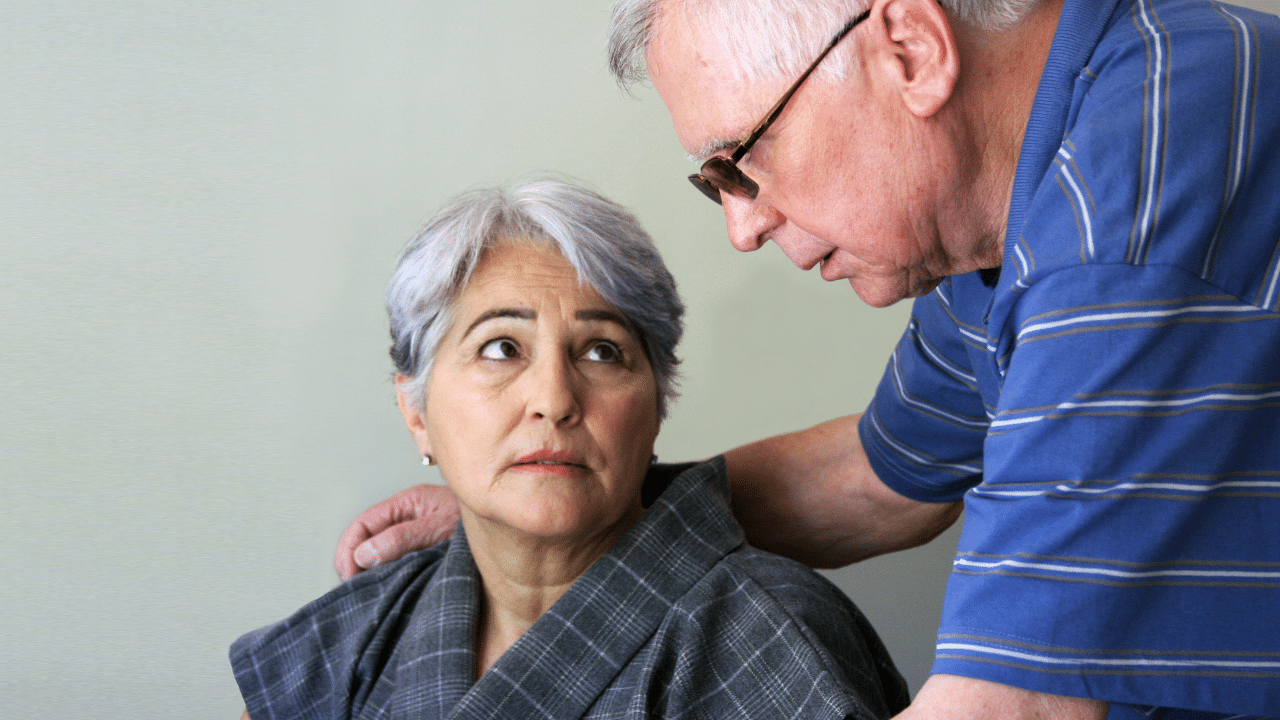
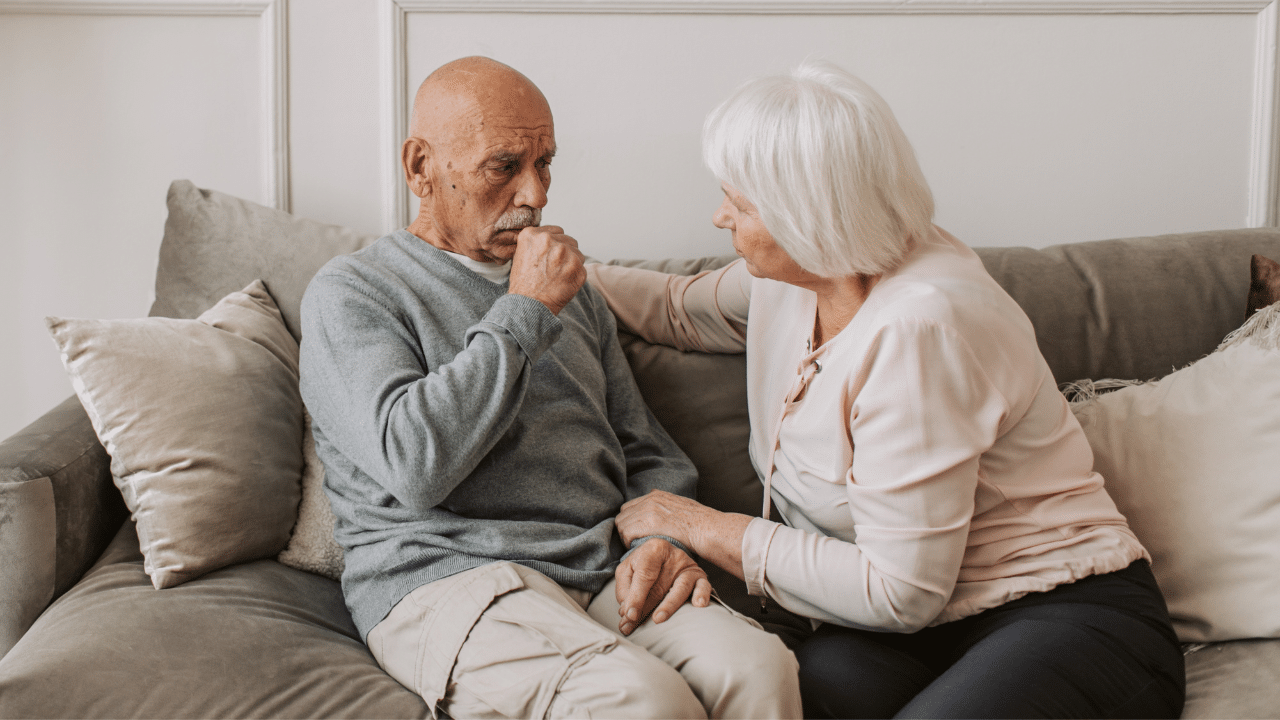
This is something we rarely name: separation anxiety in later life is not just the older adult’s experience. Adult children, older spouses, and family caregivers experience it, too. The man on the plane was experiencing his own version — that aching worry about whether he was doing enough, the powerlessness that surfaced every time his phone rang. And so was his mother, calling him multiple times a day. Caregivers face anticipatory grief, ambiguous grief, fear of loss, role changes, and the particular anguish of loving someone who will likely die before them.
Cognitive changes intensify Separation Anxiety
For older adults living with dementia, separation anxiety can become acute and constant. When memory and executive function are compromised, a caregiver isn’t just emotionally comforting — they are standing in for the cognitive functions the older adult has lost. Without them present, the world becomes disorienting and unsafe. Shadowing (following the caregiver from room to room) and panic when the caregiver leaves are attachment behaviors, not problem behaviors.
Forced separations are often abrupt and indefinite
When a child separates from a caregiver, there is usually a predictable return. When a young adult leaves home, it unfolds in concert with a cohort of peers, in line with healthy differentiation. But in older adulthood, transitions to a hospital, rehabilitation facility, or long-term care can be sudden — the result of a fall, a stroke, an infection — and the timeline uncertain. Residents and families describe these separations as producing intense feelings of abandonment and despair, particularly when visitation is restricted (Benzinger et al., 2023).
Lifelong attachment patterns resurface
Late life is a stress test for the attachment system. Older adults and their family members bring decades of relational history into the caregiving relationship. Under the pressure of illness, mortality, and dependency, anxious attachment patterns can intensify. An adult child with a history of anxious attachment may find it nearly impossible to leave, even when they are depleted. An older adult who has always feared abandonment may experience each goodbye as confirmation of their deepest fears.
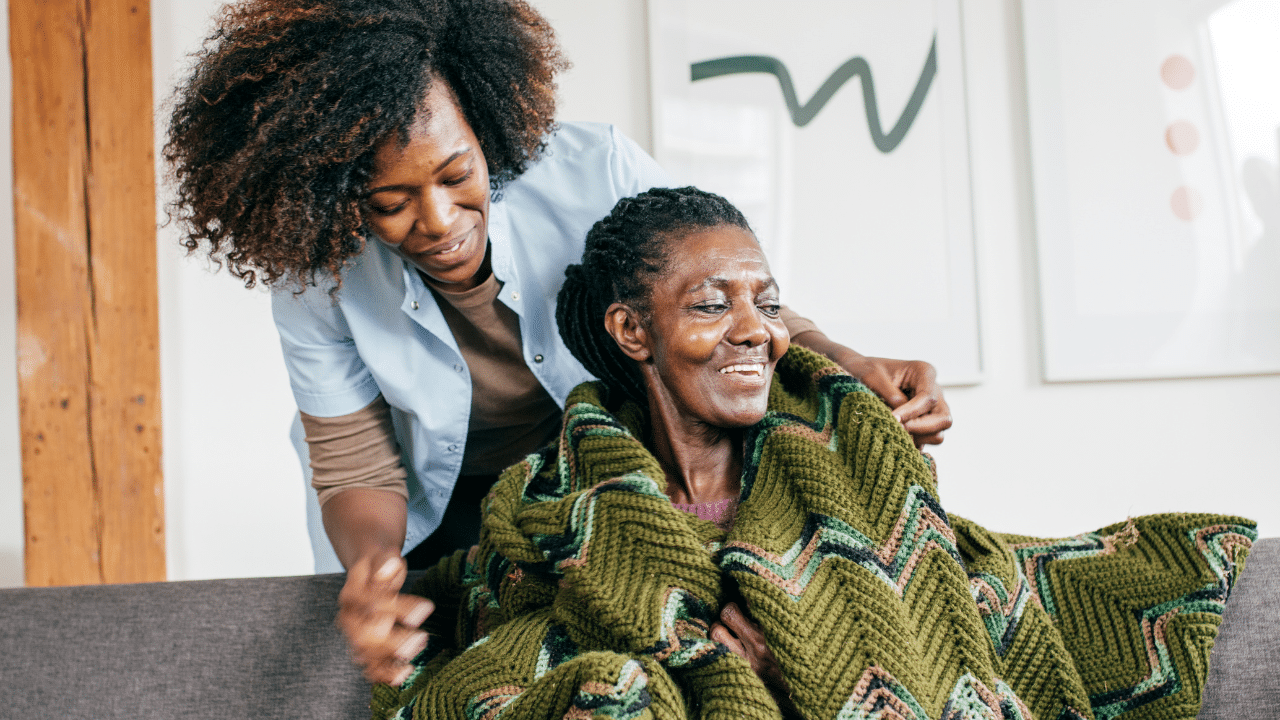
In my trainings on caregiver family therapy, I often discuss how the quality of the relationship prior to the caregiving dynamic gets amplified in caregiving — and how to navigate those stages with that in mind.
What This Means for Our Clinical Work
When we see an older adult calling their adult child ten times a day, it is tempting to label it as “difficult” behavior or enmeshment. When we see a caregiver who cannot set limits without overwhelming guilt, we might jump straight to psychoeducation about self-care.
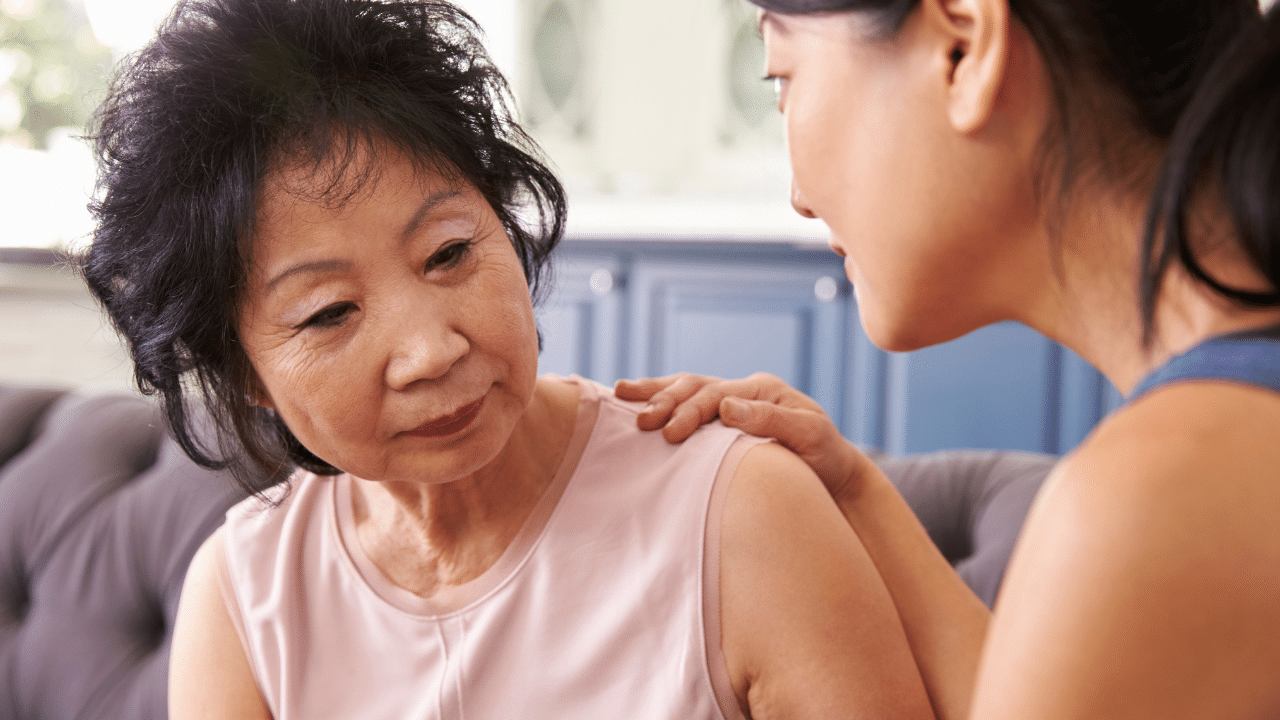
But if we slow down and look through an attachment lens, something more clinically useful comes into view: both the older adult and the caregiver are responding to threat in the ways their attachment systems know how. Our role is not to pathologize either experience. It is to name it, validate it, and work with it in the family system.
In my trainings on caregiver family therapy, I often discuss how the quality of the relationship prior to the caregiving dynamic gets amplified in caregiving — and how to navigate the stages of caregiving with the relationship and attachment in mind.
Related Articles
- Aging Parent Calling Too Many Times a Day? 5 Next Steps
- Do Caregivers Really Die Before Their Loved Ones? What The Science Actually Says
- Grieving Someone Who’s Still Alive: Understanding Ambiguous Loss
References
- American Psychiatric Association. (2013). Diagnostic and statistical manual of mental disorders (5th ed.). American Psychiatric Publishing. https://doi.org/10.1176/appi.books.9780890425596
- Benzinger, P., Wahl, H. W., Bauer, J. M., Keilhauer, A., Dutzi, I., Maier, S., Hölzer, N., Achterberg, W. P., & Denninger, N. E. (2023). Consequences of contact restrictions for long-term care residents during the first months of COVID-19 pandemic: A scoping review. European Journal of Ageing, 20(1), 39. https://doi.org/10.1007/s10433-023-00787-6
- Manicavasagar, V., Silove, D., Wagner, R., & Drobny, J. (2000). A self-report questionnaire for measuring separation anxiety in adulthood. Comprehensive Psychiatry, 41(1), 53–59. https://pubmed.ncbi.nlm.nih.gov/14624819/
- Mikulincer, M., & Shaver, P. R. (2007). Attachment in adulthood: Structure, dynamics, and change. PMC. https://pmc.ncbi.nlm.nih.gov/articles/PMC4920267/
- Sable, P. (2002). Attachment, anxiety, and loss of a husband. American Journal of Orthopsychiatry, 61(2), 279–287.
- Sakashita, T., Miyake, Y., & Kondo, T. (2017). Parents’ psychological process of caregiver role reversal involving their adult children. Korean Journal of Family Medicine, 38(3), 152–158.

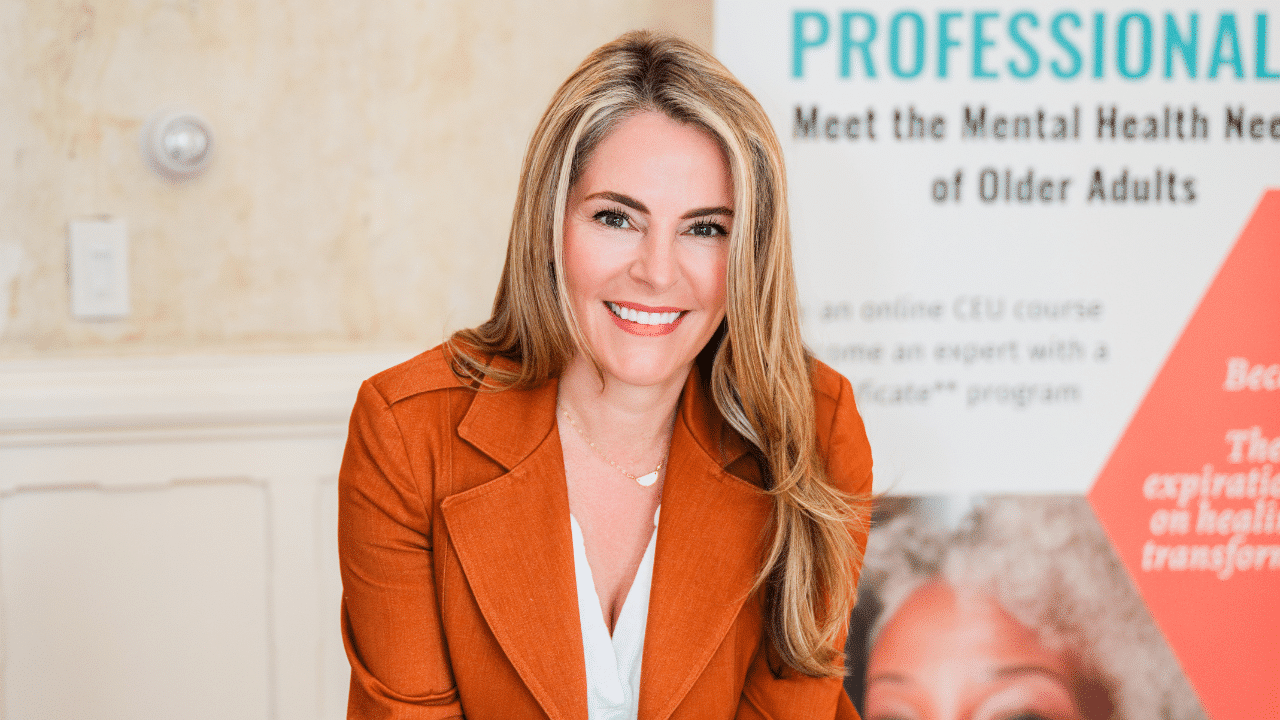
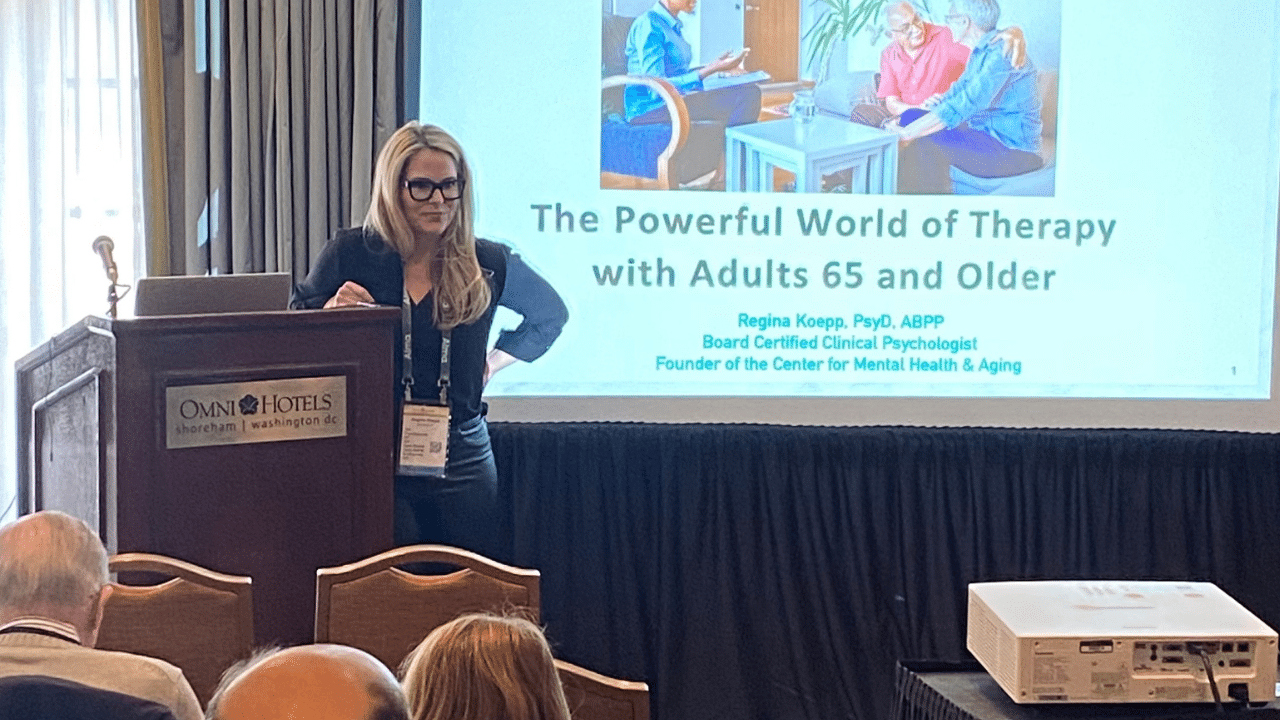
Dr. Regina Koepp is a board certified clinical psychologist, clinical geropsychologist, and founder and CEO of the Center for Mental Health & Aging: the “go to” place for mental health and aging. Dr. Koepp is a sought after speaker on the topics of mental health and aging, caregiving, ageism, resilience, intimacy in the context of life altering Illness, and dementia and sexual expression. Dr. Koepp is on a mission to ensure mental health and belonging for older adults, because every person at every age is worthy of healing, transformation, and love. Learn more about Dr. Regina Koepp here.
Regina Koepp, PsyD, ABPP
















































Want More? Read Our Most Recent Posts


Older adults deserve high quality mental health care.
Therapists deserve the training to provide that care.