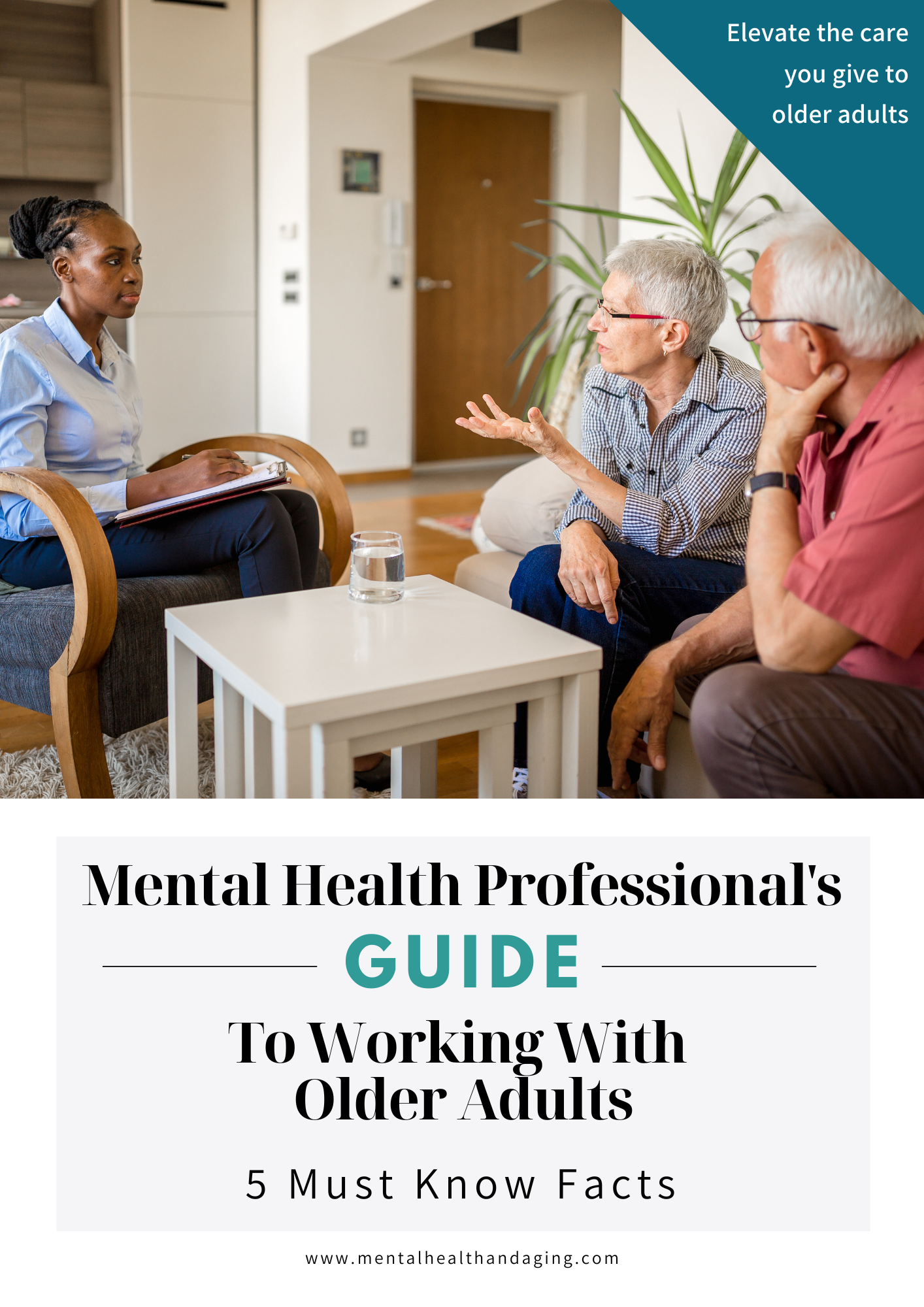
Suicide Risk Spikes After a Dementia Diagnosis: Here’s Why
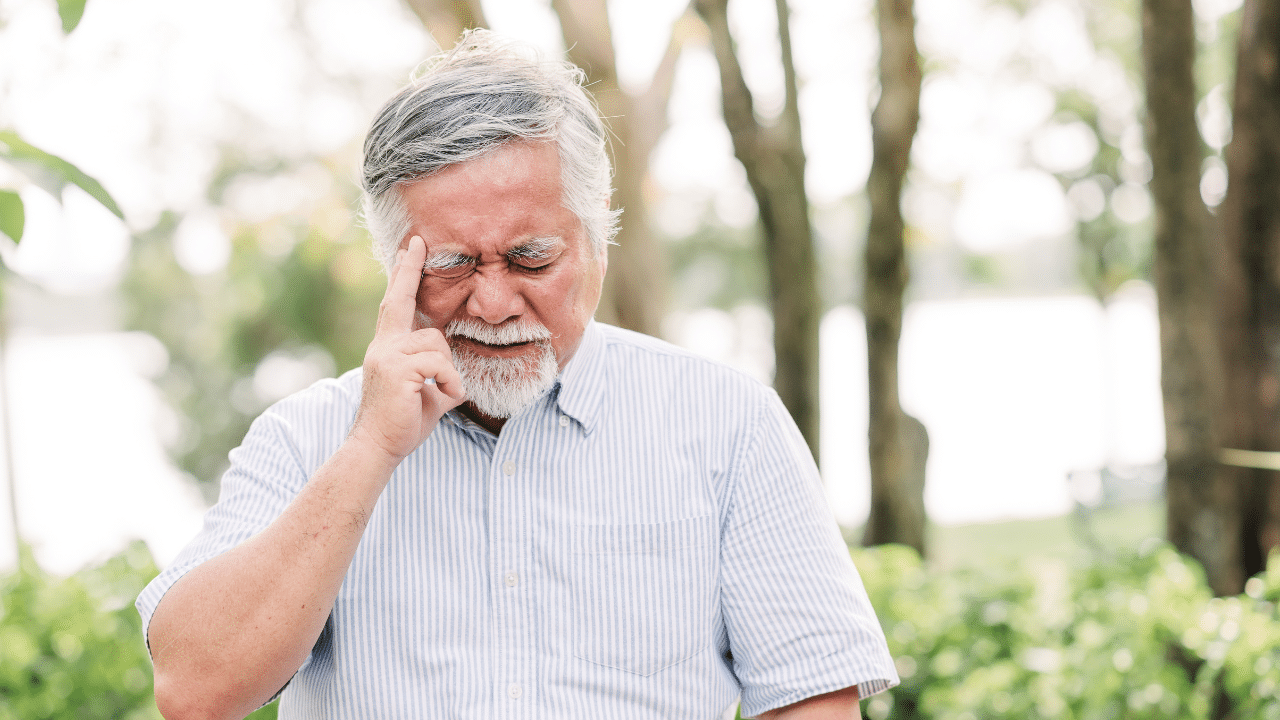
Receiving a dementia diagnosis changes everything. For many people, it brings relief—finally, there’s an explanation for the confusion, memory lapses, or personality changes that have been happening. But for others, especially in the first months after hearing the words “you have dementia”, it can trigger a wave of fear, despair, and even suicidal thoughts.
Research is clear: the risk of suicide spikes right after a dementia diagnosis. And for people diagnosed before age 65, the danger is even higher—nearly seven times higher in the first three months than for those without dementia.
As therapists, psychologists, social workers, and healthcare providers, this is a call to action. Our role is not just to treat symptoms—it’s to anticipate risk, intervene early, and offer hope when the future feels uncertain.
Let’s explore why suicide risk rises so sharply after a dementia diagnosis—and what we can do about it.
Suicide Risk in Younger Adults With Dementia (Under Age 65)
When dementia strikes before age 65, it’s called young-onset dementia. While less common, its impact is profound. Research shows that:
- People under 65 with dementia have nearly 3 times greater odds of suicide than those without dementia.
- Within the first three months of diagnosis, suicide risk skyrockets to almost 7 times higher than peers without dementia.
- Even one year later, the risk remains significantly elevated.
Why? Younger adults may still be working, raising children, paying a mortgage, and shaping careers and haven’t achieved a sense of life completion. A diagnosis of dementia threatens all of that—upending roles, finances, and life plans.
Imagine being told, in your 50s, that you’re losing your memory and independence. You may not yet have retired, your children may still be in the home or in college, and you may be the primary breadwinner. The weight of anticipated loss can feel unbearable.
Suicide Risk in Older Adults With Dementia (65 and Over)
Adults diagnosed at or after 65 also face increased suicide risk, particularly in the first three months after diagnosis.
- Suicide risk during this time is more than twice as high as for people without dementia.
- After one year, risk actually declines—likely because as dementia progresses, the ability to act on suicidal intent diminishes.
That doesn’t mean the risk disappears. Certain groups remain especially vulnerable:
- People aged 65–74 at diagnosis.
- Individuals with frontotemporal dementia, where behavioral and personality changes may intensify distress.
- Those with a history of depression or other psychiatric conditions.
Why the Risk Is Highest in the First Months
The early months after a dementia diagnosis are often the hardest. Here’s why:
1. The Shock of Diagnosis
Hearing “you have dementia” lands like a thunderbolt. Fear of decline, dependency, and loss of identity often follows.
2. Awareness of Anticipated Decline
Younger adults, especially, tend to have greater insight into what the diagnosis means. They may envision a long, painful decline and feel powerless to stop it.
3. Psychiatric Comorbidity
Depression, anxiety, and psychosis are common both before and after dementia begins. Preexisting psychiatric conditions increase suicide risk by about 1.5 times—and more than 95% of people with dementia experience an average of five neuropsychiatric symptoms during the course of illness.
4. Life Circumstances and Role Loss
A dementia diagnosis can abruptly disrupt employment, caregiving roles, and financial stability. The loss of purpose, identity, and security compounds psychological pain.
5. Perception of Burdensomeness
According to the interpersonal theory of suicide, when people feel like a burden and still have the ability to act, suicide risk rises. This combination is especially present in the early months of a dementia diagnosis.
What Professionals Can Do
The good news: suicide after dementia is not inevitable. With compassionate intervention, safety planning, and ongoing support, we can save lives.
Here are five steps every provider can take:
- Ask Directly About Suicide
Asking about suicidal thoughts does not “plant the idea.” It shows you care and opens the door to hope. - Screen Early and Often
Assess suicide risk during the first three months after diagnosis—and continue monitoring, especially for younger adults and those with psychiatric histories. Here is a reputable screening tool from Columbia University - Address Psychiatric Symptoms
Treat depression, anxiety, and psychosis aggressively. Integrated care matters: psychiatric comorbidities increase risk, but they are treatable. - Involve Family and Care Partners
Family members often notice warning signs first. Engage them in conversations about safety and support. - Promote Meaning and Connection
Help patients explore legacy projects, life review therapy, or values-based activities that restore a sense of purpose—even in the face of decline.
Practical Tools for Suicide Prevention in Dementia
For therapists, social workers, and psychologists, here are resources you can use today:
- Safety Planning Interventions tailored to cognitive strengths and limitations.
- Collaborative discussions about firearms, medications, and access to means.
- Linking patients to peer and community support, including dementia-friendly networks.
- Normalizing conversations about fear, despair, and burden—without judgment.
And most importantly: stay present. When distress is high, your presence as a calm, caring professional can be life-saving. One of the worst things that we can do is abandon people in their time of need.
A Note on Hope
Yes, suicide risk rises after a dementia diagnosis. But that risk also points to an opportunity: the chance to intervene, to hold space for grief, and to guide patients and families toward resilience and meaning.
Because there is no expiration date on healing, transformation, and growth.
Final Word
Suicide prevention in dementia isn’t just about spotting risk—it’s about creating safety, dignity, and hope at one of life’s hardest crossroads.
Remember, it’s only with your help that we can meet the mental health needs of older adults. Thank you for being here.
Resources
- If you or someone you know is thinking about suicide, call 988 in the U.S. for immediate help.
- For therapists and providers: I created a CE course on Suicide Prevention in Older Adults (1 CE credit)—because every professional should have these tools. Register here: Older Adults and Suicide Prevention CE Course.
- Podcast: Addressing Suicide Risk in Older Adults, Interview with Dr. Yeates Conwell: https://www.mentalhealthandaging.com/podcast/addressing-suicide-among-older-adults-with-yeates-conwell/
- Podcast: Older Adults and Suicide
- Blog: Desire to Hasten Death vs. Suicide When Living with a Terminal Illness
- Columbia University Lighthouse Project Suicide Screening Tool
References
- Alothman D, Card T, Lewis S, Tyrrell E, Fogarty AW, Marshall CR. Risk of Suicide After Dementia Diagnosis. JAMA Neurol. 2022;79(11):1148–1154. doi:10.1001/jamaneurol.2022.3094
- Desai, R., Tsipa, A., Fearn, C., et al. (2024). Suicide and dementia: A systematic review and meta-analysis of prevalence and risk factors. Ageing Research Reviews, 100, 102445. https://lnkd.in/gZVjm_Ws

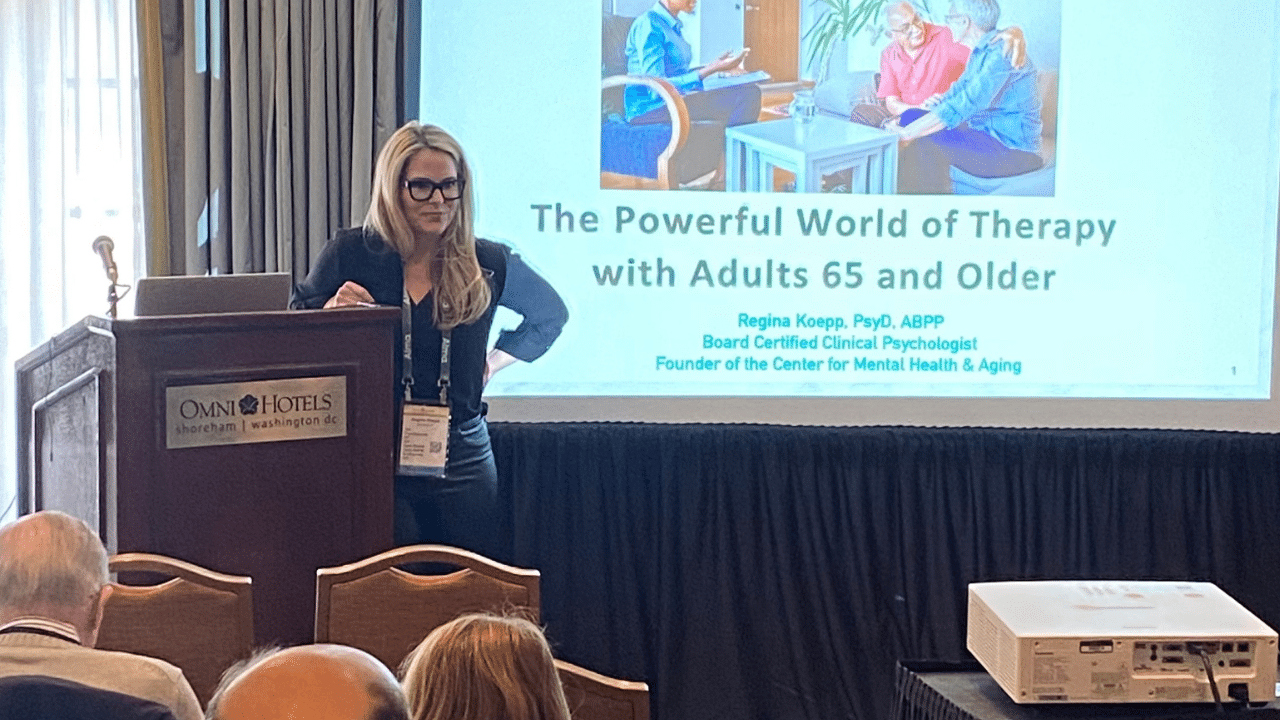
Dr. Regina Koepp is a board certified clinical psychologist, clinical geropsychologist, and founder and CEO of the Center for Mental Health & Aging: the “go to” place for mental health and aging. Dr. Koepp is a sought after speaker on the topics of mental health and aging, caregiving, ageism, resilience, intimacy in the context of life altering Illness, and dementia and sexual expression. Dr. Koepp is on a mission to ensure mental health and belonging for older adults, because every person at every age is worthy of healing, transformation, and love. Learn more about Dr. Regina Koepp here.
Regina Koepp, PsyD, ABPP



























































Want More? Read Our Most Recent Posts


Older adults deserve high quality mental health care.
Therapists deserve the training to provide that care.