
I want you to picture someone I’ll call Margaret.
She’s 74 years old, sharp-witted, funny, and deeply engaged in her community. But lately, she’s been misplacing her keys more than usual. She blanked on a neighbor’s name she’s known for twenty years. She missed a dentist appointment for the first time in her life. She called her daughter in tears: “Do I have Alzheimer’s? Am I losing my mind?”
Margaret doesn’t have Alzheimer’s. What she has — and what millions of older adults are living with — is mild cognitive impairment, or MCI. And the good news? Psychotherapy has a meaningful, evidence-based role to play in helping people like Margaret not just cope, but genuinely thrive.
Margaret is not alone. In fact, AARP’s 2022 Second Half of Life study found that brain health was the top concern among adults regarding “aging and growing older”, with 54% rating it as extremely or very worrying. It outpaced independence (53%), relationships (50%), and every other aging concern on the list (AARP Research, 2022).
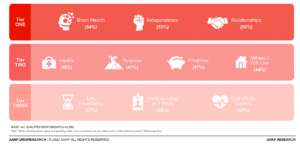
If you’re a therapist working with older adults, or considering specializing in geropsychology, brain health is one of the most important clinical conversations you can be part of, which is why we’re addressing it here.
What Is Mild Cognitive Impairment (MCI)?
Mild cognitive impairment is a clinical syndrome in which a person experiences measurable, noticeable decline in one or more cognitive domains — most commonly memory, but also attention, executive function, language, or visuospatial skills — that is greater than what we’d expect with typical aging. Importantly, MCI is categorized as a minor neurocognitive disorder in the DSM-5 (American Psychiatric Association, 2013).
Here’s the key distinction: in MCI, day-to-day independence is largely preserved. People can still manage their medications, handle their finances, and take care of their household tasks — maybe with a little more effort, maybe with some creative workarounds. But they’re not meeting criteria for dementia or what the DSM-5 calls major neurocognitive disorder.
Think of MCI as the in-between space: cognition has declined beyond normal aging, but it hasn’t crossed the threshold into significant functional impairment. Early identification matters because it opens the door to intervention, conversation, and care — while a person’s voice is still fully their own (Anand & Schoo, 2024).
How Common Is MCI, and Who Does It Affect?
MCI is far more prevalent than most people realize. A 2023 meta-analysis encompassing 233 studies with more than 676,000 participants found a global prevalence of approximately 19.7% in adults aged 50 and older (Song et al., 2023). Prevalence rises sharply with age — approximately 10% in those aged 70–74, climbing to over 25% in the 80–84 age group (Medscape, 2024).
That means in virtually any clinical practice serving older adults, you are already seeing clients with MCI — whether it’s been formally identified or not.
What Causes MCI? Understanding the Roots of Cognitive Change
One of the most important things to understand about MCI is that it doesn’t have a single cause. It’s genuinely heterogeneous, and that heterogeneity has real clinical implications.
Neurodegenerative Causes
Alzheimer’s disease pathology is the most common underlying cause of MCI, and MCI is frequently viewed as a prodromal stage of Alzheimer’s dementia. The second most common cause is cerebrovascular disease — meaning that vascular changes in the brain, including small vessel disease, silent infarcts, and white matter changes, are eroding cognitive function. Less common neurodegenerative contributors include Parkinson’s disease, dementia with Lewy bodies, and frontotemporal lobar degeneration (Frontiers in Psychology, 2025; Anand & Schoo, 2024).
Medical and Reversible Contributors
And here’s the part that matters enormously for our work as mental health clinicians: many cases of MCI are driven or worsened by conditions that are very much treatable. The American Academy of Neurology guidelines specifically prioritize treatment of reversible causes, including:
- Obstructive sleep apnea and other sleep disorders
- Depression and anxiety (which are also the most common psychiatric comorbidities in MCI)
- Hypothyroidism and other metabolic conditions
- Vitamin deficiencies (particularly B12 and folate)
- Polypharmacy — especially anticholinergic medications, which are known to impair cognition in older adults
(Anand & Schoo, 2024)
Research has found that polypharmacy — typically defined as taking five or more medications concurrently — is associated with nearly twice the odds of MCI in older adults (Huang et al., 2018). And the 2023 American Geriatrics Society Beers Criteria specifically flags many commonly prescribed medications — antihistamines, sleep aids, bladder medications, and certain antidepressants — as potentially inappropriate for older adults because of their cognitive effects (American Geriatrics Society, 2023).
Modifiable Risk Factors
A 2024 systematic review and meta-analysis of 87 studies involving over 225,000 community-dwelling older adults identified several modifiable risk factors for incident MCI, including diabetes, the presence of two or more chronic comorbidities, anxiety, apathy, depressive symptoms, and physical frailty (He et al., 2024). This is, frankly, good news — because it means what we do in the therapy room may have a direct bearing on a person’s cognitive trajectory.
Does Everyone With MCI Get Dementia? Understanding the Link
This is the question that keeps clients up at night — and it deserves a clear, honest answer: No, not everyone with MCI develops dementia. Not even close.
Annual Conversion Rates
Research consistently shows that the annual rate of progression from MCI to dementia ranges from approximately 10% to 15% in population-based studies and clinical settings (McGrattan et al., 2022; Rabin et al., 2022). One well-cited study using data from the National Alzheimer’s Coordinating Center found an annual progression rate of approximately 8–15%, depending on the presence of neuropsychiatric symptoms (Manera et al., 2022).
Across longer follow-up periods (averaging over 5 years), a large 2024 meta-analysis of 89 studies found that roughly 27–42% of people with MCI progressed to dementia, with the higher end seen in clinical (rather than community) samples (Taragano et al., 2024).
Stability and Reversion
What’s equally important — and far less discussed — is how many people don’t progress. The same meta-analysis found that nearly 50% of individuals with MCI remained cognitively stable across follow-up. And a meaningful proportion actually improved: reversion rates to normal cognition ranged from approximately 8% in clinical settings to as high as 28% in community-based population studies (Taragano et al., 2024). Other research has shown reversion rates of 18–30% within one to two years (Yu et al., 2024; Aerts et al., 2017 as cited in Yu et al., 2024).
What predicts reversion? Younger age, higher education, better baseline memory performance, and — critically — successfully treating modifiable contributors like depression, sleep disorders, and vascular risk factors (Yuan et al., 2025; Anand & Schoo, 2024).
|
What Clients With MCI Are Actually Experiencing
Before we talk about what to do in therapy, let’s slow down and really hear what clients with MCI are living with. Because the emotional landscape of MCI is profound — and often underestimated.
They are grieving.
Grieving the version of themselves who never forgot a name, who could juggle complex tasks without a second thought, who felt competent and capable without effort. There is a real and painful loss of identity wrapped up in cognitive change.
They are frightened.
Every forgotten word, every misplaced item, every moment of confusion carries a terrifying question: “Is this the beginning of the end?” Living with that anticipatory dread — without a clear prognosis — is exhausting.
They are often embarrassed and isolated.
Many people with MCI begin withdrawing from social activities, not because they’ve lost interest, but because they’re afraid of being seen struggling. They cancel plans, avoid phone calls, and shrink their world to manage their anxiety.
They are navigating relational complexity.
Spouses and adult children may hover, overhelp, or take over tasks the person can still do. Couples fight about driving. Families disagree about how much planning is “necessary.” The relational terrain gets complicated fast.
The Therapeutic Stance: How to Show Up for Clients With MCI
The foundation of good psychotherapy with MCI clients is this: normalize without minimizing, and offer hope without misleading.
That means framing MCI as a brain health condition with modifiable risk factors — not a character flaw, not an inevitable slide, not something the person “caused.” It means being honest about prognostic uncertainty rather than offering false reassurance, while keeping the focus on what is possible: better mood, richer relationships, meaningful engagement, and active steps toward brain health.
Collaborative, Not Directive
A collaborative care model — where goals are genuinely shared with the client and, with consent, their care partner — is both ethically essential and clinically effective. People with MCI are still making decisions about their own lives. Our job is to support their autonomy, not to take over.
Psychoeducation as a Therapeutic Tool
Don’t underestimate the power of simply helping clients understand what MCI is — and what it isn’t. Research tells us that wellness education in itself improves mood and quality of life in people with MCI. When someone understands the difference between MCI and dementia, when they learn that their brain health behaviors actually matter, when they see a path forward — something shifts. Fear becomes more manageable. Agency becomes possible.
Adapting Psychotherapy Techniques for MCI: What Actually Works
Effective therapy with MCI clients doesn’t require reinventing the wheel — but it does require some thoughtful adaptations.
Simplify and Scaffold
Use shorter session segments, concrete language, and more repetition than you might with other clients. Write things down. Summarize key points in session. Use visual cues. Rehearse skills in-session rather than assigning them as homework and hoping for the best.
CBT and Behavioral Activation for Mood
Depression and anxiety are extremely common in MCI — and extremely treatable. Clinical practice guidelines recommend non-pharmacologic treatments, including cognitive-behavioral therapy and related therapies, as a first-line approach for neuropsychiatric symptoms in mild neurocognitive disorder. Structured CBT, behavioral activation, and problem-solving therapy are all evidence-supported choices (Petersen et al., 2018).
Compensatory Strategy Training
This is one of the most practically helpful things a therapist can do. Help clients build systems — not to compensate for deficits in a shameful way, but to work smarter. Memory notebooks, phone reminders, pill organizers, labeled storage, written daily routines, and “one task at a time” rules are more than just tricks. Research shows that therapist-guided calendar and memory support system training improves memory self-efficacy, activities of daily living, and overall confidence (Petersen et al., 2018).
Acceptance- and Meaning-Focused Work
Acceptance and Commitment Therapy (ACT), dignity therapy, life review, and values clarification work are powerful modalities for helping clients navigate the identity and existential challenges of MCI. Questions like “Who am I now?” and “What still matters most to me?” deserve real space in the therapy room. Life review and reminiscence-based approaches are commonly used in MCI support programs — and for good reason. They restore a sense of wholeness and meaning that cognitive changes can threaten.
Brain Health Behaviors: Your Therapy Is Also Medicine
Here’s something I love about working in geropsychology: the interventions we support in therapy — exercise, sleep, social connection, stress management — aren’t just good for mental health. They’re good for brains. Research on moderate aerobic exercise and adapted yoga shows benefits not just for mood, but for cognitive function and functional status in MCI. Social participation and support groups improve mood and caregiver outcomes. When we help clients build these behaviors, we’re doing something that is simultaneously therapeutic and neuroprotective.
The Power of Including Care Partners
Clinical guidelines emphasize the importance of involving a care partner — with the client’s consent — early in the process. This isn’t about undermining the client’s autonomy. It’s about building a collaborative triad: therapist, client, and the person most invested in their wellbeing.
Care partners can provide collateral history that the client may not fully remember. They can support adherence to compensatory strategies between sessions. They can be a safety net for monitoring function and flagging changes.
But care partners also need support. Dyadic coping — the way couples manage stress together — is profoundly affected by MCI. Partner-oriented interventions have been shown to improve both patient and caregiver mood. Addressing communication, role renegotiation, and the emotional weight of caregiving is clinical work that matters (Petersen et al., 2018).
What an Individual Therapy Session With an MCI Client Might Actually Look Like
Here’s a glimpse into a typical session with someone with Mild Cognitive Impairment:
- Check in on mood and anxiety, using a simple, consistent structure so the client knows what to expect.
- Review the memory notebook* and daily schedule* from the past week — celebrating what worked, troubleshooting what didn’t.
- Problem-solve a recent cognitive slip (like a missed appointment), focusing on what system could prevent it next time.
- Rehearse a communication script for a hard conversation — maybe telling adult children about the diagnosis, or talking to a spouse about driving.
- Set one or two concrete, achievable tasks: a 20-minute walk with a friend three times this week. Putting every appointment in the calendar without exception.
- End with a reminder of what’s working, what’s still possible, and the genuine progress being made.
Simple? In some ways, yes. But also deeply meaningful. Because you’re not just teaching coping skills. You’re helping someone reclaim a sense of agency over their own life.
It’s also worth noting that the flow of individual therapy is as unique as we are, so while this is one idea of a structure, it is by no means a rule.
*A memory notebook is a structured external aid — typically a small binder or journal — used to record daily appointments, tasks, names, and important information to compensate for memory lapses.
*A daily schedule is a written time-structured plan of the day’s activities, helping clients with MCI establish predictable routines that reduce cognitive load and missed commitments.
The Conversation We Often Avoid: Planning for the Future
Many clients — and, honestly, many clinicians — avoid talking about future planning in the context of MCI. It feels too scary, too bleak, too much like giving up.
But clinical guidelines are clear that early discussion of prognosis and long-term planning is an essential component of care — and that it’s most compassionate and most empowering when it happens before cognitive decline makes those decisions harder (Petersen et al., 2018). This includes conversations about healthcare proxies, financial planning, living arrangements, and driving. It includes advance care planning. It includes helping clients articulate their values and preferences while their voice is clear and strong.
Done well, these conversations aren’t depressing. They’re empowering. They give clients a sense of authorship over their own story, even in the face of uncertainty.
A Word to the Therapist: You Have an Important Role
There is a significant and growing unmet need for mental health services tailored to older adults with cognitive concerns. Many therapists feel uncertain or underprepared to work with MCI — and I understand that. It can feel like new territory.
But here’s what I want you to know: the skills you already have — in building therapeutic alliance, in treating depression and anxiety, in supporting grief and identity work, in empowering behavioral change — are exactly the skills this population needs. They just need to be applied with intentionality, with adaptations for cognitive vulnerabilities, and with a deep respect for the wisdom and resilience that older adults carry.
This work is not depressing. It is some of the most meaningful clinical work you can do.
Key Takeaways: Psychotherapy and Mild Cognitive Impairment
- MCI is a clinical syndrome involving measurable cognitive decline beyond typical aging, with largely preserved daily independence — it is not the same as dementia.
- MCI has diverse causes: neurodegenerative pathology, vascular disease, and a range of reversible contributors including depression, sleep disorders, polypharmacy, and metabolic conditions.
- Not everyone with MCI develops dementia. Annual conversion rates are approximately 10–15%; many people remain stable or revert to normal cognition — especially when modifiable contributors are addressed.
- Psychotherapy has a real, evidence-based role in MCI care — for mood, coping, compensatory strategies, identity, relationships, and future planning.
- Adapting therapy for MCI involves simplifying structure, scaffolding skill practice, and integrating compensatory strategy training.
- CBT, behavioral activation, ACT, life review, and dyadic interventions are all evidence-supported approaches.
- Brain health behaviors — exercise, sleep, social connection — are therapeutic in their own right and worth supporting as part of any treatment plan.
- Involving care partners (with consent) improves outcomes for both clients and their families.
- Future planning conversations are not morbid — they are empowering and clinically essential.
You Can Make a Difference — Starting Now
In my clinical experience, people living with MCI don’t need someone to tell them everything is fine. They need someone who can sit with them in the uncertainty, help them build practical tools for daily life, honor their grief, celebrate their resilience, and walk alongside them as they figure out who they are in light of this condition- someone with a full life ahead, worthy of dignity, meaning, and connection every step of the way.
That is the work. And it is beautiful work.
If you’re interested in deepening your expertise in working with older adults — including those with MCI — I’d love to have you join us at the Center for Mental Health & Aging. We offer specialized training, certificate programs, and a community of clinicians who are as passionate about this work as you are.
References
AARP & National Geographic. (2022). Second Half of Life Study [Survey of U.S. adults age 18 and older]. AARP
American Geriatrics Society 2023 Beers Criteria Update Expert Panel. (2023). American Geriatrics Society 2023 updated AGS Beers Criteria for potentially inappropriate medication use in older adults. Journal of the American Geriatrics Society, 71(7), 2052–2081. https://doi.org/10.1111/jgs.18372
American Psychiatric Association. (2013). Diagnostic and statistical manual of mental disorders (5th ed.). American Psychiatric Publishing.
Anand, S., & Schoo, C. (2024, January 11). Mild cognitive impairment. In StatPearls [Internet]. StatPearls Publishing. https://www.ncbi.nlm.nih.gov/books/NBK599514/
He, C. Y. Y., Zhou, Z., Kan, M. M. P., Chan, D. H. Y., Wong, A. C. T., Mok, K. H. Y., Lam, F. M. H., Chan, S. C. C., Cheung, C. K. C., Yeung, M. K. C., & Wong, A. Y. L. (2024). Modifiable risk factors for mild cognitive impairment among cognitively normal community-dwelling older adults: A systematic review and meta-analysis. Ageing Research Reviews, 99, 102350. https://doi.org/10.1016/j.arr.2024.102350
Huang, Y.-C., Chin, W.-C., Wang, H.-H., Yeh, W.-C., Lu, T., Chuang, Y.-S., & Chen, T.-B. (2018). Association of polypharmacy with mild cognitive impairment and cognitive ability: A nationwide survey in Taiwan. Journal of Clinical Psychiatry, 79(6), e1–e8. https://doi.org/10.4088/JCP.17m11704
Manera, A. L., Dadar, M., Ducharme, S., & Collins, D. L. (2022). Progression to dementia or reversion to normal cognition in mild cognitive impairment as a function of late-onset neuropsychiatric symptoms. Neurology, 98(21), e2132–e2142. https://doi.org/10.1212/WNL.0000000000200256
McGrattan, A. M., Pakpahan, E., Siervo, M., Mohan, D., Reidpath, D. D., & Prina, M. (2022). Risk of conversion from mild cognitive impairment to dementia in low- and middle-income countries: A systematic review and meta-analysis. Alzheimer’s & Dementia: Diagnosis, Assessment & Disease Monitoring, 8(1), e12267. https://doi.org/10.1002/trc2.12267
Petersen, R. C., Lopez, O., Armstrong, M. J., Getchius, T. S. D., Ganguli, M., Gloss, D., Gronseth, G. S., Marson, D., Pringsheim, T., Day, G. S., Sager, M., Stevens, J., & Rae-Grant, A. (2018). Practice guideline update summary: Mild cognitive impairment. Neurology, 90(3), 126–135. https://doi.org/10.1212/WNL.0000000000004826
Song, W. X., Wu, W. W., Zhao, Y. Y., Xu, H. L., Chen, G. C., Jin, S. Y., & Lao, M. (2023). Evidence from a meta-analysis and systematic review reveals the global prevalence of mild cognitive impairment. Frontiers in Aging Neuroscience, 15, 1227112. https://doi.org/10.3389/fnagi.2023.1227112
Taragano, F. E., García, V. A., & Allegri, R. F. (2024). The prognosis of mild cognitive impairment: A systematic review and meta-analysis. Alzheimer’s & Dementia, 20(4), 2937–2953. https://doi.org/10.1002/alz.13683
Yu, H. H., Tan, C. C., Huang, S. J., Zhang, X. H., Tan, L., & Xu, W. (2024). Predicting the reversion from mild cognitive impairment to normal cognition based on magnetic resonance imaging, clinical, and neuropsychological examinations. Journal of Affective Disorders, 353, 90–98. https://doi.org/10.1016/j.jad.2024.02.083
Yuan, W., Zhu, Q., Li, Y., Tang, Y., Lin, J., Chen, Y., Ge, X., Cai, Z., & Feng, J. (2025). Dissecting the clinical and pathological prognosis of MCI patients who reverted to normal cognition: A longitudinal study. BMC Medicine, 23, Article 287. https://doi.org/10.1186/s12916-025-04092-0

Dr. Regina Koepp is a board certified clinical psychologist, clinical geropsychologist, and founder and CEO of the Center for Mental Health & Aging: the “go to” place for mental health and aging. Dr. Koepp is a sought after speaker on the topics of mental health and aging, caregiving, ageism, resilience, intimacy in the context of life altering Illness, and dementia and sexual expression. Dr. Koepp is on a mission to ensure mental health and belonging for older adults, because every person at every age is worthy of healing, transformation, and love. Learn more about Dr. Regina Koepp here.
Regina Koepp, PsyD, ABPP































































































Want More? Read Our Most Recent Posts


Older adults deserve high quality mental health care.
Therapists deserve the training to provide that care.