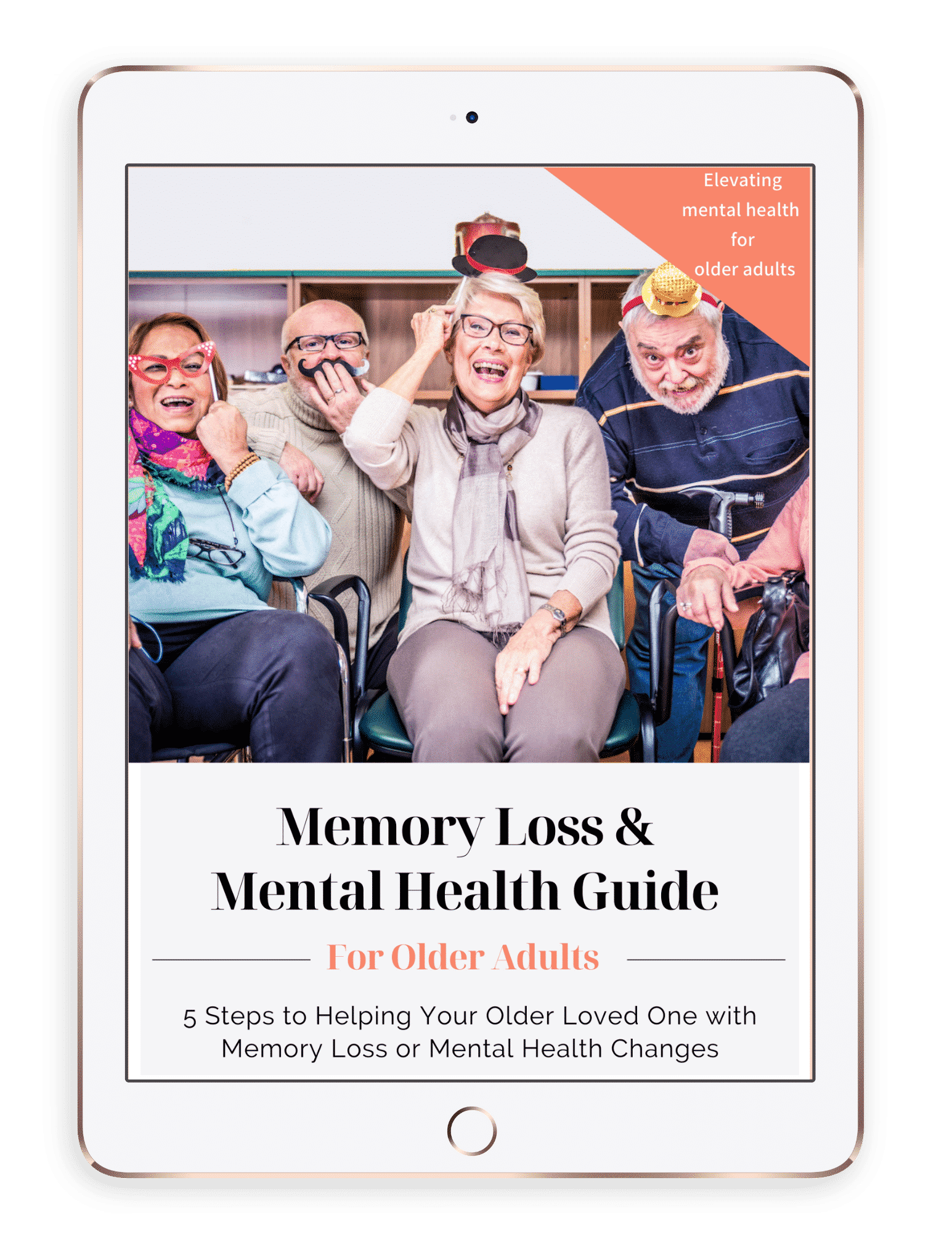

You may still remember the exact words the clinician used.
“Dementia.”
“Alzheimer’s disease.”
“Probable Lewy body dementia.”
For many families, everything after that becomes a blur. The fear is real. The uncertainty is real. And so is this: there are clear, concrete steps you can take to support your loved one and yourself, starting now.
For more than 20 years, the families I work with who seem to do “best” are not the ones who got a perfect diagnosis or a perfect care plan. They’re the ones who did not face this alone, who asked questions, and who allowed others to walk alongside them.
In this article, you’ll find:
- What a dementia diagnosis actually means
- The first conversations to have with your loved one and family
- How to build a medical and support team
- Practical steps to organize legal, medical, and financial documents
- Ways to protect your loved one’s safety, independence, and dignity
- Resources to support you as a caregiver
What a Dementia Diagnosis Really Means
“Dementia” is a general term for changes in memory, thinking, and daily functioning caused by conditions such as Alzheimer’s disease, vascular dementia, Lewy body dementia, or frontotemporal dementia. Getting clear on which type your loved one has — and how mild or advanced it is — helps you anticipate what to expect and identify the most appropriate treatments and supports.
If you haven’t already, ask the clinician for:
- A written summary of the diagnosis
- A list of current medications
- Recommendations for follow-up and treatment
This gives you something to refer back to when the appointment fog lifts and questions come up later.
Early on, many people with dementia can still drive, work, volunteer, and handle most daily activities, even while noticing changes in memory or problem-solving. Learning about the condition early can reduce anxiety, improve coping, and help your loved one stay independent longer.
The National Institute on Aging (NIA) offers clear, evidence-based overviews of Alzheimer’s and related dementias, including fact sheets and videos.
Key resources for understanding your loved one’s diagnosis:
- NIA’s Alzheimer’s and dementia information hub — evidence-based articles on types, symptoms, and treatments
- Alzheimer’s Association “You Are Not Alone” guide — planning checklists and coping tips for the newly diagnosed
- Alzheimer’s Society (UK) “Newly diagnosed with dementia” — practical, person-centered guidance useful well beyond the UK
As you think about your own loved one, what parts of the diagnosis feel the most confusing or scary right now?
Start With One Honest Conversation
Many families wait to talk until there’s a crisis. That’s understandable, but it often makes everything harder. Starting conversations sooner gives your loved one more say in their own life and gives you time to plan together.
A first conversation might sound like:
- “I was reading a bit about how I can be most supportive to you as you get older. Can we talk about that?”
- “This might be several years down the road, but I wanted to check in to see if you’ve thought about who you’d like to help you with medical and financial decisions, if that time comes.”
A few tips for these early talks:
- Start with one topic (for example, driving, medical decisions, or where they’d like to live as they get older).
- Expect emotions — from your loved one and from yourself — and make space for them instead of rushing to solutions.
- If the conversation gets heated, take a break and return to it another day. These will be a series of conversations, not a single “big talk.”
Family Therapy with a Professional who specializes with older adults and caregiving dynamics can be very helpful. Click here to find a therapist with this specialty.
Talk With Family and Share the Load
Dementia affects the whole family system, not just one person. When possible, bring family members together (virtually or in person) to talk about your loved one’s needs and how to share responsibilities.
You might:
- Call a family meeting before there’s a crisis.
- List everything that needs to be done: who will accompany your loved one to the doctor, who will help with meals and errands, who will assist with finances, and so on.
- Match tasks to each person’s strengths and limits — the relative who’s good with paperwork might help with finances, while the person who loves cooking might help with meals.
Each family member will have their own boundaries related to caregiving, and these might change over time. Respecting those boundaries helps prevent resentment and burnout and gives you clearer information about when additional paid or community support may be needed.
Gather the Paperwork That Will Protect Your Loved One
This part can feel tedious, but it is one of the most powerful ways to protect your loved one’s wishes and reduce future crises.
Legal documents to locate
Ask your loved one, when possible, to gather and share:
- Living Will / Advance Directives
- Durable Power of Attorney for Finances (DPOA/POA)
- Durable Power of Attorney for Healthcare (DPOA-HC)
- Last Will and Testament
- Pre-arranged funeral plans
- Social Security card, driver’s license or government ID
- Passports, birth certificate, marriage certificate, divorce documents
- Immigration, residency, or citizenship documents
- Military records (DD-214)
- Trusts and the contact information for their attorney
We’ve put together an essential documents workbook to help you get organized. Learn more here:

If you need legal assistance in your loved one’s community, you can search the Eldercare Locator to find the local Area Agency on Aging, then ask for referrals to elder law attorneys and legal aid services:
Medical, insurance, and financial documents
It also helps to organize:
- Medical history record
- List of providers’ names and contact information
- Current medication list and pharmacy contact information
- Insurance cards (private insurance, Medicare, Medicaid, prescription coverage, dental, vision, long-term care insurance)
- Financial information (monthly income and expenses, savings and retirement accounts such as 401(k)s/IRAs, Social Security, disability, pensions, veterans benefits)
Having these gathered now makes it easier to advocate for your loved one, apply for benefits, and respond quickly when health or care needs change.
Build a Medical and Support Team (You Don’t Have to Do This Alone)
You don’t have to do this alone — and you shouldn’t. A strong care team and support network are consistently associated with better quality of life and less distress for people living with dementia.
A core care team often includes:
- Primary care clinician
- Memory specialist (neurologist, geriatric psychiatrist, or geriatrician)
- Allied professionals like social workers, occupational therapists, and psychologists
Together, this team can address medical treatment, mood changes, safety, driving, and daily function — and connect you to community services like adult day programs, home care, and visiting nurses.
Psychological support matters as much as medical care. Clinical guidelines recommend support groups, counseling, and peer connection for people in the early stages of dementia. These supports reduce depression and help people adapt to their diagnosis.
Key resources for care and support:
- Alzheimer’s Association 24/7 Helpline (U.S.): 800-272-3900 — information, crisis support, and local referrals. alz.org/help-support/resources
- Alzheimer’s Association Community Resource Finder — searchable database for memory clinics, support groups, and local services
- ALZConnected — online community for people living with dementia and care partners
- Dementia Alliance International – Founded by people with dementia for people with dementia.
- Local Area Agency on Aging — connects you to local Area Agencies on Aging and dementia-specific programs
- Center for Mental Health + Aging Therapist Directory: Looking for a therapist who understands dementia? Find a Therapist who specializes with older adults in our National therapist directory.
Caregiver Specific Support:
- Caregiver Action Networker – offer resources, education, and support groups for all types of conditions
- Family CAregiver Alliance – offering guidance, support, and resources to family caregivers.
Help Your Loved One Live as Well as Possible, Now
Living with dementia is not just about loss; it is also about adapting daily life so that your loved one can stay as independent and engaged as possible for as long as possible.
Research is clear that certain lifestyle strategies help people with dementia maintain function and quality of life longer — especially when started early.
They include:
- Regular physical activity
- A heart-healthy (Mediterranean-style) diet
- Cognitive and social engagement
- Consistent sleep routines
- Treatment for depression, anxiety, and substance use disorders
- Stress management
Large studies show that exercise can improve strength, balance, cardiovascular health, and even thinking abilities in people with cognitive impairment.
On a practical, everyday level:
- Keep a calendar or planner.
- Simplify routines.
- Use reminders for medications and appointments.
- If your loved one lives alone, identify trusted friends or family members who can check in regularly and consider sharing the diagnosis with trusted neighbors.
Planning for driving evaluations, home safety (fall prevention), medication management, and emergency plans is part of maintaining independence as long as possible. That’s not giving independence up. That’s protecting it.
Key resources for health and daily living:
- “What Can I Do To Keep My Brain Healthy – Get answers from the Global Council on Brain Health
- NIA: “Tips for Living Alone with Early-Stage Dementia” — practical safety and independence strategies
- Mayo Clinic dementia care guidance — day-to-day routines, communication, and managing behavioral changes
- Alzheimer’s Association early-stage living well tips — exercise, nutrition, social activity, and routine
Your Loved One’s Mental Health Matters – So Does Yours
A dementia diagnosis doesn’t only affect memory. It affects your loved one’s sense of self, their relationships, and their vision of the future. The psychological adjustment to living with a dementia disorder is real and significant, and it deserves just as much attention as the medical side of care.
Depression and anxiety are among the most common symptoms of dementia — not just reactions to it. Left untreated, they reduce quality of life and may accelerate cognitive decline.
Adjusting to a new diagnosis is hard, and for some people, the emotional weight of that adjustment increases risk for suicide. If you or someone you love is having more thoughts about ending their life, please reach out — in the U.S., call or text 988 for the Suicide & Crisis Lifeline anytime.
Mental health treatment isn’t a luxury here. It’s part of your loved one’s care, and part of yours.
If you’re looking for a therapist who understands dementia and aging, the Center for Mental Health & Aging National Therapist Directory connects you with clinicians who specialize in working with older adults and caregivers.
Explore Current and Future Living Options
As dementia progresses, care needs often change. Understanding different living environments ahead of time can prevent rushed decisions during crises.
Common options include:
- Staying in one’s own home (“aging in place”), sometimes with added support like meal delivery (for example, Meals on Wheels) or home health assistance from a few hours a week to 24/7.
- Living in a family member’s home.
- Independent senior living communities (apartments, cottages, condos for older adults who are mostly independent).
- Personal care homes/board-and-care homes — smaller, home-like environments, often a more affordable alternative to assisted living.
- Assisted living communities, which offer apartment-style living with help for daily needs and medication administration.
- Memory care communities or units — often within larger long-term care communities and designed specifically for people living with dementia disorders.
- Nursing homes/skilled nursing facilities — for people who need a high level of nursing care and assistance with daily activities. Medicare may cover some of the care provided here.
To learn more about options and what’s available in your area:
- Eldercare Locator (to find your local Area Agency on Aging):
https://eldercare.acl.gov - Alzheimer’s Association Community Resource Finder (for dementia-specific programs and residential options)
Take Your Own Well-Being Seriously
As you get started caring for your loved one, please remember that your own care is just as important as your loved one’s care. The sooner you get into the practice of caring for yourself in your caregiving journey, the easier it will be to make it part of your lifestyle and not simply an afterthought.
Helpful caregiver practices include:
- Valuing yourself — showing yourself loving-kindness and compassion.
- Identifying when you’re stressed and taking a break before you burn out.
- Scheduling regular breaks from caregiving — being proactive instead of waiting until you’re overwhelmed.
- Spending time with friends who lift you up.
- Caring for your physical health by eating healthy foods, exercising, and making time for your own medical care.
- Caring for your mental health by talking to a trusted friend or making an appointment with a therapist.
- Meditating, praying, or journaling.
- Setting healthy boundaries by saying no when you are taking on too many responsibilities.
Get Connected to Organizations and Support
When your loved one is going through complex medical problems, it can help to educate yourself and connect with organizations and support groups that specialize in their condition. For dementia and related conditions, here are some key organizations:
Dementia
- Alzheimer’s Association
- Lewy Body Dementia Association
- Dementia Friendly America:
- Dementia Alliance International
Other common conditions
- American Parkinson Disease Association
- Parkinson’s Foundation
- American Stroke Association
- American Heart Association
- American Diabetes Association
You can also search for disease-specific organizations related to your loved one’s conditions — many offer education, support groups, helplines, and care navigation.
You Are Not Alone
If your loved one was just diagnosed with dementia and you feel overwhelmed, that does not mean you’re doing this wrong. It means you’re human.
Here are a few “next steps” you might take today:
- Write down your top three questions about your loved one’s diagnosis and bring them to the next medical appointment.
- Share the diagnosis with one trusted person and ask for one specific kind of help.
- Choose one resource from this article to explore for 10–15 minutes.
With so much care for you and your family as you navigate this.
There is an entire community of people who have received this same diagnosis, who are loving someone with dementia, and who have found their way to support, connection, and even moments of joy after the initial shock. You do not have to figure this out by yourself.
Professionals: Get Training to Provide Therapy Across the Stages of Dementia.
If you’re a professional and you want to deepen your work with people living with dementia and their families, take my 6-hour CEU training on this very topic.
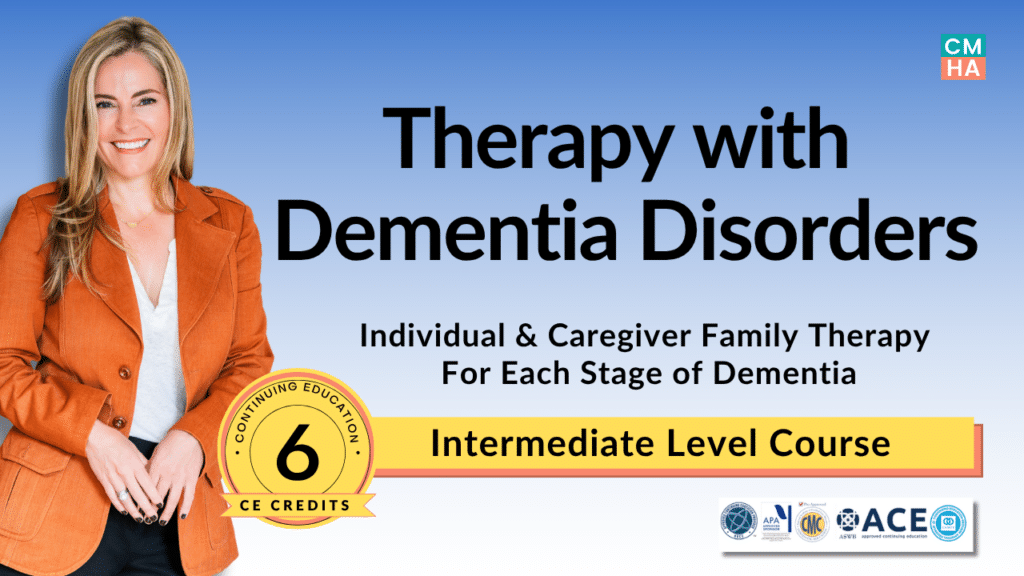
Therapy with Dementia Disorders: Individual Therapy + Caregiver Family Therapy for Every Stage of the Dementia Journey
Learn individual therapy and caregiver family therapy for people living with dementia and their family across the stages of dementia.
Build clinical skills for every stage of the dementia journey — from early memory loss and mild cognitive impairment to moderate dementia through advanced stages and end of life.
Learn more here
Related Articles
- How to Talk With Your Siblings About Aging Parent’s Care
- Help for Caregiver Guilt with Nursing Home Placement
- Managing Caregiver Guilt and Shame about Moving Aging Parent to Assisted Living
- Deception, Relocation, and Dementia Care: Is it Ok to Lie to a Person About Moving To Memory Care?
- 6 Role Transitions Along the Caregiver’s Journey
- Supporting People with Dementia Who Live Alone: Must Have Resources
- Suicide Risk After Dementia: Why the First Months Are Most Dangerous