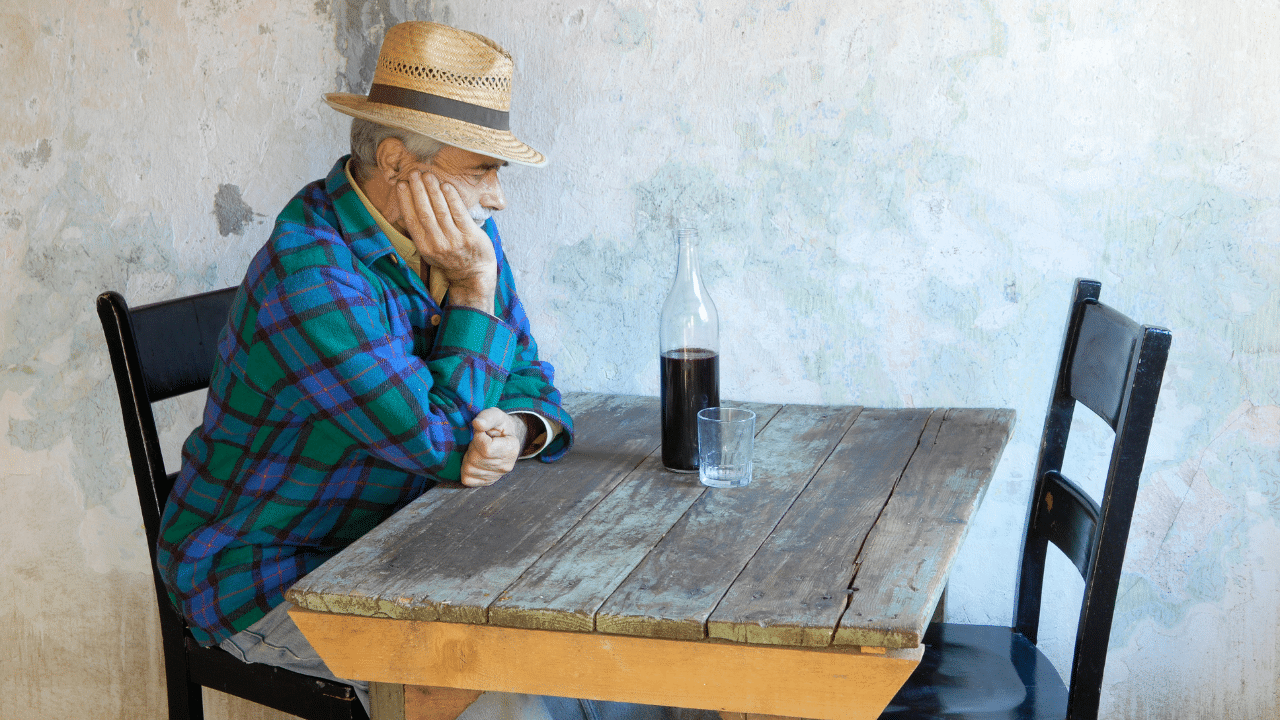
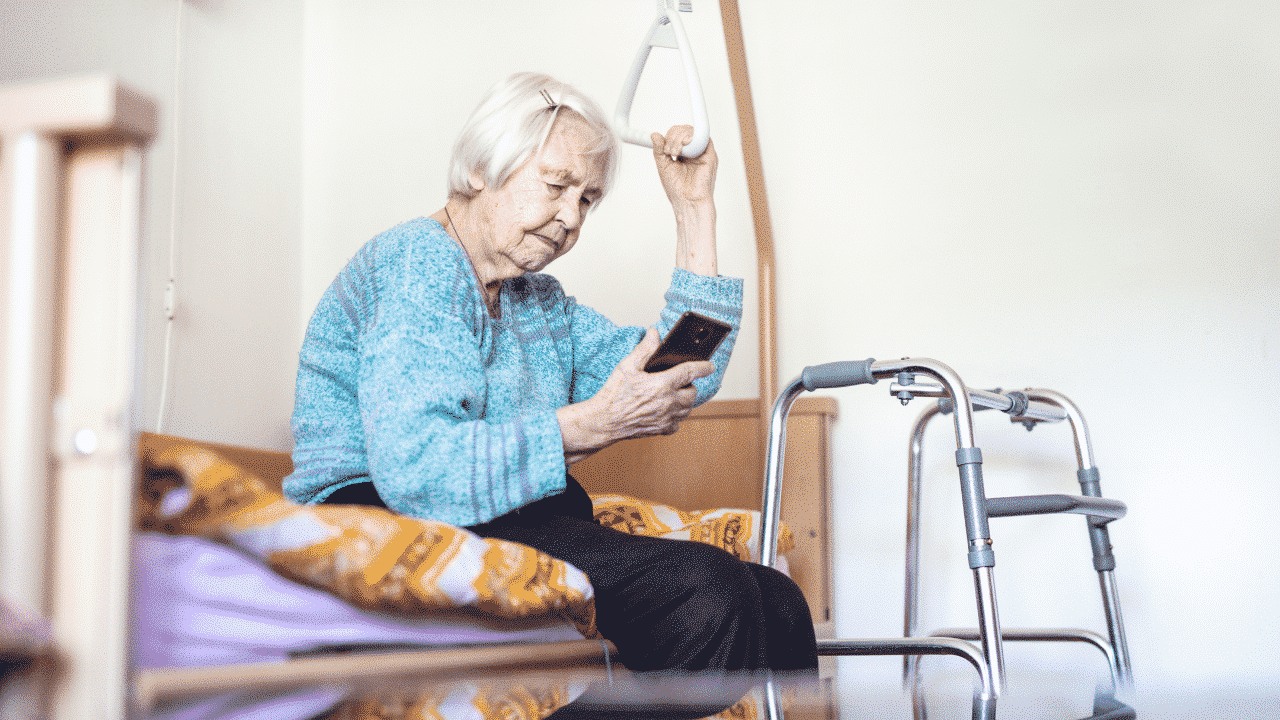
Are older adults really lonelier than young people?
You might be surprised by the answer. In this episode of The Psychology of Aging, we uncover the complex truth about loneliness and isolation in older adults—and why their impact is far more dangerous than many realize.
You’ll learn the critical difference between loneliness and social isolation, how they each affect caregivers and people living with dementia, and why the consequences can be as severe as smoking, drinking, or living with obesity.
But we won’t stop there.
You’ll also discover the revolutionary power of “social prescribing”—a compassionate, connection-first approach to well-being that’s gaining momentum in healthcare. You’ll hear about a small-town doctor writing prescriptions for coffee and community… and how you can do the same in your own clinical practice.
Whether you’re a psychologist, therapist, social worker, or aging services professional, this episode will inspire you to screen, connect, and prescribe belonging.
What You’ll Learn in This Episode:
-
Why older adults may have lower rates of isolation and loneliness than younger adults—but suffer more from its effects
-
The difference between loneliness and isolation
-
Startling statistics: loneliness increases risk for dementia, heart disease, stroke, and depression
-
Why quality of social ties matters more than quantity
-
The role of social prescribing: how to refer clients to connection—not just care
-
Creative ideas for connection, including book clubs, walking groups, and even coffee shops
-
Two screening tools for loneliness and isolation to use in your practice
“Social prescribing connects a person to what matters to them—not just what’s the matter with them.”– Julia Hotz, Generations Magazine
Resources Mentioned:
-
Madison Mercantile Website – Example of Social Prescribing in Action
-
5 Books for Addressing Loneliness & Isolation with Older Clients
References
- Allen, K. A., Kern, M. L., Rozek, C. S., McInereney, D., & Slavich, G. M. (2021). Belonging: A Review of Conceptual Issues, an Integrative Framework, and Directions for Future Research. Australian journal of psychology, 73(1), 87–102. https://doi.org/10.1080/00049530.2021.1883409
- Carragher, L., & Ryan, C. (2020). Dying to Belong: The Importance of Familiarity in Later Life. Gerontology & geriatric medicine, 6, 2333721420941976. https://doi.org/10.1177/2333721420941976
- Holt-Lunstad, J., Smith, T. B., & Layton, J. B. (2010). Social relationships and mortality risk: a meta-analytic review. PLoS medicine, 7(7), e1000316. https://doi.org/10.1371/journal.pmed.1000316
- Hughes, M. E., Waite, L. J., Hawkley, L. C., & Cacioppo, J. T. (2004). A Short Scale for Measuring Loneliness in Large Surveys: Results From Two Population-Based Studies. Research on aging, 26(6), 655–672. https://doi.org/10.1177/0164027504268574
- James, B. D., Wilson, R. S., Barnes, L. L., & Bennett, D. A. (2011). Late-life social activity and cognitive decline in old age. Journal of the International Neuropsychological Society : JINS, 17(6), 998–1005. https://doi.org/10.1017/S1355617711000531
- Livingston, G., Huntley, J., Liu, K. Y., Costafreda, S. G., Selbæk, G., Alladi, S., Ames, D., Banerjee, S., Burns, A., Brayne, C., Fox, N. C., Ferri, C. P., Gitlin, L. N., Howard, R., Kales, H. C., Kivimäki, M., Larson, E. B., Nakasujja, N., Rockwood, K., Samus, Q., … Mukadam, N. (2024). Dementia prevention, intervention, and care: 2024 report of the Lancet standing Commission. Lancet (London, England), 404(10452), 572–628. https://doi.org/10.1016/S0140-6736(24)01296-0
- Luchetti, M., Aschwanden, D., Sesker, A.A. et al. A meta-analysis of loneliness and risk of dementia using longitudinal data from >600,000 individuals. Nat. Mental Health 2, 1350–1361 (2024). https://lnkd.in/gXpHqZkn
- National Academies of Sciences, Engineering, and Medicine; Division of Behavioral and Social Sciences and Education; Health and Medicine Division; Board on Behavioral, Cognitive, and Sensory Sciences; Board on Health Sciences Policy; Committee on the Health and Medical Dimensions of Social Isolation and Loneliness in Older Adults. (2020, February 27). Social isolation and loneliness in older adults: Opportunities for the health care system. National Academies Press (US). Available from: https://www.ncbi.nlm.nih.gov/books/NBK557972/
- National Academies of Sciences, Engineering, and Medicine. 2020. Social Isolation and Loneliness in Older Adults: Opportunities for the Health Care System. Washington, DC: The National Academies Press. https://doi.org/10.17226/25663

Dr. Regina Koepp is a board certified clinical psychologist, clinical geropsychologist, and founder and CEO of the Center for Mental Health & Aging: the “go to” place for mental health and aging. Dr. Koepp is a sought after speaker on the topics of mental health and aging, caregiving, ageism, resilience, intimacy in the context of life altering Illness, and dementia and sexual expression. Dr. Koepp is on a mission to ensure mental health and belonging for older adults, because every person at every age is worthy of healing, transformation, and love. Learn more about Dr. Regina Koepp here.
Regina Koepp, PsyD, ABPP































Want More? Listen to Our Most Recent Episodes


Older adults deserve high quality mental health care.
Therapists deserve the training to provide that care.