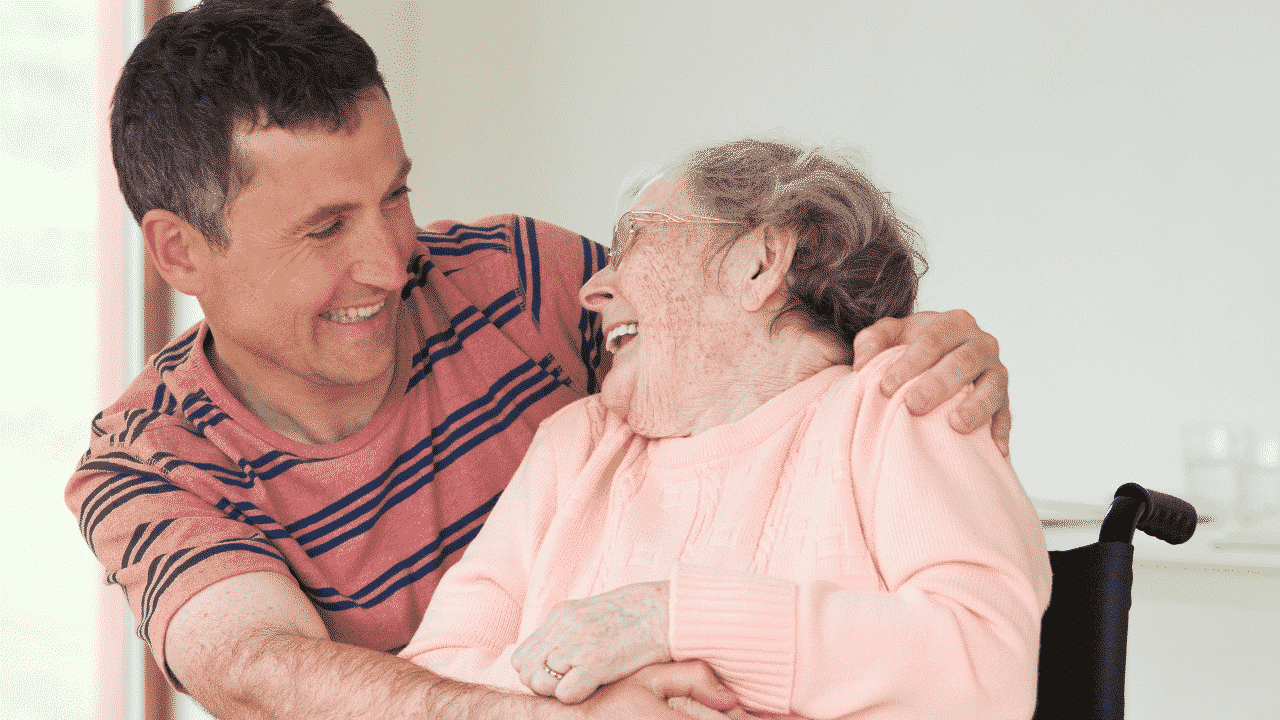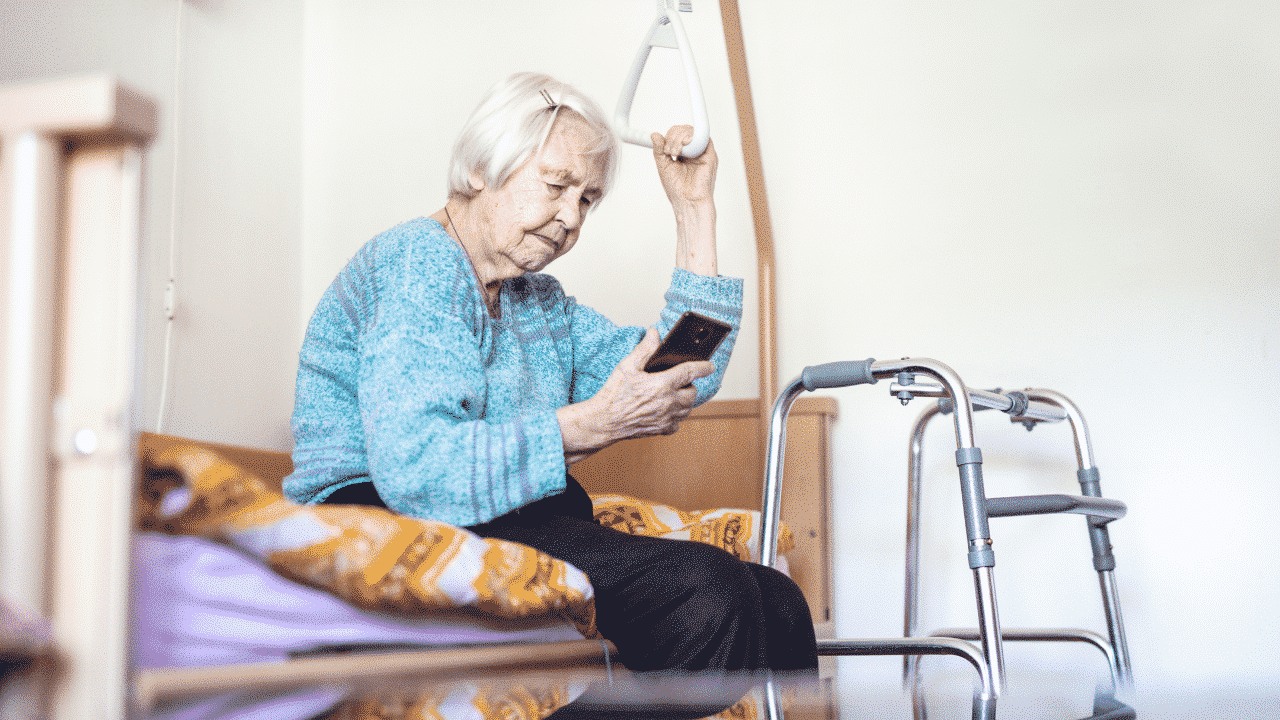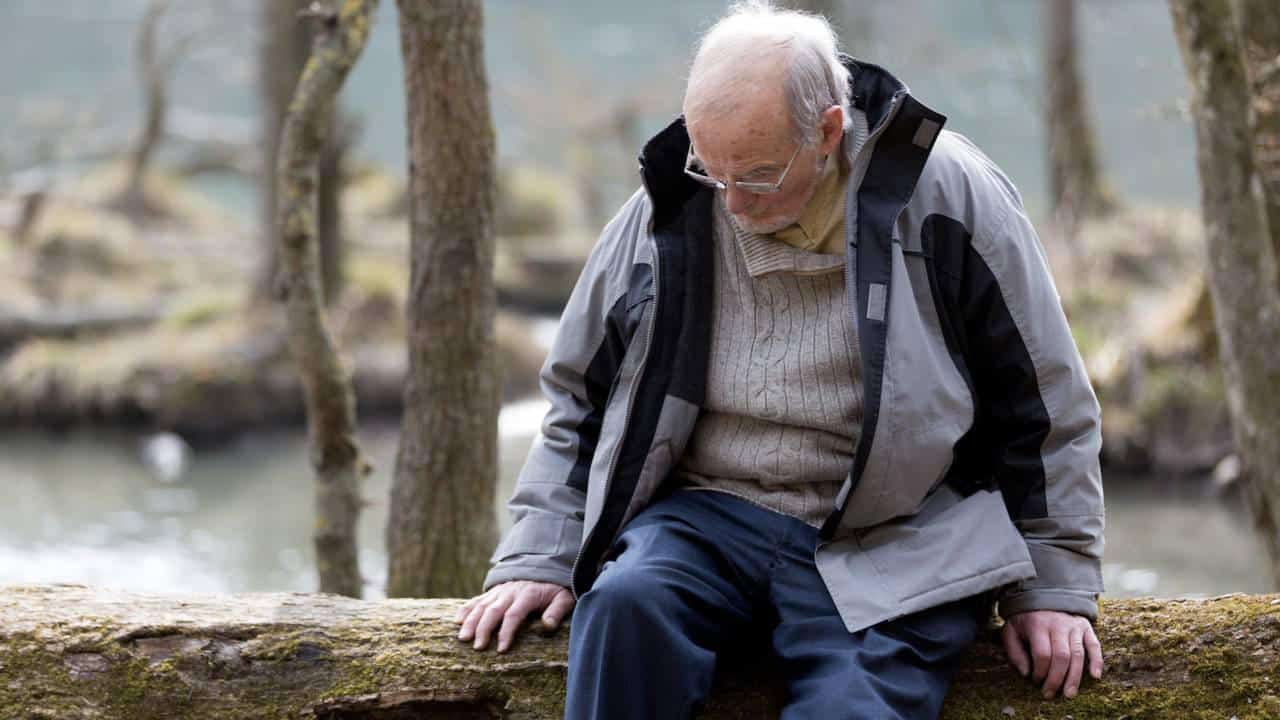
Our attitudes about sexuality & aging may influence an older adults’ sexual health.

Researchers¹ have found that sex among older adults is often viewed as stereotypically “shameful, disgusting, laughable, and nonexistent”, which can lead to internalized stigma and increased sexual problems for older adults. To date, much of the research on aging sexuality issues has been conducted with healthcare providers who serve an aging population, including long-term care staff, and have found mixed results on permissive versus restrictive attitudes of staff.  Current research¹ and healthcare policies also suggest that aging stigma is present within healthcare institutions where aging sexual concerns are often underreported, ignored, and left untreated.

In fact, a recent survey² of more than 1,000 adults between 65-80 years old, found that 50.9% of men and 30.8% of women reported being sexually active. In this same survey, when it came to discussing sexual health with health care providers, however, only 17.3% of adults aged 65–80 reported speaking to their health care provider about sexual health in the past two years and of those, the vast majority (60.5%) initiated the conversation².

On the contrary, research conducted in community samples of older adults¹, are finding that sexual stigma beliefs may NOT be as prevalent among the general population as cohorts become more sexually liberal over time. For example, as the Baby Boomers move into older adulthood and replace previous generations, they bring a more sexually liberal belief system that also places a higher importance on sexual well-being¹

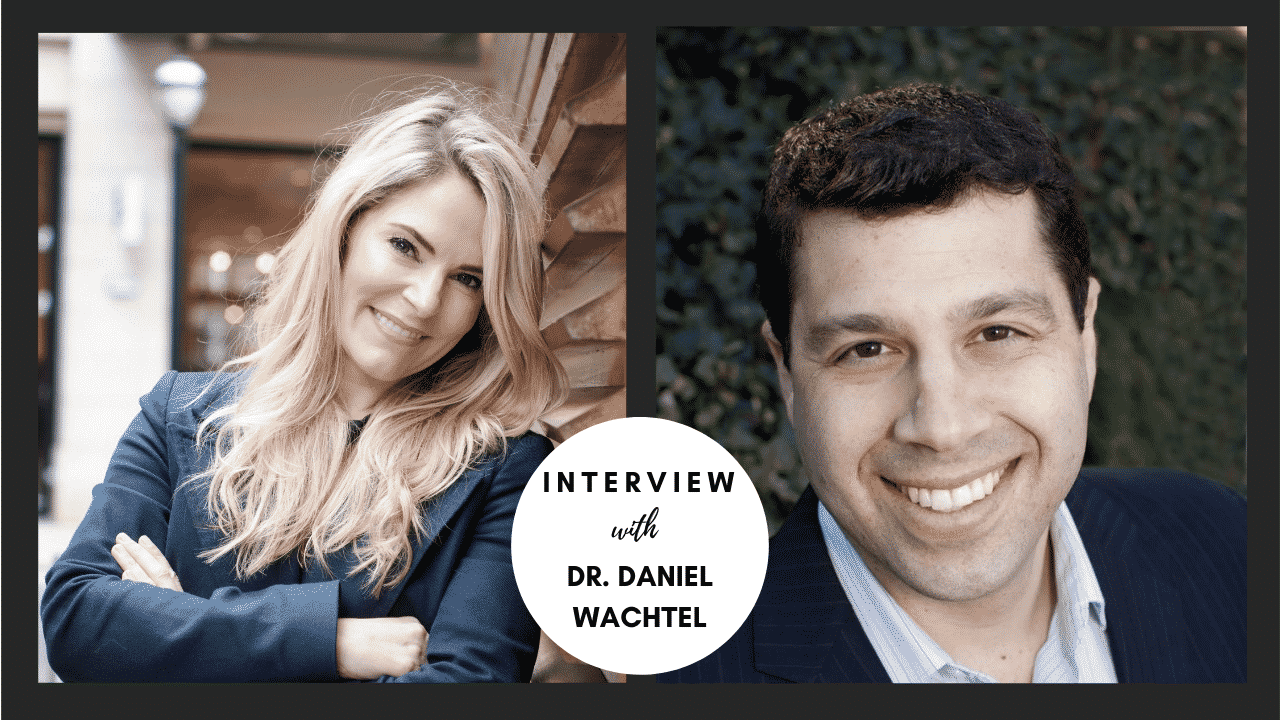
So, in an effort to help mental health, senior care, and health care providers reflect on our own values and attitudes, I interview sexual health and aging expert, Dr. Maggie Syme.

In this interview Dr. Maggie Syme and I discuss:

  • What it means to be a sexual citizen
  • Attitudes about sexuality and aging
  • Current research on intimacy and aging
  • Benefits of sexuality and intimacy in older adulthood
  • Dementia and sexual expression
  • What sexual liberation looks like for older adults

Related Episodes:


 [templatera id=1742]


References & Articles Mentioned in Episode

  • ¹Syme, M. L., & Cohn, T. J. (2016). Examining aging sexual stigma attitudes among adults by gender, age, and generational status. Aging & mental health20(1), 36–45. https://doi.org/10.1080/13607863.2015.1012044
  • Allison G. Smith, Shoshana H. Bardach, Justin M. Barber, Andrea Williams, Elizabeth K. Rhodus, Kelly K. Parsons & Gregory A. Jicha (2021) Associations of Future Cognitive Decline with Sexual Satisfaction among Married Older Adults, Clinical Gerontologist, 44:3, 345-353, DOI: 10.1080/07317115.2021.1887420
  • Hillman, J. (2017). Sexual consent capacity: Ethical issues and challenges in long-term care. Clinical Gerontologist: The Journal of Aging and Mental Health, 40(1), 43–50. https://doi.org/10.1080/07317115.2016.1185488
  • Henry Rayhons Case: https://www.nytimes.com/2015/04/14/health/sex-dementia-and-a-husband-henry-rayhons-on-trial-at-age-78.html
  • Hebrew Home Life: Sexual Health policy: https://ltcombudsman.org/uploads/files/issues/Sexual_Expression_PP-Hebrew_Home.pdf


Continuing Education Requirements

This program is available for continuing education (CE) credit after the following steps have been successfully completed:


Step 1: Attend 100% of the course. Attendance is tracked via the online platform.

Step 2: Successfully pass the course post-test

Step 3: Complete the Course Program Evaluation

Step 4: Complete Attestation

Step 5: Download Your Certificate


Certificates of completion will be emailed immediately following submission of electronic survey and also available for download in the course platform. It’s that simple!

Important Details

Regina Koepp, PsyD, ABPP is founder and owner of the Center for Mental Health & Aging (CMHA) and Co-Director of the CMHA CE Training Program. The CMHA CE Training Advisory Committee independently reviews Dr. Koepp’s CE presentations to ensure that Dr. Koepp’s presentations meet the APA CE program requirements. Apart from this, there is no known commercial support or conflict of interest for this CE program, content, sponsor, or instructor.

CMHA will respond to grievances in a reasonable, ethical, and timely manner. Grievances may be submitted by course participants in writing to [email protected]. CMHA’s complete Grievance Procedure, will be provided upon request. You may request Grievance Procedure by emailing [email protected].

Center for Mental Health & Aging is committed to accessibility and non-discrimination in continuing education activities and will conduct all activities in conformity with the American Psychological Association’s Ethical Principles for Psychologists. If participants have special needs, reasonable efforts will be made to accommodate them. Please contact [email protected] with questions, concerns or to request special accommodations.

Unfortunately, we cannot issue refunds for On-Demand (Asynchronous) courses due to the fact that once purchased, the participant has access immediately to all materials. Refunds will also not be issued due to technical limitations of the participant. We provide detailed instructions, and we are happy to assist in this area to a reasonable extent; however, we don’t have the staff to guide you through every step of the process.


ALL “live” workshop refunds will be honored for cancellations received at least five (5) days prior to the date of a live webinar or live workshop. Please note that payments made via Credit Card have certain fees associated with them, some of which are non-recoupable and are therefore non-refundable by Center for Mental Health & Aging. Therefore, all workshop payments made by Credit Card will have a three percent (3%) credit card fee deducted from the refund. These fees do not apply to cash or check payments. Should you have any questions regarding our workshop refund policy, please contact [email protected].

This is a non-interactive pre-recorded audio course.  The following system requirements will 

  • Operating Systems: Windows XP or higher, MacOS 9 or higher, Android 4.0 or higher
  • Internet Browser: Internet Explorer 9.0 or higher, Google Chrome, Firefox 10.0 or higher
  • Broadband Internet connection: Cable, High-speed DSL & any other medium that is internet accessible.

For questions or concerns, please contact [email protected] with questions, concerns or to request special accommodations.

Participants: Podcast CE Courses are open to all Psychologists, Social Workers, Therapists, Geriatric Care Managers and other interested mental health and senior care professionals. 

[render_podcast_player]
Loading Transcript...
Dr. Regina Koepp is a board certified clinical psychologist, clinical geropsychologist, and founder and CEO of the Center for Mental Health & Aging: the “go to” place for mental health and aging. Dr. Koepp is a sought after speaker on the topics of mental health and aging, caregiving, ageism, resilience, intimacy in the context of life altering Illness, and dementia and sexual expression. Dr. Koepp is on a mission to ensure mental health and belonging for older adults, because every person at every age is worthy of healing, transformation, and love. Learn more about Dr. Regina Koepp here.

Regina Koepp, PsyD, ABPP

Share This Post

CEUs for psychologists, counselors, social workers, therapists, LMFTs, Aging Life Care Professionals, and more.

Take One of Our Top Rated CEU Courses

Find a therapist who specializes with older adults and caregivers from our nationwide therapist directory.

Find a Therapist

browse ce coursesfind a THERAPIST

Older adults deserve high quality mental health care.

Therapists deserve the training to provide that care.

Download your free Clinician’s Guide to Working with Older Adults

Free Guide