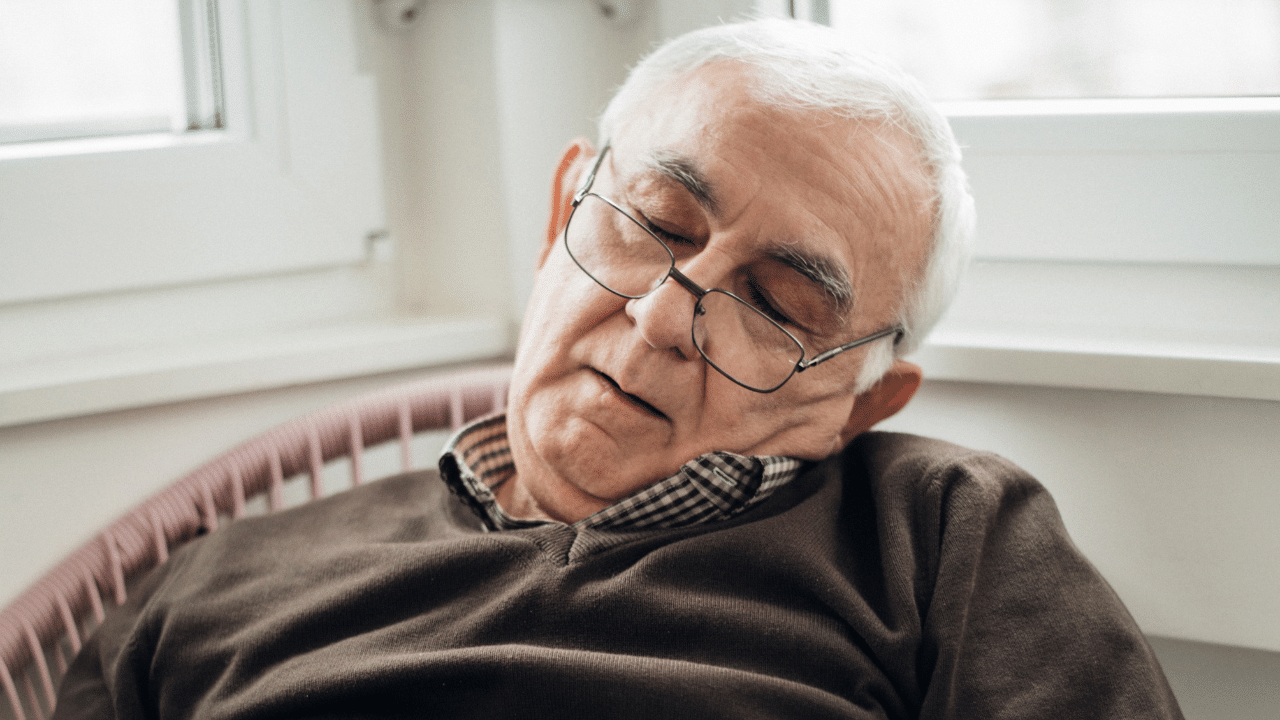
Last week, a therapist told me about her client, an 82-year-old woman who hadn’t had more than 6 hours of sleep in years. “It’s just part of getting older,” the woman sighed. But here’s the truth—fatigue isn’t a normal part of aging, and chronic sleep problems may be quietly raising her risk for dementia. As professionals, we can no longer shrug off insomnia in older adults. The stakes are simply too high.
In this episode, I reveal the powerful connection between chronic sleep problems and dementia risk—and why ignoring insomnia symptoms can have lasting consequences for brain health.
Here’s What You’ll Learn In This Episode:
- Why half of older adults report insomnia symptoms (even if they don’t meet full diagnostic criteria)
- How sleep architecture changes with age—and why that’s not the same as insomnia
- The role of deep sleep in clearing beta amyloid, consolidating memory, and regulating emotions
- Three major research studies linking short sleep duration to higher dementia risk
- Five practical steps you can take to assess and improve sleep in older adults
- Why Cognitive Behavioral Therapy for Insomnia (CBT-I) is the gold standard, especially for people 65+
- The dangers of common over-the-counter sleep aids for older adults
- How collaborating with primary care and sleep medicine providers can change outcomes
As professionals, we hold the keys to better brain health in aging—often starting with something as simple, yet essential, as quality sleep.
Remember…
It’s only with your help that we can meet the mental health needs of older adults. So thank you for being here—and thank you for doing your part.
Related Resources
- Article: Sleep Tips for Older Adults
Subscribe and Leave a Review
If you enjoyed this episode, please subscribe, leave a review, and share it with a colleague or friend. Together, we’re building a movement for mental health and aging. Because there is no expiration date on healing, transformation, and growth.
References
- Ferini-Strambi L. (2022). Sleep disorders and increased risk of dementia. European journal of neurology, 29(12), 3484–3485. https://doi.org/10.1111/ene.15562
- Sabia, S., Fayosse, A., Dumurgier, J. et al. Association of sleep duration in middle and old age with incidence of dementia. Nat Commun 12, 2289 (2021). https://doi.org/10.1038/s41467-021-22354-2
- Tan, X., Åkerstedt, T., Lagerros, Y. T., Åkerstedt, A. M., Bellocco, R., Adami, H. O., Ye, W., Pei, J. J., & Wang, H. X. (2023). Interactive association between insomnia symptoms and sleep duration for the risk of dementia-a prospective study in the Swedish National March Cohort. Age and ageing, 52(9), afad163. https://doi.org/10.1093/ageing/afad163
- Wong, R., et al. (2023). Sleep disturbances and dementia risk in older adults: Findings from 10 years of national U.S. prospective data. American Journal of Preventive Medicine, 64(6), 781–787.

Dr. Regina Koepp is a board certified clinical psychologist, clinical geropsychologist, and founder and CEO of the Center for Mental Health & Aging: the “go to” place for mental health and aging. Dr. Koepp is a sought after speaker on the topics of mental health and aging, caregiving, ageism, resilience, intimacy in the context of life altering Illness, and dementia and sexual expression. Dr. Koepp is on a mission to ensure mental health and belonging for older adults, because every person at every age is worthy of healing, transformation, and love. Learn more about Dr. Regina Koepp here.
Regina Koepp, PsyD, ABPP































































Want More? Listen to Our Most Recent Episodes


Older adults deserve high quality mental health care.
Therapists deserve the training to provide that care.