
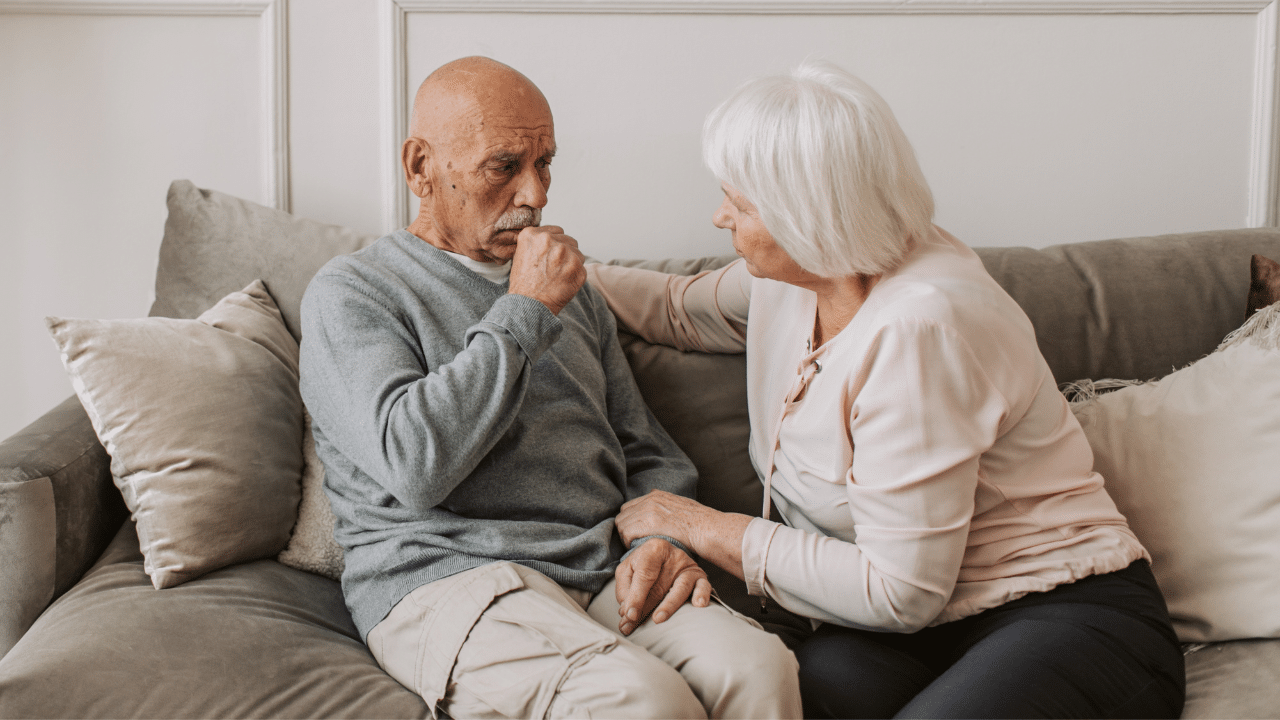
A family member calls asking you to see their older loved one who’s living with dementia.
In psychotherapy with adults, that call raises red flags. Who is the client? Who holds the decision-making authority? Where do the boundaries fall?
But with older adults navigating life-altering conditions like dementia, a family systems approach isn’t a one-time exception — it’s often the recommended standard of care.
The problem is, most of us weren’t trained for this.
Graduate programs in psychology, social work, and counseling rarely include dedicated coursework on geropsychology, let alone on working clinically with families affected by dementia. So when the call comes in — and it will — many clinicians I train and consult with feel underprepared. They’re not sure how to think about the clinical picture, who to include in sessions, or how to structure the work.
That’s exactly where Caregiver Family Therapy comes in.
What Is Caregiver Family Therapy?
Caregiver Family Therapy (CFT) is a structured, systems-based approach to working with families navigating chronic illness, disability, and dementia. It was developed by Sara Qualls, PhD, one of the leading figures in geropsychology, and described in her foundational text:
Qualls, S. H., & Williams, A. A. (2013). Caregiver Family Therapy: Empowering Families to Meet the Challenges of Aging. American Psychological Association.
If you’re doing any clinical work with older adults and their families, this book belongs on your shelf. Qualls and Williams offer the most comprehensive, clinically grounded framework I’ve found for this work.
At its core, CFT views the family as the unit of care — not just the individual patient. It draws on four theoretical foundations that work together:
- Family Systems Theory — what happens between people matters more than what happens within any one person. Relationships drive behavior, and change in one part of the system ripples through the rest.
- Family Development Theory — families move through predictable stages over time. A 60-year-old daughter placing her mother in memory care is having an “on-time” experience. A 28-year-old who just had her first baby doing the same thing is having an “off-time” one — and that timing shapes the emotional complexity of the transition.
- Medical Family Therapy — illness has meaning, and that meaning is shaped by the family’s history, culture, and relational patterns. The family’s experience of illness isn’t just a medical fact; it’s a relational one.
- Multicultural and biopsychosocial models — every family brings its own cultural values, caregiving expectations, and social context. Good family therapy accounts for all of it.
Think of a family as dancers in a perfectly choreographed ballet. When one dancer changes their steps, everyone else has to adjust.
Who Is Caregiver Family Therapy Best Used With?
CFT is most useful when a family is stuck. When they’re struggling to make decisions, when roles are unclear or shifting, when conflict is rising, or when the primary caregiver is burning out. In my experience, it’s particularly valuable with:
- Spousal or partnered caregivers whose relationship roles are shifting from partner/partner to patient/nurse — and who are navigating the grief of that change.
- Adult children who are supporting an aging parent while also managing their own families, jobs, and lives. The “sandwich generation” experience is real, and the role overload can be enormous.
- Families with complex histories — estrangement, abuse, abandonment, secrecy — where the arrival of caregiving pulls old wounds back to the surface.
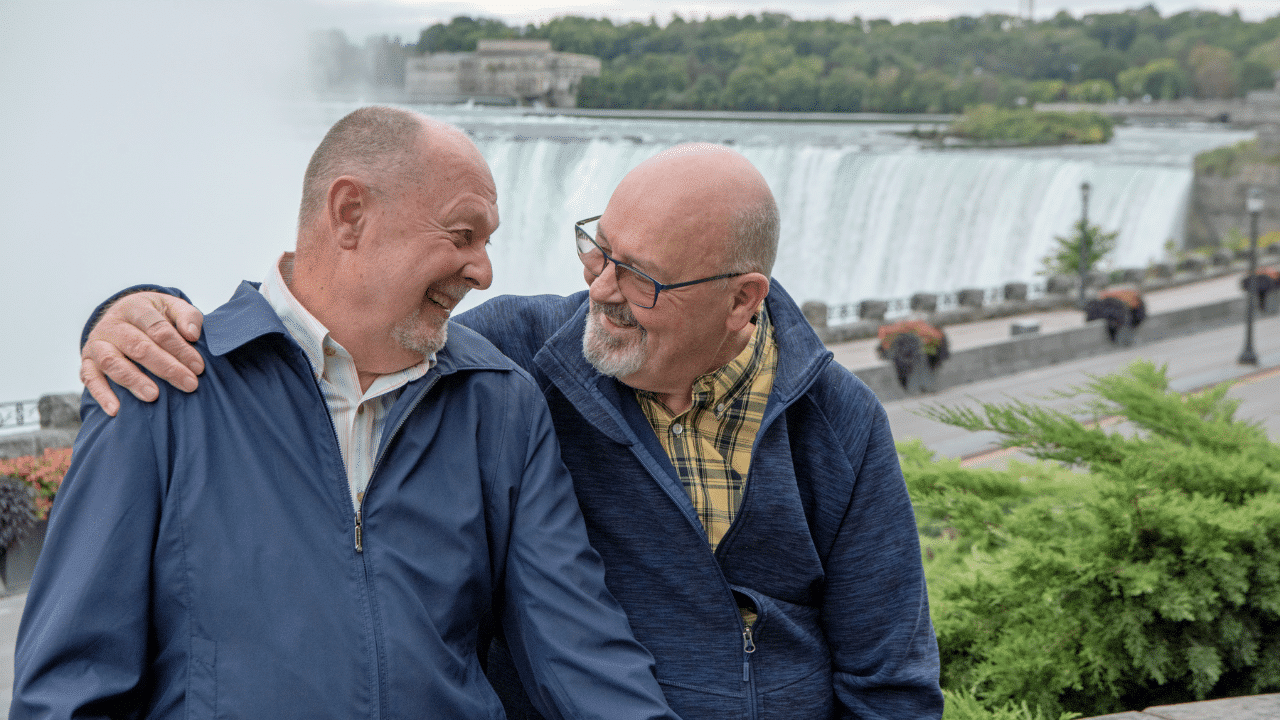
- LGBTQ+ older adults and their families of choice. One in five LGBTQ+ people is currently providing care for another adult, and many rely on chosen families rather than biological ones. CFT must account for those networks.
- Families navigating the final stages of life, where the caregiver’s role shifts from hands-on caregiving to stewarding the relationship — expressing and advocating for a loved one who can no longer speak for themselves.
While CFT applies across the full range of chronic illness and disability, for the purposes of this article we’re going to focus on one of its most important applications: working with families living with dementia.
What Does Caregiver Family Therapy Actually Address?
CFT is organized around six clinical tasks. Think of these as the backbone of the work — and each one maps directly onto what families living with dementia face.
-
Naming and framing the problem
Families are often confused about what dementia is, what it means, and what to expect. Accurate understanding is foundational to good problem-solving. Without it, family members fill in the blanks with fear, denial, blame, uncertainty, and sometimes helplessness.
A family comes in convinced their mother is “being difficult” when she keeps asking the same question every few minutes. Once they understand that repetitive questioning is a symptom of memory loss — not intentional behavior — the whole emotional tone of their caregiving shifts. They stop being frustrated and start being present.
-
Structuring care
Helping families identify needs, navigate the autonomy-versus-safety dilemma, and connect to formal resources. This is where navigating the hard dilemmas comes in: when to take away the car keys, when to bring in home health, when to consider memory care.
An adult daughter knows her father, who has early-stage Alzheimer’s, is still driving but getting lost on familiar routes. She’s terrified to take the keys because she knows he’ll lose his independence — and she worries it will rupture their relationship. CFT helps her weigh the risks, explore alternatives, and have the conversation in a way that honors his dignity.
-
Role structuring
Using tools like the genogram to map the family system: who’s close, who’s cut off, who has historically been the caregiver, and what legacies of illness or estrangement shape the current situation.
A family of three adult siblings is trying to coordinate care for their father with Lewy body dementia. Two live nearby; one lives across the country. Resentment is building. A genogram reveals that this same pattern — one sibling doing more, others less present — played out a generation earlier when their grandmother was ill. Naming that pattern makes it possible to change it.
-
Role reverberations
Caregiving creates overloads (too many roles for one person), traps (feeling like there’s no choice), and strains (relational and internal tension). Therapy helps people name and move through all three.
A woman in her early 60s is simultaneously caring for her husband with vascular dementia, working part-time, raising a grandchild, and trying to maintain her own health. She’s overloaded and feels trapped — she can’t imagine asking for help without feeling like she’s failing. CFT helps her identify which roles are non-negotiable, which can be shared, and what “good enough” looks like.
-
Caregiver self-care
A delicate negotiation between the caregiver’s needs and the care recipient’s needs across physical, psychological, social, and spiritual dimensions. This isn’t about bubble baths. It’s about sustainability.
A husband caring for his wife with moderate Alzheimer’s hasn’t left the house alone in months. He’s stopped seeing friends, stopped exercising, stopped going to temple. He feels guilty doing anything for himself when she needs so much. Therapy helps him see that his own depletion is a clinical risk — for both of them — and builds a realistic plan for getting outside support so he can have some life of his own.
-
Widening the lens
Stepping back to anticipate future transitions before they happen. What’s coming next in the illness trajectory? Is the family prepared for the next destabilization?
A family whose mother has mid-stage dementia is managing well right now — she’s in adult day programs, her husband is coping. But her neurologist has told them the next 12 to 18 months will likely bring a significant decline. CFT uses that window to look ahead: What will they do if she stops recognizing her husband? What are their wishes around memory care? Having those conversations before the crisis makes the crisis more survivable.
Caregiver Family Therapy and Dementia: A Natural Fit
Dementia is not just a disease that happens to one person. It happens to a family.
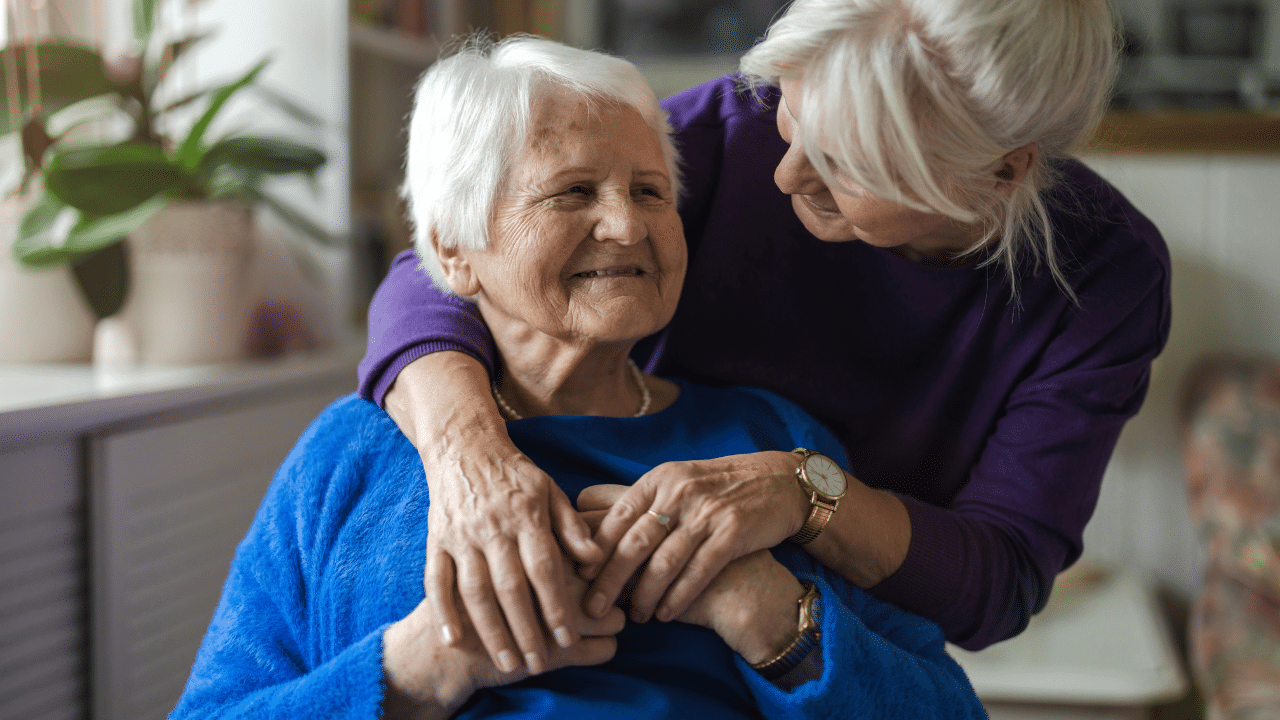
I hear this from families all the time. “My mom is physically the same, but I don’t recognize her anymore.” “We’re still married, but we live separately — I live at home and my partner lives in memory care.” “They aren’t the person I married. I feel like I’m living with a stranger.”
This is ambiguous loss — a concept developed by Pauline Boss to describe grief that occurs without the clarity of death. The person is still physically present, but psychologically, relationally, they are somewhere else. That kind of loss doesn’t map onto our standard frameworks for grief. It has no funeral, no closure, no socially sanctioned endpoint.
Dementia is not just a disease that happens to one person. It happens to a family.
CFT gives clinicians a structured way to work with this. It normalizes the ambiguity, validates the grief, and helps families find ways to stay in relationship — even as the illness progresses.
The role shifts in dementia caregiving are particularly pronounced. A spouse moves from lover to helper. A partner becomes a patient’s nurse. An adult child becomes their parent’s parent. These aren’t just logistical adjustments — they’re identity-level changes, and they often bring profound loss, resentment, tenderness, and ambivalence all at once.
People also come to therapy stuck — unable to make a care decision because making any decision means accepting a role change they’re not ready for. Naming that stuck point as a systems-level issue — not a personal failure — can be genuinely liberating.
The Six Stages of Caregiving: A Dementia Lens
One of the frameworks I find most useful in CFT is understanding where a family is in the caregiving journey. There are six stages, and each one looks different when dementia is in the picture.
Stage 1: The Pre-Caregiver
Two autonomous adults living side by side. There’s little to no concern about the older adult’s health, and little to no request for assistance.
A couple in their mid-70s, both still active and independent. One partner is beginning to show subtle signs — repeating stories, misplacing things more than usual, getting confused about dates. Neither has named it yet. This is the window where early intervention can make an enormous difference, but families often don’t seek help here. They’re in wait-and-see mode.
Stage 2: The Ambiguous Caregiver
The older adult has functional limitations, but the need for support is inconsistent or unclear. The tension between autonomy and safety becomes central.
An adult son notices his father with mild cognitive impairment is making costly mistakes with his finances and getting confused when he drives somewhere unfamiliar. But on good days, his father seems completely fine. The son doesn’t know whether to step in or back off. He’s second-guessing himself constantly, and his father is insulted that anyone would question his judgment. This ambiguity is exhausting for everyone.
Stage 3: The Caregiver
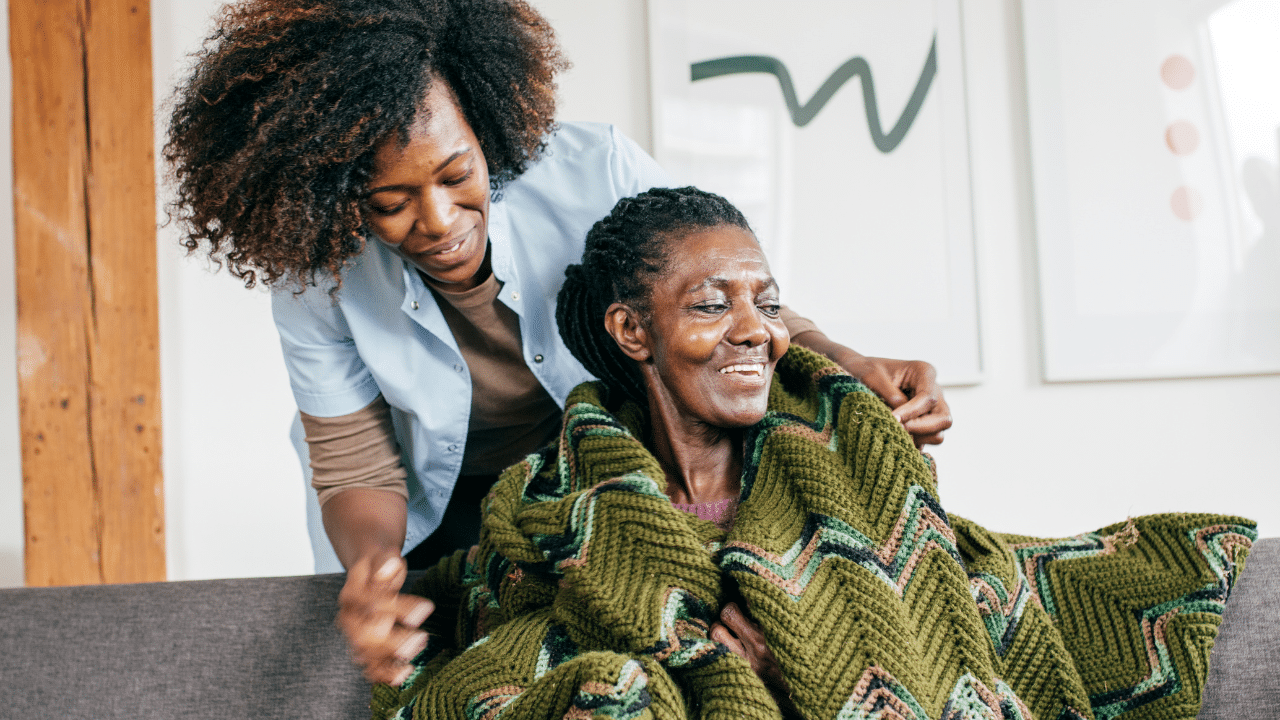
There’s no denying it. The caregiver is actively involved in intimate daily tasks: dressing, bathing, toileting, attending every medical appointment.
A woman is now helping her mother with moderate Alzheimer’s get dressed each morning, managing all her medications, and accompanying her to every appointment. Her mother sometimes doesn’t recognize her. The daughter is grieving a relationship she’s still inside of. She’s exhausted, and she’s doing this largely alone because her siblings don’t live nearby and don’t fully understand the severity of what’s happening.
Stage 4: The Steward
The care recipient is nearing end of life. The caregiver becomes the keeper of the relationship — advocating for a loved one who can no longer advocate for themselves.
A husband whose wife has late-stage Alzheimer’s can no longer communicate. She’s receiving hospice care. He sits with her every day. He’s the one who knows she always wanted to die at home, that she loved classical music, that she hated being cold. He carries all of that now. Therapy helps him hold both the grief and the love, and to trust that he knows her well enough to speak for her.
Stage 5: The Bereaved
The loved one has died. Grief now includes the loss of a role, a relationship, and often a central organizing purpose.
After his wife dies, a man who spent five years as her primary caregiver doesn’t know who he is without that role. His grief is complex — there’s sadness, but also relief, and then guilt about the relief. He had to grieve the wife he lost to dementia years before her body died, and then grieve her again now. CFT can help him understand that this kind of layered, non-linear grief is completely normal.
Stage 6: The Re-Builder
Rebuilding a life with more space, but often a profound void. The goal is re-engagement with relationships and activities that feel meaningful.
A woman whose husband died after a seven-year battle with Lewy Body Dementia describes her days as “so quiet.” She’d structured her entire life around his care. Now the afternoons stretch out and she doesn’t know how to fill them. She’s not depressed — she’s rebuilding. Therapy supports her in figuring out who she is now, what matters to her, and how to re-enter her own life.
A Word About Caregiver Resilience
One of the things I most want clinicians to hold onto is this: most caregivers are deeply resilient. Research consistently shows that the majority of family caregivers — even those experiencing stress and depression — also report finding meaning and benefit in the work they do. Many describe caregiving as the hardest thing they’ve ever done. And many say they would do it again.
That’s not a contradiction. That’s the full, complicated truth of caregiving.
Our job as clinicians isn’t to rescue families from caregiving. It’s to help them do it with more support, more skill, and more connection to each other — so that when it’s over, they can look back and know they were there in the fullest way they could be.
Professionals: Want to Deepen Your Therapy Skills with Dementia?
If you’re building your clinical skills in this area, I recommend starting with:
Join My Upcoming Training.
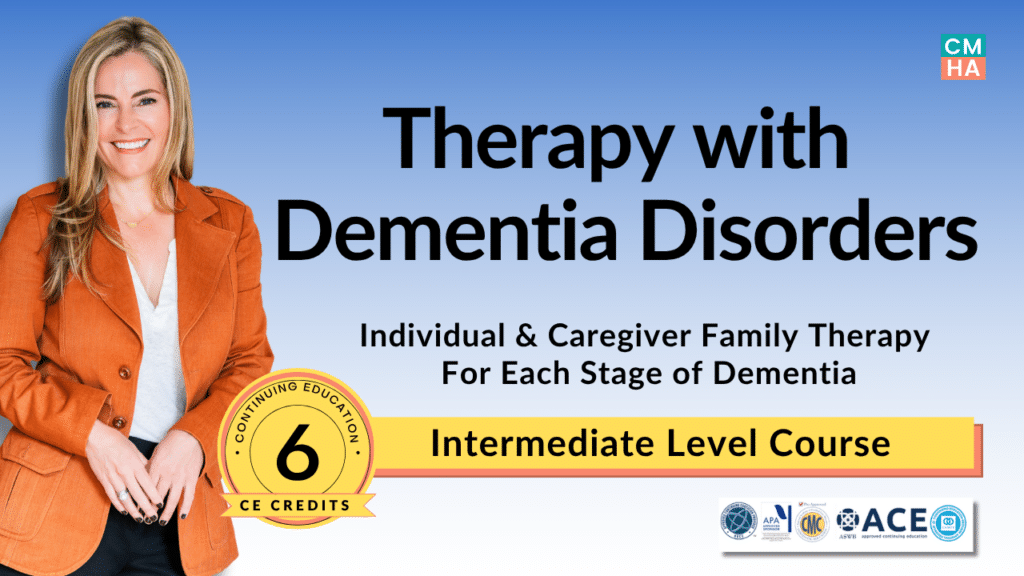
If this framework resonates with you, I’d love to have you join me for my upcoming training on Therapy with Dementia Disorders
Learn more here
In this training, we’ll go deep on how to apply a family systems lens to the full arc of dementia — from early diagnosis through end of life. You’ll leave with a clear clinical framework, practical tools, and a much stronger sense of how to show up for the families who need you most.
Caregiver Family Therapy maps directly onto the work of supporting families through each stage of dementia. This training will give you the clinical language and the practical skills to do it well.
Recommended Reading:
This is the most comprehensive framework I’ve found, and it’s clinically grounded without being overly prescriptive. Qualls and Williams write in a way that respects both the science and the messiness of real family life.
Qualls, S. H., & Williams, A. A. (2013). Caregiver Family Therapy: Empowering Families to Meet the Challenges of Aging. American Psychological Association.
Related Articles
- Therapy for Families and Individuals Following a Difficult Move to Memory Care
- Deception, Relocation, and Dementia Care: Is it Ok to Lie to a Person About Moving To Memory Care?
- Transfer Trauma in Older Adults: Relocation Stress, Identity Loss, and How Therapy Can Help
- Grieving Someone Who’s Still Alive: Understanding Ambiguous Loss
- Separation Anxiety in Older Adults: What Every Clinician Needs to Know
- Do Caregivers Really Die Before Their Loved Ones? What The Science Actually Says
References
- Alzheimer’s Association. (2024). 2024 Alzheimer’s disease facts and figures. Alzheimers & Dementia, 20(5). https://doi.org/10.1002/alz.13809
- Boss, P. (1999). Ambiguous loss: Learning to live with unresolved grief. Harvard University Press.
- Family Caregiver Alliance. (n.d.). Caregiver statistics: Demographics. Retrieved from https://www.caregiver.org/caregiver-statistics-demographics
- Qualls, S. H., & Williams, A. A. (2013). Caregiver Family Therapy: Empowering Families to Meet the Challenges of Aging. American Psychological Association.
- SAGE USA. (n.d.). LGBT caregiving. Retrieved from https://www.sageusa.org
- Tonkin, L. (1996). Growing around grief—Another way of looking at grief and recovery. Bereavement Care, 15(1), 10. https://doi.org/10.1080/02682629608657376

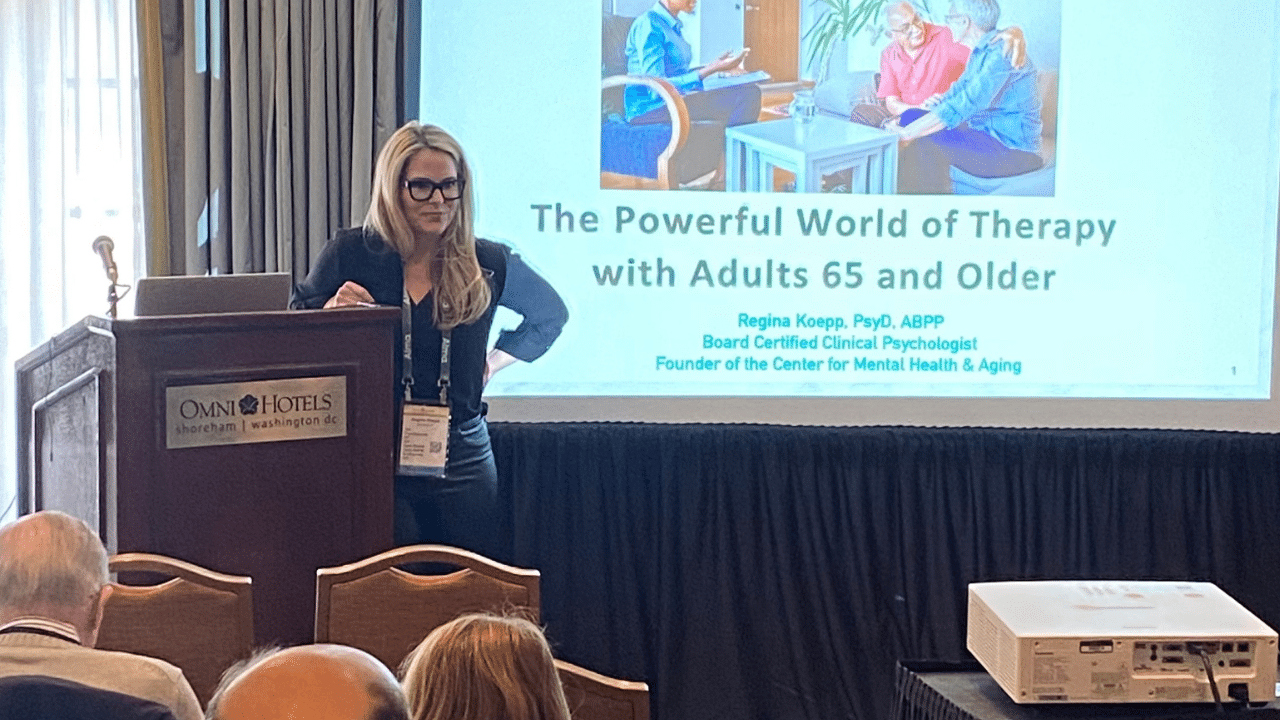
Dr. Regina Koepp is a board certified clinical psychologist, clinical geropsychologist, and founder and CEO of the Center for Mental Health & Aging: the “go to” place for mental health and aging. Dr. Koepp is a sought after speaker on the topics of mental health and aging, caregiving, ageism, resilience, intimacy in the context of life altering Illness, and dementia and sexual expression. Dr. Koepp is on a mission to ensure mental health and belonging for older adults, because every person at every age is worthy of healing, transformation, and love. Learn more about Dr. Regina Koepp here.
Regina Koepp, PsyD, ABPP











































































Want More? Read Our Most Recent Posts


Older adults deserve high quality mental health care.
Therapists deserve the training to provide that care.