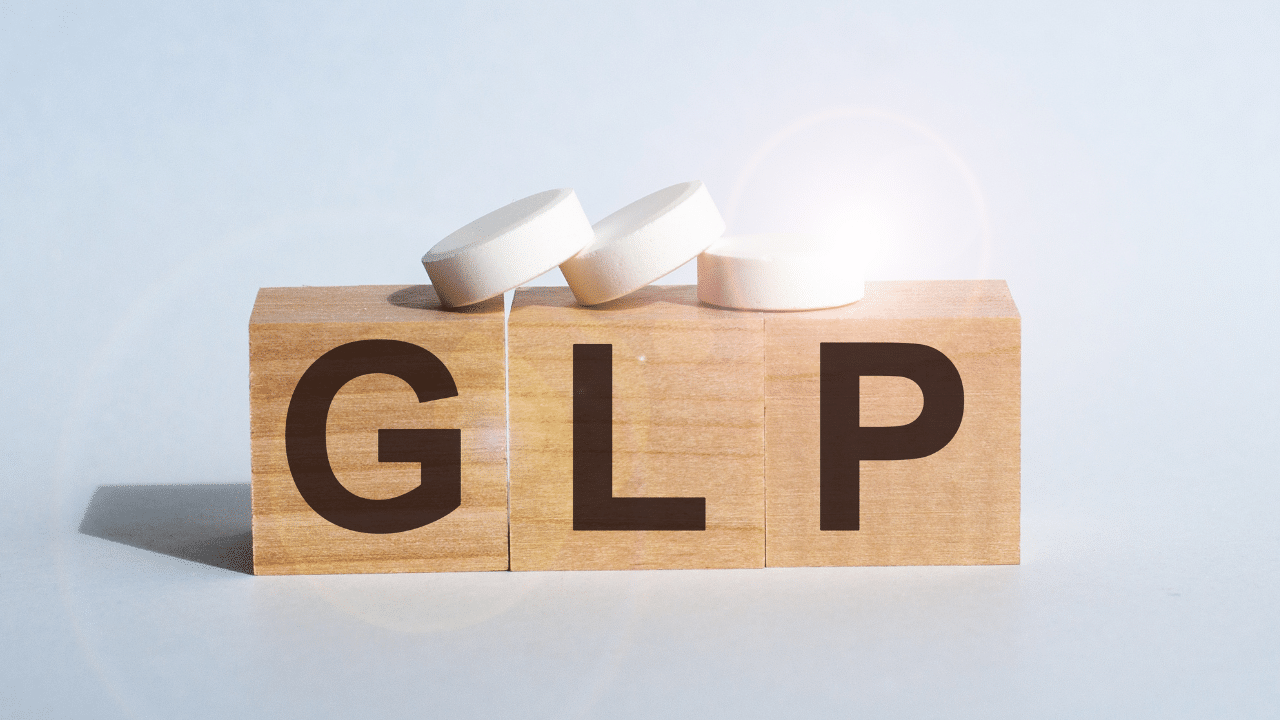
When I teach about mental health and aging, one of the most common questions I hear is: “Do GLP-1 medications like semaglutide (Ozempic, Wegovy) actually lower dementia risk?”
As a geropsychologist, I’m curious about this too, especially as more of my patients and the clinicians I train and consult with are using these medications for type 2 diabetes and weight management.
The short version is this: recent studies suggest GLP-1 medications may be associated with a lower risk of dementia, especially in people with type 2 diabetes.
In this article, I cover:
- What GLP-1 medications are and how they work
- Why type 2 diabetes is now on the Lancet Commission’s list of modifiable causes of dementia
- What recent high-quality studies show about GLP-1s and dementia risk
- How GLP-1s might help protect the brain
- What I tell patients and clinicians about where this evidence stands today
GLP-1 medications, dementia risk, and brain health
GLP-1 receptor agonists (often shortened to GLP-1s) are medications originally developed to treat type 2 diabetes. You may recognize names like semaglutide, liraglutide, dulaglutide, and tirzepatide. These medications help the body release insulin more effectively, reduce appetite, and improve blood sugar control. Many also promote weight loss and reduce cardiovascular risk.
Why am I talking about them in an article on dementia? Because the same conditions GLP-1s help treat, type 2 diabetes, obesity, and cardiovascular disease, are major risk factors for dementia.
The 2024 Lancet Commission on dementia prevention, intervention, and care names type 2 diabetes as a modifiable risk factor for dementia, alongside factors like hypertension, hearing loss, smoking, physical inactivity, depression, and social isolation (Livingston et al., 2024). In other words, treating and managing diabetes is part of managing dementia risk.
So when a class of medications improves blood sugar, supports weight loss, and can reduce vascular complications, it makes sense that researchers would ask: Could GLP-1s also be helping the brain?
Research Published in JAMA Neurology: GLP-1s and all-cause dementia
Let’s start with one of the most widely cited recent studies.
A 2025 systematic review and meta-analysis published in JAMA Neurology examined 26 randomized clinical trials including 164,531 participants treated with different cardioprotective glucose-lowering therapies (Seminer et al., 2025).
Overall, when the authors looked at all cardioprotective diabetes medications together, they did not see a statistically significant reduction in dementia or cognitive impairment.
However, when they looked specifically at GLP-1 receptor agonists, they found that GLP-1s were associated with a statistically significant reduction in all-cause dementia (Seminer et al., 2025).
In contrast, another popular class of cardioprotective diabetes drugs, sodium-glucose cotransporter-2 inhibitors (SGLT2is), did not show this kind of dementia benefit.
Here is one way this can be interpreted:
- Across randomized trials, glucose-lowering therapy in general did not clearly lower dementia risk.
- Within that group, GLP-1s stood out as the one class associated with lower odds of dementia or cognitive impairment.
- That association is encouraging, but it does not prove that GLP-1s cause the reduction in dementia. It shows a pattern that deserves further study.
So, JAMA Neurology gives us a cautious but hopeful message: GLP-1 therapy, among other diabetes treatments, looks particularly promising for dementia risk reduction.
GLP-1s, Alzheimer’s Disease, and Vascular Dementia: Real World Research
Meta-analyses are powerful, but they often pool data from trials that weren’t designed with dementia as the primary outcome. That’s where large real-world studies add another layer.
A 2025 study published in the Journal of Alzheimer’s Disease followed more than 1.7 million adults with type 2 diabetes to compare semaglutide with several other diabetes treatments over three years (Wang et al., 2025). The researchers found that semaglutide was associated with a significantly reduced risk of Alzheimer disease-related dementias (ADRD) overall.
Compared with insulin, semaglutide was associated with a 46% lower risk of ADRD. Compared with metformin, the risk was 33% lower. And compared with older-generation GLP-1s, semaglutide still showed a 20% lower risk (Wang et al., 2025).
When the authors broke this down by dementia subtype, the strongest signal emerged for vascular dementia, where semaglutide was associated with significantly lower risk. They did not find a clear association for frontotemporal or Lewy body dementias (Wang et al., 2025).
Clinically, here’s how we might think about this:
- People with type 2 diabetes on semaglutide had fewer dementia diagnoses than similar people on insulin, metformin, or older GLP-1s.
- The pattern was especially strong for vascular dementia, which fits with the idea that vascular health is brain health.
- Because this is an observational “real-world” study, it can’t prove causality, there may be other differences between groups, but it does add to the case that GLP-1s are not harmful to the brain and may be protective.
Taken together with the JAMA Neurology meta-analysis, this real-world study strengthens the impression that GLP-1s, and semaglutide in particular, may reduce dementia risk in adults with type 2 diabetes.
“GLP-1 medications are promising tools that may lower dementia risk for some people, especially those with type 2 diabetes, but they’re just one part of a comprehensive brain-health plan, and they are not a guarantee.”
How might GLP-1 medications reduce dementia risk?
People often ask me, “Okay, but how would a diabetes medication help the brain?” There are two main pathways I talk about: indirect, through overall health, and direct, through possible brain effects.
Indirect effects: GLP-1’s may help to reduce diseases that cause dementia
Remember the Lancet Commission’s emphasis on modifiable risk factors for dementia. Type 2 diabetes, hypertension, obesity, and physical inactivity are all on that list (Livingston et al., 2024). GLP-1 medications can:
- Improve blood sugar control, reducing chronic high-glucose exposure that damages blood vessels and brain tissue.
- Support weight loss, which can reduce inflammation, improve insulin sensitivity, and lower cardiovascular risk.
- Help lower blood pressure and improve lipid profiles in some people, further reducing vascular strain.
Because vascular damage is a major pathway to dementia, especially vascular dementia, influencing those risk factors is one way GLP-1s may contribute to better brain outcomes over time.
In plain language: when your metabolic and vascular health improve, your brain gets steadier blood flow, less wear and tear from chronic inflammation and glucose toxicity, and more protection from small strokes and microvascular injury.
Direct effects: GLP-1’s may help to protect the brain
In addition to these whole-body effects, there is growing preclinical and early clinical evidence that GLP-1s may act directly on the brain.
A 2022 review in Frontiers in Endocrinology summarized multiple animal and early human studies and concluded that GLP-1 receptor agonists appear to have several neuroprotective mechanisms (Du et al., 2022). These include:
- Reducing neuroinflammation and oxidative stress.
- Decreasing amyloid-beta (Aβ) deposition and tau hyperphosphorylation in Alzheimer’s disease models.
- Improving insulin signaling in the brain.
- Supporting neuron survival, neurogenesis (the birth of new neurons), and synaptic plasticity.
When I’m explaining this in a teaching setting, I keep it simple: GLP-1s may help calm brain inflammation, improve how brain cells use energy, and protect them from some of the toxic processes associated with Alzheimer’s pathology (Du et al., 2022).
It’s important to name the limits here. Most of the strongest evidence for direct neuroprotection comes from animal models and mechanistic studies rather than large, long-term trials in humans. So, while the biology is compelling, we still need more human data to know how much of this translates into meaningful prevention or delay of dementia.
GLP-1 medications, type 2 diabetes, and dementia risk: what I tell clients and clinicians
With all of this in mind, here is how I talk about GLP-1s and dementia risk in clinic and in training sessions.
First, if someone has type 2 diabetes, I emphasize that diabetes itself is a modifiable cause of dementia. The Lancet Commission estimates that addressing modifiable risk factors, including diabetes, could meaningfully reduce the global burden of dementia (Livingston et al., 2024). So anything that improves diabetes management, medication, nutrition, movement, sleep, belongs in the dementia-prevention conversation.
Second, I share that current evidence does not show that GLP-1 medications increase dementia risk. If anything, GLP-1s are looking either neutral or beneficial for brain outcomes, with several studies suggesting lower dementia risk in people living with type 2 diabetes (Seminer et al., 2025; Wang et al., 2025).
Third, I frame GLP-1 therapy as one part of a broader dementia risk-reduction plan:
- For someone with type 2 diabetes, obesity, or cardiovascular disease, GLP-1s may provide metabolic and vascular benefits that indirectly support brain health.
- These medications are not approved as dementia-prevention drugs, and they should never replace core strategies like blood pressure control, physical activity, smoking cessation, depression treatment, hearing and vision care, social engagement, and cognitive stimulation.
- They may, however, help create a healthier internal environment where the brain can function more reliably.
Clinically, I also encourage people to think about timing and duration. Most of the dementia risk-reduction strategies we talk about are long-game strategies, addressing risk factors over many years, not weeks. We don’t yet have data showing that a few years on GLP-1 therapy will definitively prevent dementia, but we do have enough evidence to say that GLP-1s are “potentially helpful” for brain health.
Key takeaways for mental health and aging
If you are working with older adults, caregivers, or midlife adults who are thinking ahead, here are take home points:
- Type 2 diabetes is now recognized as a modifiable cause of dementia, and managing it well is part of good dementia care and prevention (Livingston et al., 2024).
- GLP-1 medications like semaglutide are effective tools for improving diabetes control, supporting weight loss, and reducing cardiovascular risk.
- Recent research in JAMA Neurology and the Journal of Alzheimer’s Disease suggests that GLP-1 therapy, especially semaglutide, may be associated with lower dementia risk in people with type 2 diabetes (Seminer et al., 2025; Wang et al., 2025).
- Mechanistic studies point to both indirect benefits (better metabolic and vascular health) and possible direct neuroprotective effects (reducing inflammation and Alzheimer’s pathology), but most of that mechanistic evidence is still preclinical (Du et al., 2022).
- We do not yet have definitive evidence that GLP-1s prevent dementia, and they are not approved as dementia-prevention medications.
So when someone asks me…
“Does taking a GLP-1 mean I won’t get dementia?”
My answer is:
GLP-1 medications are promising tools that may lower dementia risk for some people, especially those with type 2 diabetes, but they’re just one part of a comprehensive brain-health plan, and they are not a guarantee.
My hope is that as more research comes out in the coming years, we’ll have clearer guidance.
For now, GLP-1s are prescribed for appropriate metabolic reasons, and it’s reasonable to view any brain-health benefit as a possible bonus, not the main reason to take them.
Keep Learning with a CE Course
If you’d like to learn more about providing therapy to people living with dementia and their families, take my on-demand 6-hour course on Therapy with Dementia Disorders: Individual + Caregiver Family Therapy Across the Stages of Dementia

Related Articles
- How to Prevent Dementia: 14 New Strategies Revealed
- What Is Mild Cognitive Impairment — And How Can Psychotherapy Help?
- Supporting People with Dementia Who Live Alone: Must Have Resources
- “What can I do to keep my brain healthy?” – Global Council on Brain Health Answers
- Suicide Risk After Dementia: Why the First Months Are Most Dangerous
References
- Du, H., Meng, X., Yao, Y., & Xu, J. (2022). The mechanism and efficacy of GLP-1 receptor agonists in the treatment of Alzheimer’s disease. Frontiers in Endocrinology, 13, 1033479. https://doi.org/10.3389/fendo.2022.1033479
- Livingston, G., Huntley, J., Sommerlad, A., Ames, D., Ballard, C., Banerjee, S., Brayne, C., Burns, A., Cohen-Mansfield, J., Cooper, C., Costafreda, S. G., Dias, A., Fox, N., Gitlin, L. N., Howard, R., Kales, H. C., Kivimäki, M., Okereke, O. I., Mukadam, N., … Nyman, S. R. (2024). Dementia prevention, intervention, and care: 2024 report of the Lancet standing Commission. The Lancet, 404(10452), 572–628. https://doi.org/10.1016/S0140-6736(24)01296-0
- Seminer, A., Mulihano, A., O’Brien, C., Davis, R., Hernandez, T., Kim, J., Patel, S., & Lee, Y. (2025). Cardioprotective glucose-lowering agents and dementia risk: A systematic review and meta-analysis. JAMA Neurology, 82(5), 450–460. https://doi.org/10.1001/jamaneurol.2025.0360
- Wang, W., Davis, P. B., Qi, X., Gurney, M., Perry, G., Volkow, N. D., Kaelber, D. C., & Xu, R. (2025). Associations of semaglutide with Alzheimer’s disease-related dementias in patients with type 2 diabetes: A real-world target trial emulation study. Journal of Alzheimer’s Disease, 106(4), 1509–1522. https://doi.org/10.1177/13872877251351329

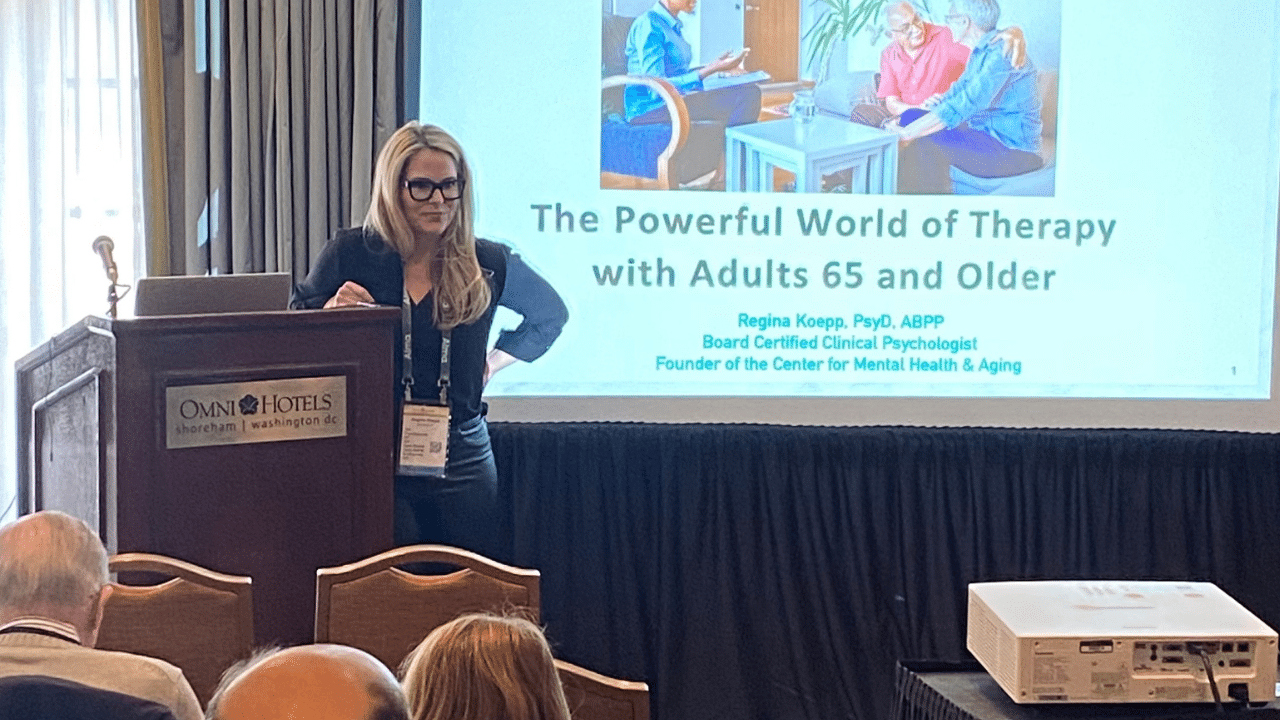
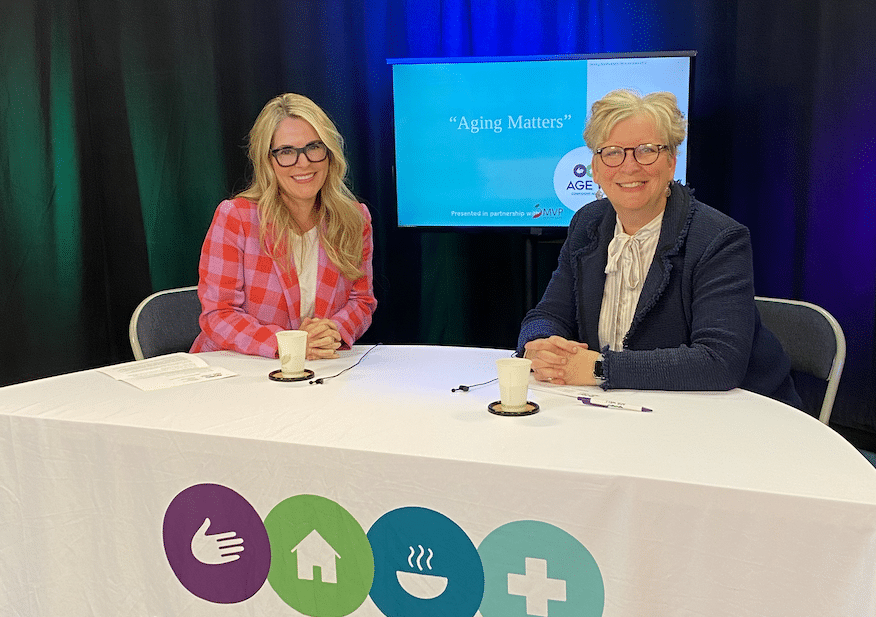
Dr. Regina Koepp is a board certified clinical psychologist, clinical geropsychologist, and founder and CEO of the Center for Mental Health & Aging: the “go to” place for mental health and aging. Dr. Koepp is a sought after speaker on the topics of mental health and aging, caregiving, ageism, resilience, intimacy in the context of life altering Illness, and dementia and sexual expression. Dr. Koepp is on a mission to ensure mental health and belonging for older adults, because every person at every age is worthy of healing, transformation, and love. Learn more about Dr. Regina Koepp here.
Regina Koepp, PsyD, ABPP




























































































Want More? Read Our Most Recent Posts


Older adults deserve high quality mental health care.
Therapists deserve the training to provide that care.