The signs are hard to miss.
Your mother used to balance her checkbook to the penny — now the bills are going unpaid. Your father, who has driven the same route to the grocery store for 30 years, called you last Tuesday because he got lost. And the repeated questions — Did I take my pill? Did I take my pill? Did I take my pill? — are new, in a way they weren’t three years ago.
You’ve already taken a responsible step: you brought your loved one to their primary care doctor. The doctor ran some labs, did a general check-up, and said everything looked fine. But you’re still worried, and your family has started talking about a more comprehensive dementia evaluation — a neuropsychological assessment or a visit to a memory specialist.
And then came the wall.
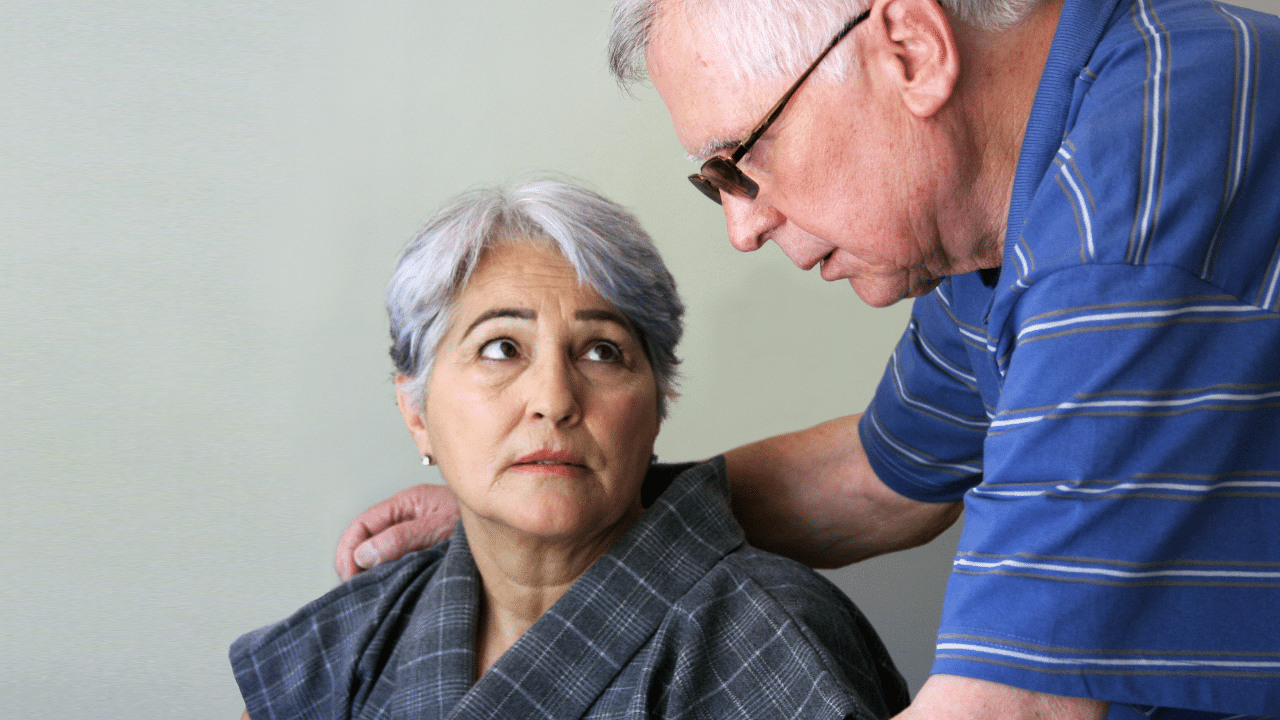
“I’m not going. There’s nothing wrong with me. You’re overreacting.”
As a geropsychologist with over 20 years of experience working with older adults and their families, I’ve helped families navigate this dynamic more times than I can count.
In this article, I share guidance on what to do when a loved one refuses a dementia evaluation — with compassion, strategy, and keeping relationship intact.
First, Understand What the Refusal Is Really About
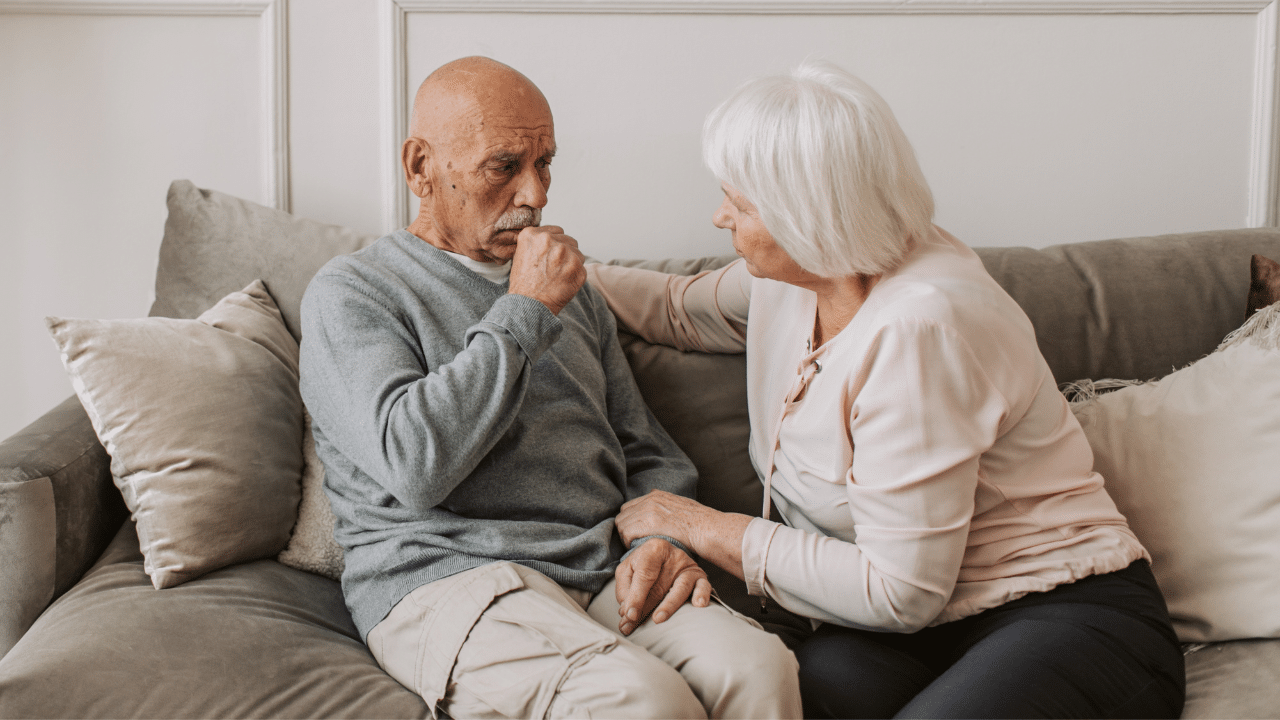
Refusal is almost never about stubbornness alone. When I work with families navigating this, one of the first things I help them see is that “no” usually has fear underneath it. Understanding what’s driving the resistance changes how you respond to it.
Common fears include:
- Fear of the label itself. “Dementia” is a word that lands like a sentence. It evokes images of nursing homes, lost independence, and the end of the life they’ve known.
- Fear of losing control. Driving. Finances. Daily decisions. The evaluation feels like the first step toward having all of that taken away.
- A painful reference point. Many older adults watched a parent or close friend move through dementia. They may be running that script and assuming the worst.
- Anosognosia. This is a neurological phenomenon — not denial — where early brain changes actually impair a person’s ability to perceive their own deficits. They’re not lying when they say they feel fine. The brain isn’t registering the change. In this case it’s not a matter of they “won’t admit they need help”, it’s a matter of their brain literally doesn’t see that they have limit.
When we begin to interpret “I’m not going” as “I’m scared and I don’t want to lose myself,” it’s easier to empathize and connect to the person.
“No” to a dementia evaluation almost always has fear underneath it. When you can hear the fear instead of the refusal, everything changes.
What a General Check-Up Doesn’t Cover
Here’s something families often don’t realize: a primary care visit is not the same as a comprehensive cognitive evaluation. General check-ups are important, but they’re not designed to detect the kinds of changes that specialty care with a neurologist and neuropsychological testing can.
A thorough dementia evaluation can:
- Identify whether changes are due to dementia, mild cognitive impairment, depression, anxiety, sleep problems, medication side effects, or other medical causes — many of which are treatable.
- Detect reversible contributors like B12 deficiency, thyroid problems, or sleep apnea, all of which can mimic or worsen cognitive symptoms.
- Document both strengths and areas of concern, which helps families and clinicians tailor support appropriately.
- Create a foundation for proactive safety planning around driving, finances, and home safety before a crisis forces the issue.
Framing the evaluation this way can help reduce resistance:
- Instead of: “I want you to test to see if you have dementia”
- Try this: “Let’s get you to your doctor for a thorough look at what’s actually going on so we can support you better”
Shift Your Goal: From Compliance to Collaboration
The families I work with often come to me in a crisis mindset: “We have to make them get tested.” That urgency is completely understandable — you love this person and you can see something is wrong. But force rarely works here, and it damages the relationship in ways that make everything harder down the road.
The more effective stance is collaboration. That means:
- “We are on your side” rather than “We know what’s best for you.”
- “Let’s figure this out together” instead of “You need to do this.”
- “I’m worried about specific things I’ve noticed” rather than “Your memory isn’t good anymore.”
Give yourself permission to move slowly. Sometimes it takes weeks or even months of small, patient conversations to get to an evaluation. That’s not failure — it’s relationship.
Use Specific, Concrete Observations — Not Vague Generalizations
“Your memory isn’t what it used to be” almost always triggers defensiveness. Specific observations are much harder to argue with.
Instead of vague, try:
- “I noticed the electric bill wasn’t paid for three months in a row and there were late fees. That’s not like you — you’ve always been so careful with money.”
- “Last Tuesday you called me because you got lost driving to the grocery store. You’ve taken that route for 30 years.”
- “You’ve asked me the same question about the appointment several times in one afternoon. That’s new, and it worries me.”
Pair observations with reassurance: “I know how sharp and capable you’ve always been. That’s exactly why I notice when something seems different.” Limit yourself to one or two concerns per conversation — a list of grievances feels like an attack.
Consider Softening the Language
You don’t always have to lead with the word “dementia” — especially in early conversations, when that word can close down rather than open up dialogue.
You might say instead:
- “I’d like a specialist to take a closer look at your memory and concentration — the same way your doctor checks your heart and blood pressure.”
- “Let’s ask someone who focuses on this specifically. Maybe there’s something simple we’re missing that’s making you more forgetful.”
- “That check-up was about your general health. This would be a focused look at thinking, memory, and mood.”
This isn’t dishonest — it’s accurate. Memory changes have many causes, and the evaluation genuinely can clarify what’s causing what you’re seeing.
Give Them Choices — Even Small Ones
One of the most powerful tools in geropsychology is offering choices within a framework. People are far more likely to say yes when they feel like they still have control.
Some examples:
- “Would you rather see the specialist here in town or go to the memory clinic across the city?”
- “Do you want me to come in with you, or would you prefer I wait in the lobby?”
- “Would it feel better to call this a ‘memory check-up’ or a ‘thinking and attention evaluation’?”
- “Morning or afternoon — which is better for you?”
This approach is grounded in person-centered dementia care research, which consistently shows that preserving autonomy and offering choices reduces resistance and distress (Surr et al., 2020).
Offering choices preserves dignity and dramatically reduces resistance.
Connect the Evaluation to What Matters Most to Them
People say yes when they can see how a step protects what they already care about.
Before your next conversation, ask yourself: what does this person value most? Independence? Staying in their home? Not being a burden? Keeping their driver’s license?
Then link the evaluation to that:
- If they value driving: “If we understand what’s happening, maybe we can find ways to support you in driving safely longer — or identify strategies that help. But we won’t know without a proper look.”
- If they fear being a burden: “If we get information now, we can put support in place early so it doesn’t all fall on you or on any one person later.”
- If they value staying home: “A good evaluation actually helps us plan for that. It tells us what support you’d need to stay home safely for as long as possible.”
This reframes the evaluation from a threat to independence into a tool for protecting it.
Loop In the Primary Care Doctor Strategically
Even though your loved one has already been to their doctor, that visit may not have included any formal cognitive screening. Many primary care appointments are brief, and cognitive concerns may not have been front and center.
Here’s what I recommend:
- Before the next appointment, send a brief note or email to the provider with specific examples — the missed bills, the getting lost, the repeated questions. Clinicians need that context; they often can’t see it in a 15-minute visit.
- Ask the doctor directly for a cognitive screening or a referral to a neuropsychologist, neurologist, or memory clinic. Advocacy on your part matters.
- If your loved one resists “seeing another doctor,” consider scheduling a routine check-up and asking the provider to incorporate brief cognitive testing into that visit. Many providers are willing to do this.
The framing that often works: “The doctor wants to check your thinking like they check your blood pressure. It’s just part of taking good care of yourself.”
When They Still Say No
Sometimes, despite everything, the answer is still no. That is genuinely hard, and it doesn’t mean you’ve failed. At that point, the focus shifts from securing the evaluation to managing safety and maintaining the relationship.
On driving: Consider time-limited compromises — driving only with a passenger, no night driving, no highways — while continuing to work toward an evaluation or discussing concerns with their physician. If safety around driving is VERY concerning, many states allow you to call or write an email to the Department of Motor Vehicles. In this case, it’s important that the PCP knows the safety concerns as well.
On finances: Quietly increase oversight like, co-signing checks, setting up shared visibility on accounts, or establishing lower daily withdrawal limits, while maintaining as much dignity as possible.
On the environment: Dementia care specialists often recommend shifting the environment rather than trying to change the person. Some considerations are to simplify bill-paying with automatic payments and reduce high-risk tasks. These changes reduce harm without requiring a direct confrontation.
Resistance often softens over time, especially when you stay calm and don’t escalate. People often do better earlier in the day and in calmer seasons of life. Try again — gently, patiently, and without ultimatums.
You’re not failing if you can’t secure an evaluation on your timeline. You are playing the long game of safety, dignity, and relationship.
When Family Members Don’t Agree
Families rarely agree perfectly on timing or approach. Some want to act immediately; others think you’re overreacting. Cognitive decline and fear have a way of magnifying long-standing family dynamics.
A few things help:
- Hold a family meeting, in person or virtually, focused on specific observations and shared goals (“keeping Dad at home safely as long as possible”) rather than arguments about who’s right.
- Agree on one person to take the lead in conversations with your loved one. Multiple people pressing at once can feel like an intervention, which increases resistance. It’s often best to choose the person with the best relationship and influence.
- Agree on non-negotiables and how you’ll hold them calmly and consistently — for example, no large financial transfers without a second signature.
If family conflict is intense, a geriatric care manager or family therapist with expertise in aging and dementia can be genuinely invaluable here. This work is hard enough without navigating it alone.
We’re making it easier for you to find a therapist with our National Therapy Directory. It’s filled with therapists who specialize with older adults.
Click here to find a therapist who specializes with older adults and caregivers.
Please Don’t Forget to Take Care of Yourself
Advocating for an older loved one who is refusing help is emotionally exhausting. The worry, the repeated conversations, the family tension — it builds up.
Caregiver stress in families navigating cognitive change and resistance is real, and the research is clear that support for you is not a luxury — it is a protective factor against burnout and depression.
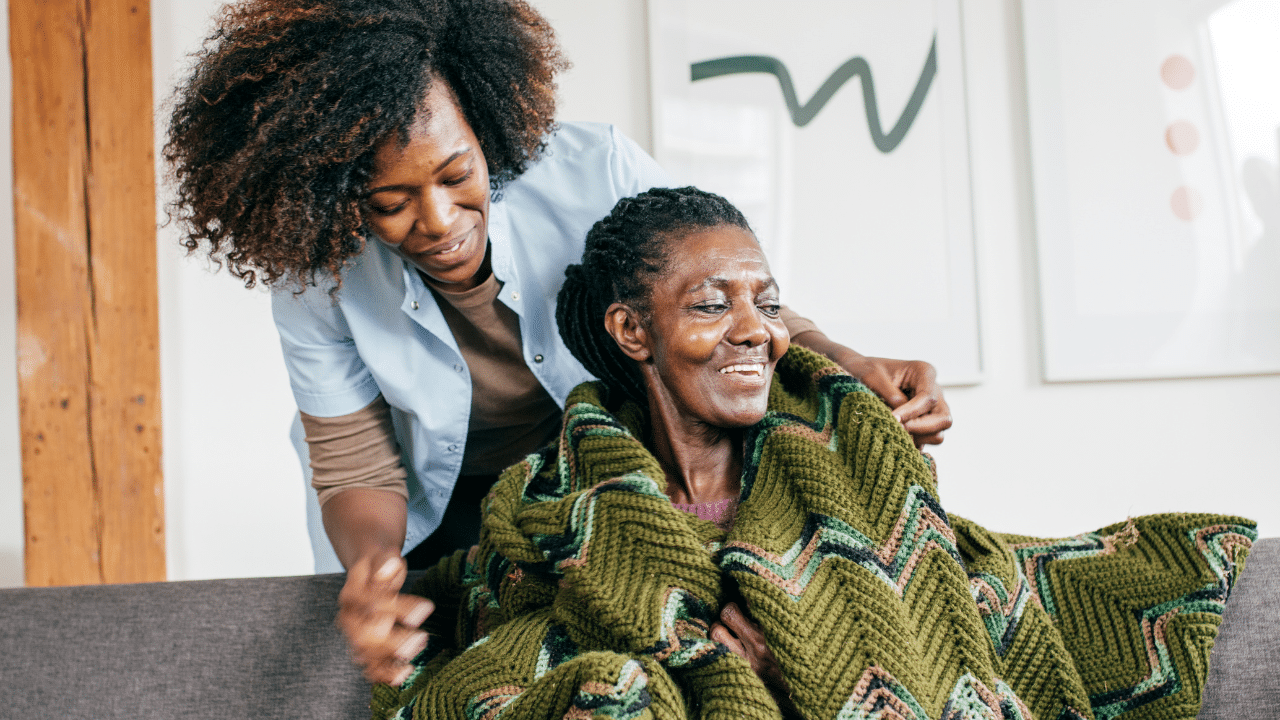
Consider joining a caregiver support group through a local Alzheimer’s organization or memory clinic. Consider meeting with a geropsychologist or social worker who understands dementia — someone who can help you with communication strategies, boundary-setting, and the grief that often accompanies this kind of change. You deserve support just as much as your loved one does.
Caregiver support is not a luxury. It is a protective factor — for your wellbeing and for your ability to show up for the person you love.
A Final Note
The families I’ve worked with who navigate this well share one thing in common: they hold their concern and their compassion at the same time. They don’t give up on safety, and they don’t give up on the relationship. This is easier said than done.
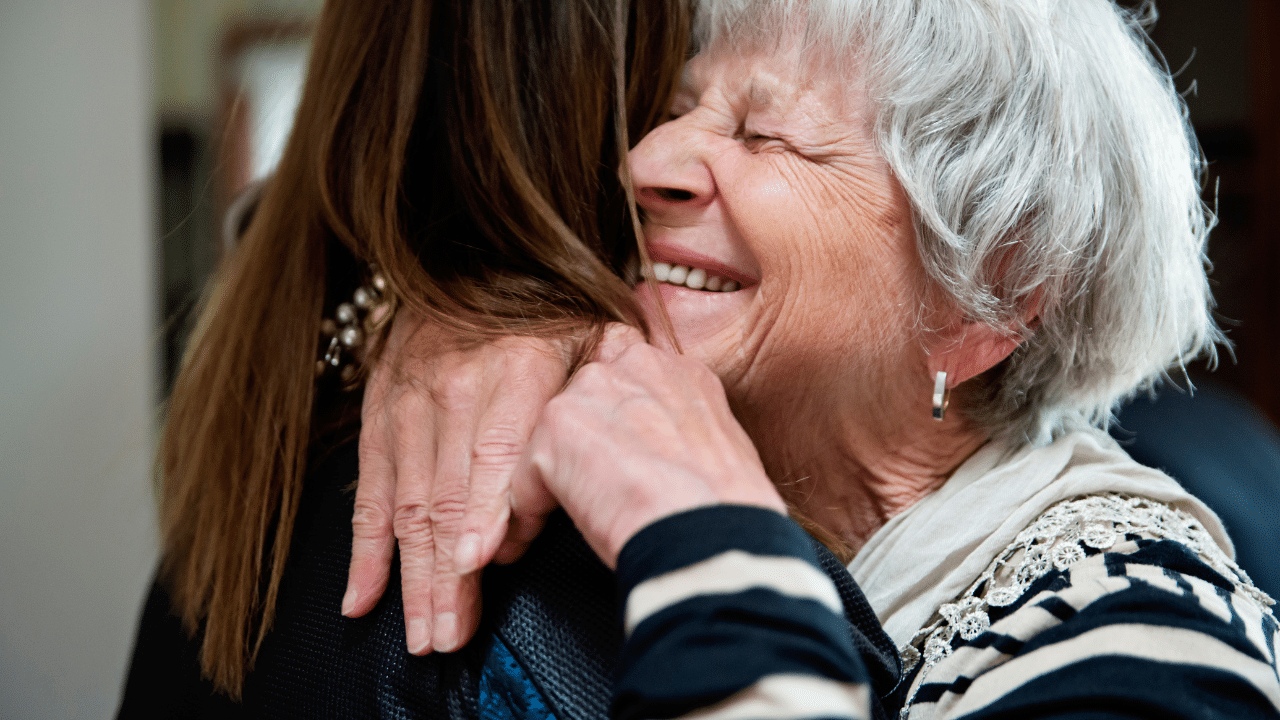
If you’re in the middle of this right now, I hope this gives you some tools — and maybe a little permission to move slowly, be patient with yourself, and trust that the relationship you’re protecting is worth protecting.
Related Articles
- Just Diagnosed with Dementia? Here’s What to Do First
- Supporting People with Dementia Who Live Alone: Must Have Resources
- Suicide Risk After Dementia: Why the First Months Are Most Dangerous
- Why is Early Diagnosis of Dementia Important?
- 3 Simple Self-Care Strategies for Dementia Caregivers
References
- National Institute on Aging. (2021). Anosognosia in Alzheimer’s and dementia. National Institutes of Health. https://www.nia.nih.gov/health/alzheimers-symptoms-and-diagnosis/anosognosia-alzheimers-and-dementia
- Surr, C. A., Griffiths, A. W., Kelley, R., Holloway, I., Walwyn, R. E. A., Martin, A., Byrne, A., Meads, D., Ballard, C., Fossey, J., & Downs, M. (2020). Implementing Dementia Care Mapping as a practice development tool in dementia care services: A systematic review. Alzheimer’s & Dementia: Translational Research & Clinical Interventions, 6(1), e12316. https://doi.org/10.1002/trc2.12316

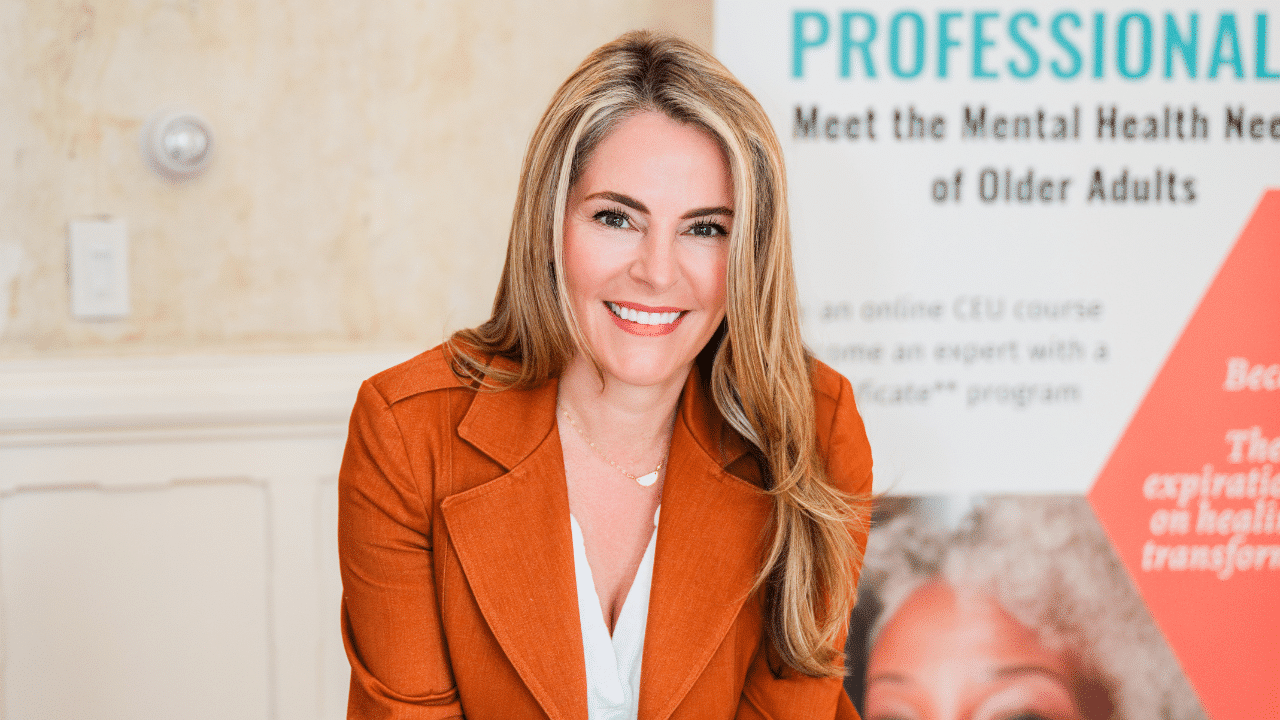
Dr. Regina Koepp is a board certified clinical psychologist, clinical geropsychologist, and founder and CEO of the Center for Mental Health & Aging: the “go to” place for mental health and aging. Dr. Koepp is a sought after speaker on the topics of mental health and aging, caregiving, ageism, resilience, intimacy in the context of life altering Illness, and dementia and sexual expression. Dr. Koepp is on a mission to ensure mental health and belonging for older adults, because every person at every age is worthy of healing, transformation, and love. Learn more about Dr. Regina Koepp here.
Regina Koepp, PsyD, ABPP




































































Want More? Read Our Most Recent Posts


Older adults deserve high quality mental health care.
Therapists deserve the training to provide that care.