
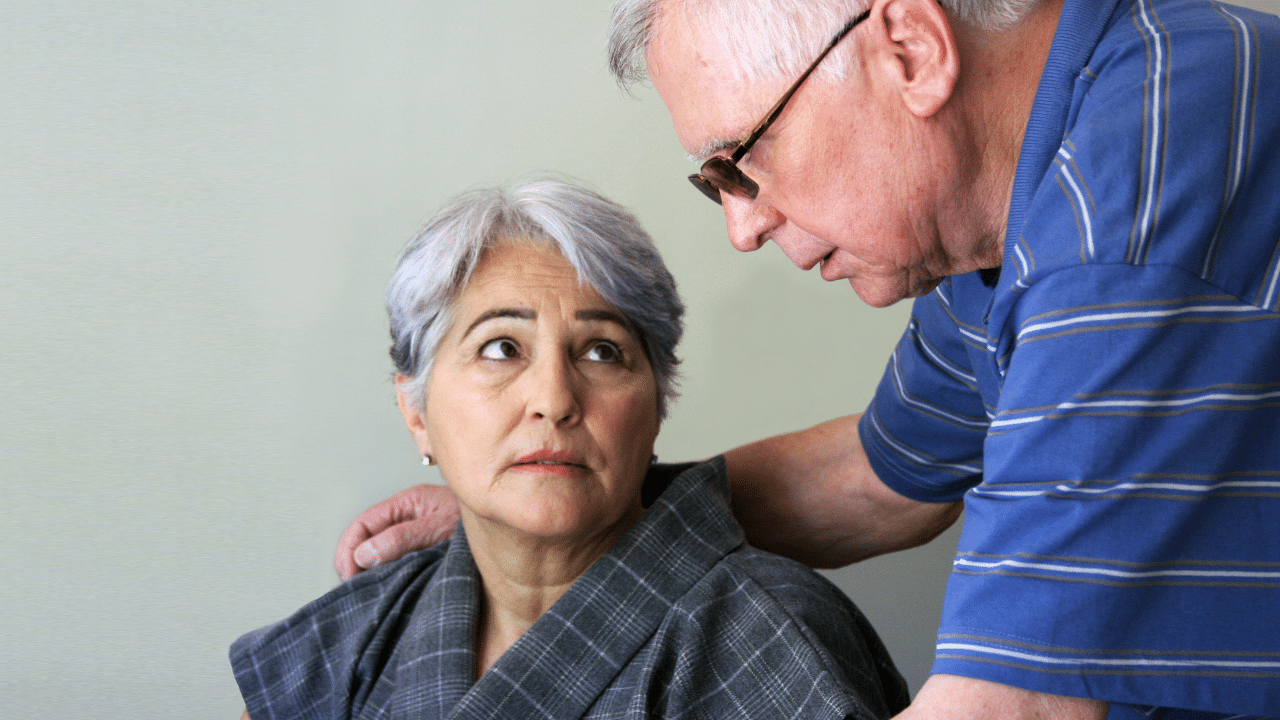
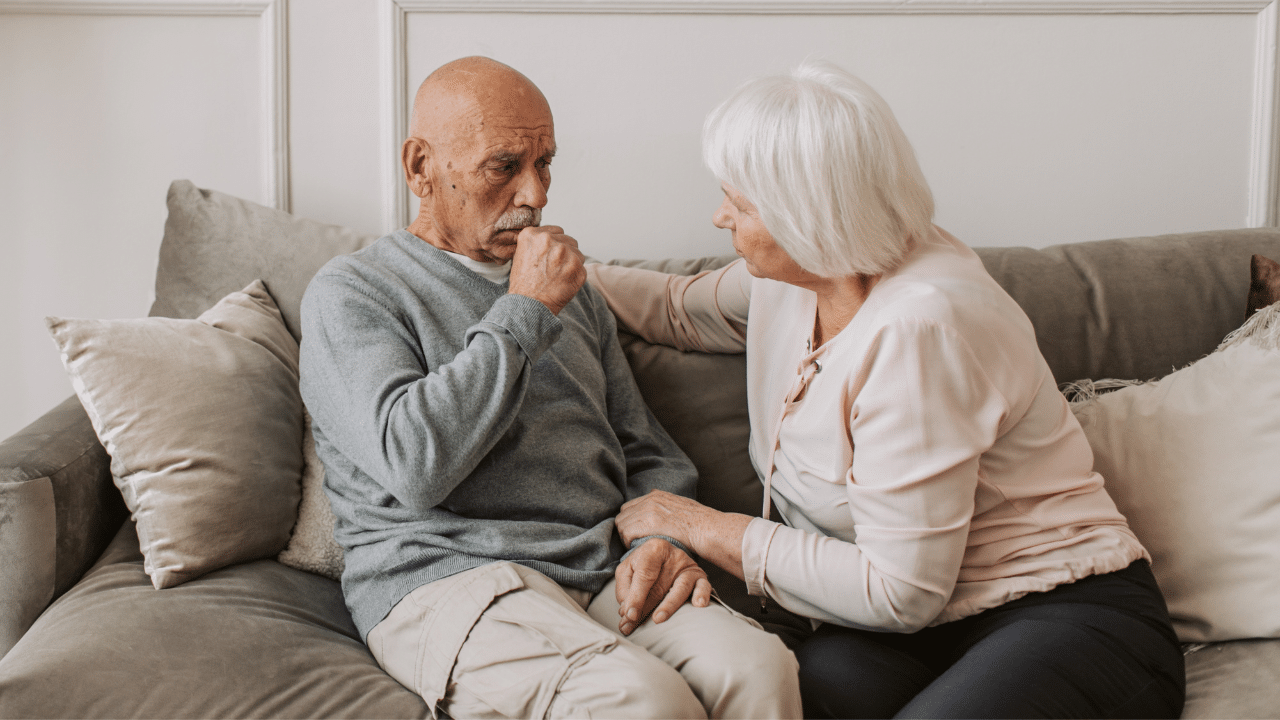
When a family member starts asking the same question three times in an hour, or gets lost driving a route they’ve taken for thirty years, what follows is often a combination of fear (what if something horrible happens?) and uncertainty (what do we do about this?)
Families come to me at this point, sometimes already convinced they know what’s happening, and sometimes terrified to find out. What nearly all of them share is this: they have no idea where to begin.
That’s what this blog article is for. Whether you’re a clinician helping a family navigate next steps, or a family member trying to figure out what to do, here’s what a good dementia evaluation actually looks like — who’s involved, what happens at each stage, and how to get started in a practical, concrete way.
A good dementia evaluation isn’t a single test. It’s a coordinated process that unfolds across time, providers, and honest conversations.
Step One: Start with Primary Care (Ruling Out Medical Causes)
The first and most important step in a dementia evaluation is a visit with the primary care provider (PCP). This is where we rule out, or address, medical, physiological, and medication-related causes of cognitive change that can often be treated.
At this visit, the PCP will typically:
- Take a detailed history of the changes in memory, thinking, and behavior.
- Review the full medication list (prescriptions, over-the-counter, and supplements) for side effects and interactions that can affect cognition.
- Order bloodwork to look for potentially reversible contributors, such as:
- Vitamin deficiencies (like B12 or folate)
- Thyroid problems
- Electrolyte abnormalities
- Liver or kidney issues
- Anemia, infections, or metabolic concerns
- Screen for mood and sleep problems that can mimic or worsen memory problems.
Sometimes, simply adjusting medications, treating an infection, or correcting a vitamin deficiency can significantly improve cognitive changes.
When issues like Alzheimer’s disease or another dementia are still suspected after this workup, the PCP can then refer to specialists for further evaluation.
If you’re preparing for this first step, you can help by:
- Bringing an up-to-date medication list.
- Writing down specific examples of memory or behavior changes.
- Noting when you first noticed changes and how they’ve progressed.
From here, the PCP becomes the hub, coordinating referrals to neurology, neuropsychology, geriatrics, or mental health when appropriate.
Step Two: Background Information and Cognitive Testing
Once medical and physiological contributors are being evaluated and addressed, the next focus is on gathering background information and detailed cognitive assessment. This may happen in primary care, neurology, a memory clinic, or with a neuropsychologist.
Background Information: Why History Matters So Much
A good dementia evaluation still starts with conversation.
The clinician will likely:
- Talk with the older adult about their experience of changes in memory, word-finding, getting lost, or managing daily tasks.
- Talk with a care partner (spouse, adult child, or close friend) to capture changes over time and any safety concerns.
- Explore day-to-day functioning: managing medications and finances, driving, cooking, using technology, and self-care.
This background information narrative helps differentiate “normal aging,” mild cognitive impairment, dementia, and conditions like depression or sleep disorders that can look like dementia.
Brief Cognitive Screening
In many settings, the clinician will use:
- Short screening tools that look at orientation, attention, language, and memory.
- Practical questions about daily functioning, like how much assistance do you need with preparing meals and managing finances to grooming.
These brief tools flag whether there’s enough concern to justify more in-depth testing.
Step Three: The Neurological Workup and Brain Imaging
After the initial medical workup and cognitive screening suggest working with a brain specialist is warranted, a neurologist often becomes involved to further clarify what exactly is causing the cognitive changes.
A neurologist may:
- Conduct a detailed neurological exam, looking at gait, strength, reflexes, coordination, eye movements, and speech.
- Review the lab results ordered by primary care and any prior scans.
- Order brain imaging such as:
- CT or MRI to look for strokes, tumors, hydrocephalus, or patterns of brain atrophy.
- In some cases, more advanced scans (such as PET) through specialized memory clinics.
Neurologists are especially helpful when:
- Symptoms begin earlier than expected.
- There are unusual movements, seizures, or focal neurological signs.
- The course is rapid or atypical.
- There is a strong family history of early-onset cognitive disorders.
Their role is to help refine the diagnosis, guide medical treatment options, and collaborate with the rest of the team.
Neuropsychological Evaluation
In some cases, a neurologist may offer neuropsychological evaluation in their clinic, or may refer you to a neuropsychologist.
A neuropsychologist is a psychologist who specializes in understanding how brain changes affect thinking and behavior. When they get involved, you can expect:
- A longer interview about history and daily life.
- Standardized tests that examine:
- Learning and memory
- Attention and processing speed
- Language
- Visuospatial skills
- Executive function (planning, problem-solving, flexibility)
- Mood and personality questionnaires.
Neuropsychological Assessment helps clarify:
- Whether there is objective cognitive impairment.
- Whether the pattern fits a neurodegenerative condition like Alzheimer’s, vascular dementia, Lewy body dementia, or frontotemporal dementia.
- How severe the cognitive changes are and how robust the cognitive strengths are.
- How mood, sleep, and mental health conditions might be adding to the picture.
A good neuropsychologist will translate all of this into plain language and concrete recommendations for safety, support, and next steps.
Step Four: Mental Health and Behavior (Where Geropsychology Fits In)
As a geropsychologist, my focus is on the emotional, behavioral, and relational side of cognitive change. This often includes:
- Assessing mood, anxiety, psychosis, personality changes, and coping.
- Distinguishing depression or anxiety from dementia — or recognizing when they coexist.
- Supporting the person and family as they process the diagnosis and its implications.
We also provide therapy for:
- Depression and anxiety in the context of cognitive decline.
- Adjustment to loss of independence and role changes.
- Caregiver stress and burnout.
- Grief and anticipatory grief.
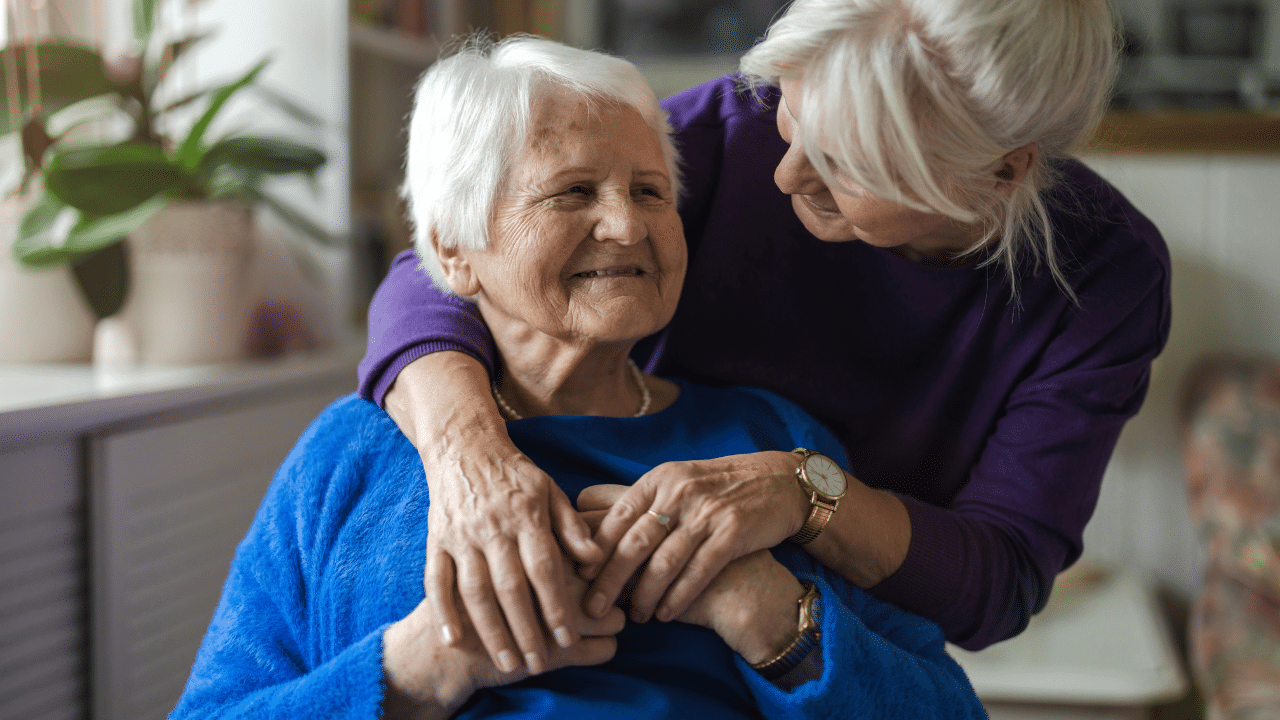
Dementia is a condition that affects the individual and the entire family. Therapists who specialize in aging often work with families on communication, conflict around caregiving, and making difficult decisions about driving, finances, and living arrangements.
Click here to find a therapist who specializes with older adults and caregivers.
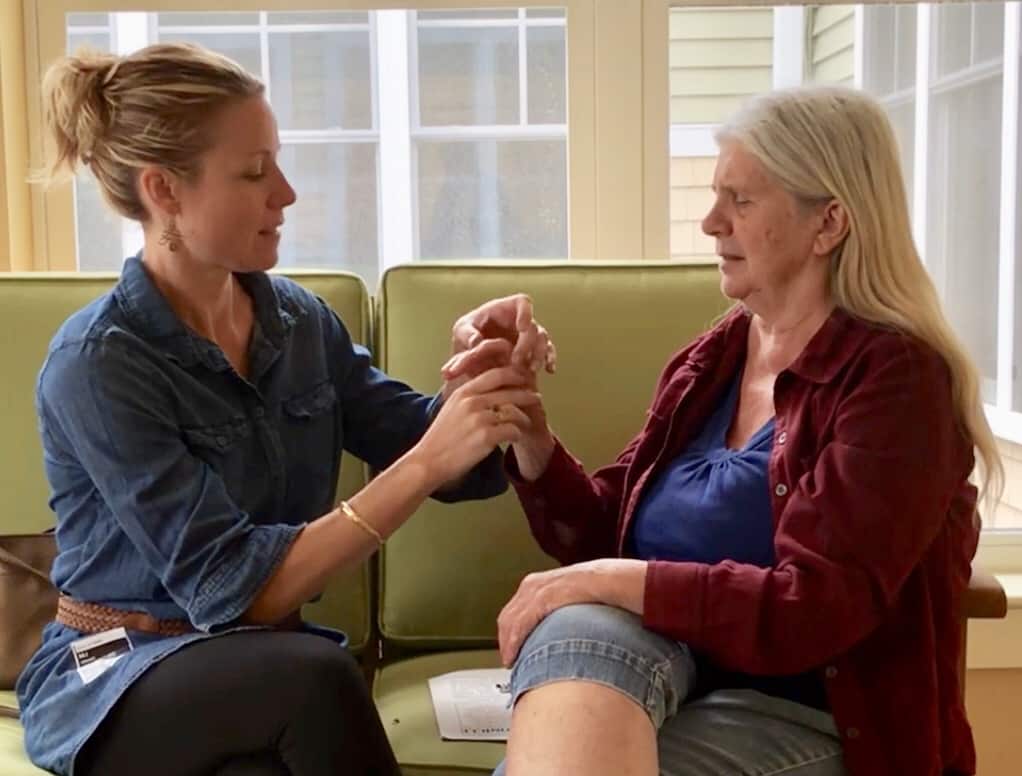
Dementia affects the individual and the whole family system. Caregiver Family Therapy can help navigate all of the challenges that come with dementia.
The Wider Dementia Care Team
Throughout this process, other professionals may become part of the picture:
- Geriatricians — Physicians specializing in older adults, skilled in managing multiple conditions and medications.
- Psychiatrists (especially geriatric psychiatrists) — For complex mood, anxiety, psychosis, or behavioral symptoms and medication management.
- Occupational therapists — For home safety, functional assessments, and strategies to maintain independence.
- Speech-language pathologists — For language, communication, and swallowing concerns.
- Social workers or care managers — For resources, care planning, benefits, and family support.
- Nurses and nurse practitioners — For education, coordination, and monitoring changes over time.
You don’t need to assemble everyone at once. The PCP can help prioritize which referrals make sense based on the current concerns.
How to Practically Get Started
If you’re worried about someone you love and aren’t sure where to begin:
- Make an appointment with their primary care provider.
- Bring a concise summary of changes, a medication list, and specific examples.
- Ask directly: “Can we do a cognitive assessment and check for medical causes of these changes?”
- Ask about next steps based on what the PCP finds:
- “Do you recommend a referral to neurology?”
- “Would a neuropsychological evaluation help us understand what’s going on?”
- “Can we involve someone who specializes in older adult mental health?”
5. Keep notes and collect records as you go. Test results, scan reports, and visit summaries will help you and the team see the big picture over time.
A dementia evaluation is rarely done in a single appointment. It’s often a long drawn out process process that unfolds across providers, conversations, and hard moments. And while the medical and cognitive pieces matter enormously, so does having someone in your corner who understands the emotional weight of all of it.
If you’re a professional, your role matters more than you might realize. Helping families ask the right questions, prepare for each appointment, and process what they’re learning can make the difference between a family that feels lost and one that feels like they have a path forward.
And if you’re a family member reading this: you don’t have to figure this out alone. Start with the primary care provider. Bring your notes. Ask your questions out loud. Take the first step.
Related Articles
- Caregiver family therapy
- Refusing dementia evaluation
- Just Diagnosed with Dementia? Here’s What to Do First
- Supporting People with Dementia Who Live Alone: Must Have Resources
- Suicide Risk After Dementia: Why the First Months Are Most Dangerous
- Why is Early Diagnosis of Dementia Important?
- 3 Simple Self-Care Strategies for Dementia Caregivers

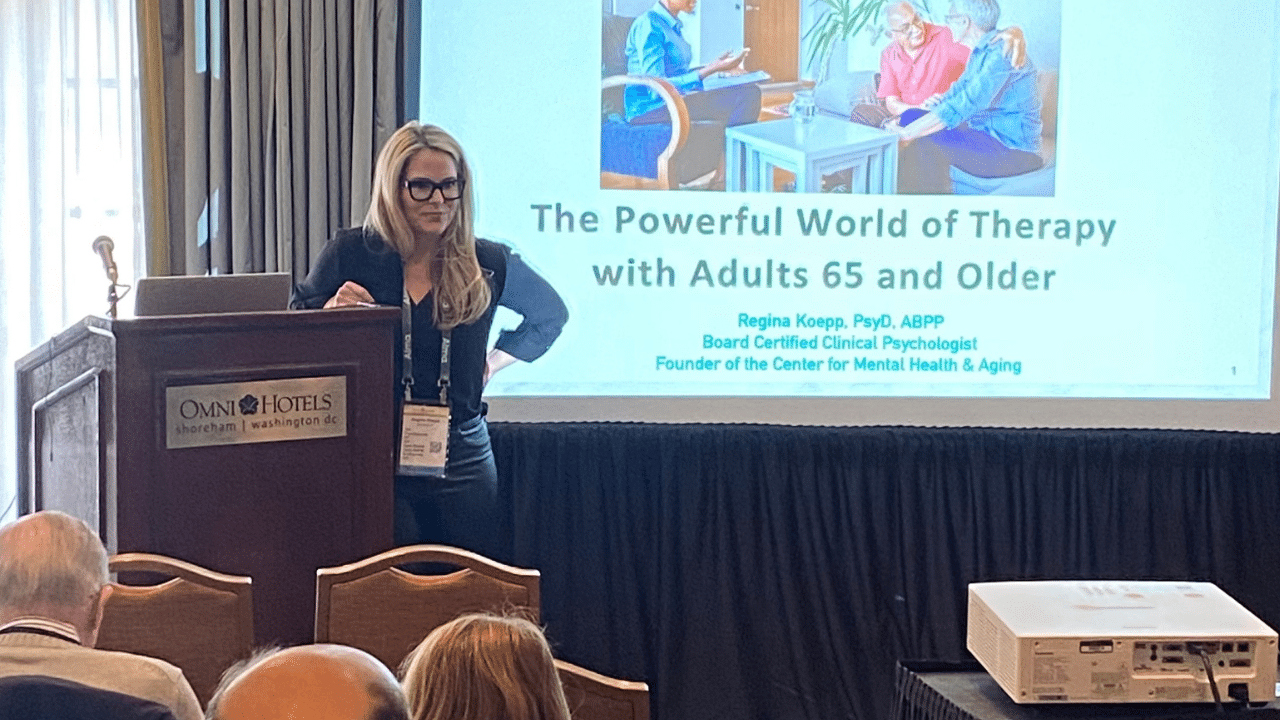
Dr. Regina Koepp is a board certified clinical psychologist, clinical geropsychologist, and founder and CEO of the Center for Mental Health & Aging: the “go to” place for mental health and aging. Dr. Koepp is a sought after speaker on the topics of mental health and aging, caregiving, ageism, resilience, intimacy in the context of life altering Illness, and dementia and sexual expression. Dr. Koepp is on a mission to ensure mental health and belonging for older adults, because every person at every age is worthy of healing, transformation, and love. Learn more about Dr. Regina Koepp here.
Regina Koepp, PsyD, ABPP















































































Want More? Read Our Most Recent Posts


Older adults deserve high quality mental health care.
Therapists deserve the training to provide that care.