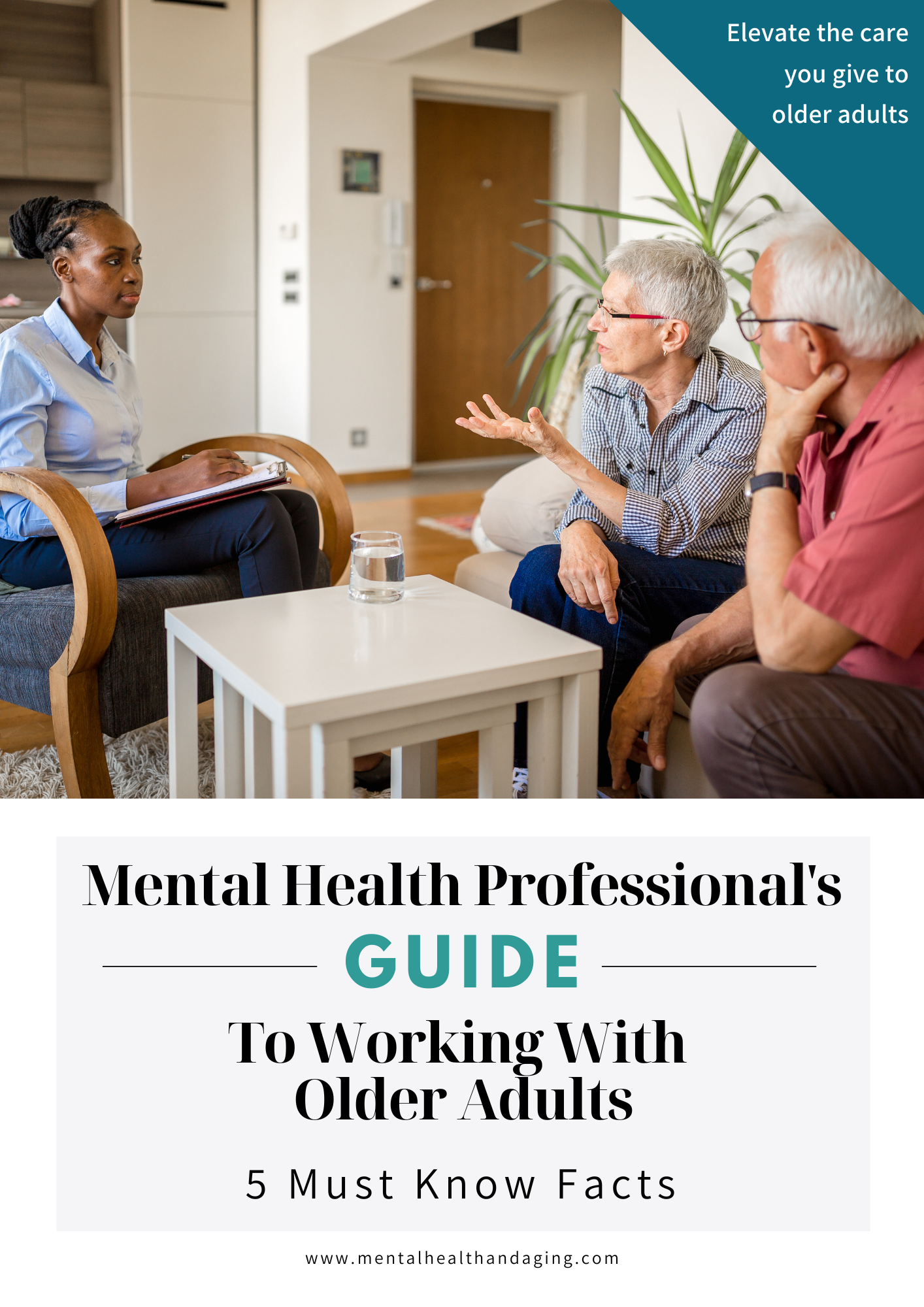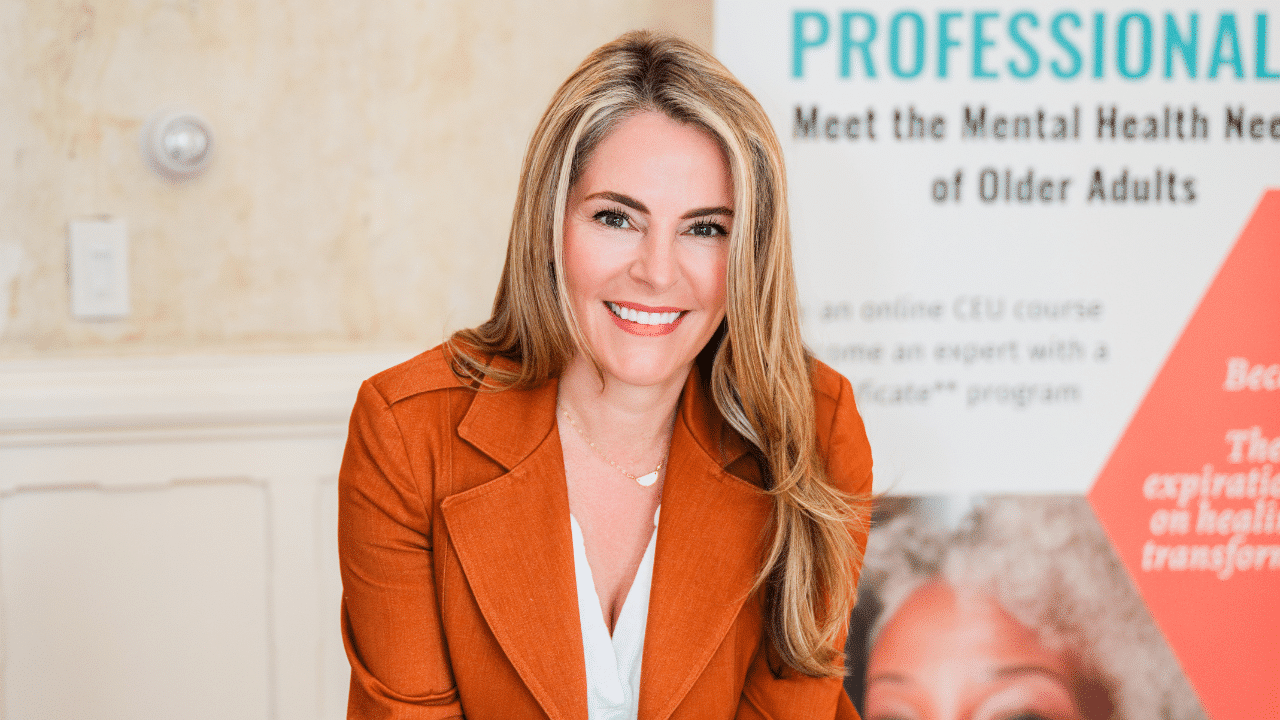
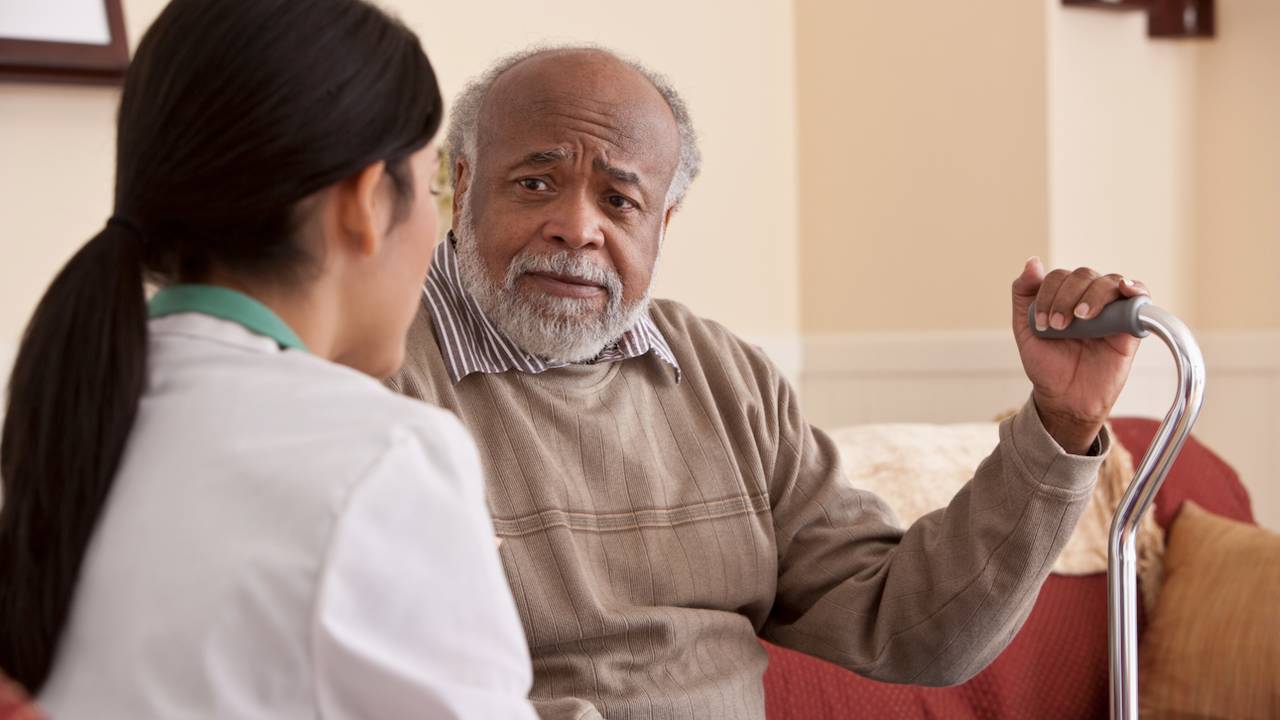
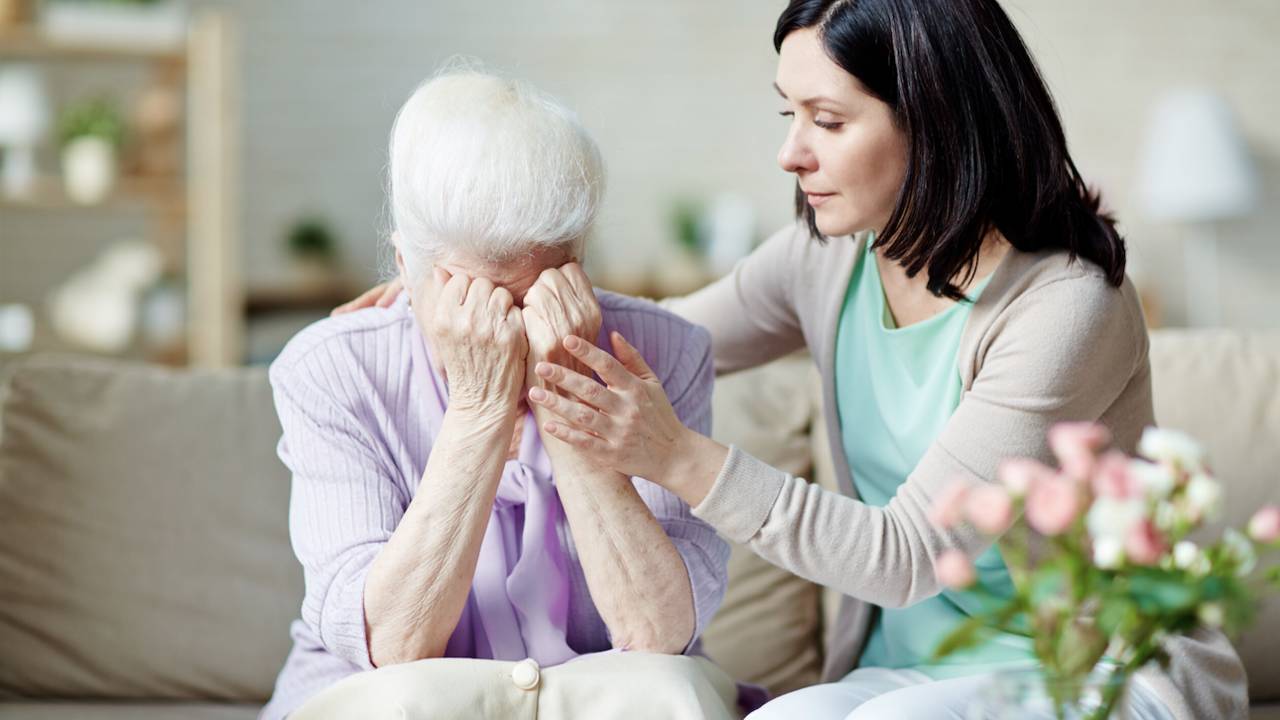
For more than 20 years as a Geropsychologist, I’ve received calls from people searching for a therapist for an older loved one — or a colleague looking for a referral. They weren’t asking for anything extraordinary. They wanted someone who understood depression in later life, grief after multiple losses, the weight of a new medical diagnosis, and the upheaval of major life transitions hitting all at once.
What they found instead: crickets. Clinicians who kindly admitted, “I don’t really work with older adults.”
This is not a personal failure. It’s a systemic one. Most of us were never taught how to assess, understand, and treat mental health concerns in older adulthood – not in graduate school, not in continuing education programs, nada.
This systemic failure of omitting aging mental health in training programs is part of the reason we’re in an aging mental health crisis today.
The Mental Health Crisis Facing Older Adults
Adults 65 and older are the fastest-growing age group in the United States. The U.S. Census Bureau projects that by 2030, older adults will outnumber children for the first time in U.S. history (U.S. Census Bureau, 2025). The need isn’t going away. It’s accelerating.
Among the more than 61 million people 65 and older in the U.S., 1 in 5 are living with a mental health condition. That’s roughly 12.5 million people — and between 50 and 70% of them will not receive any mental health treatment (Byers, Arean, & Yaffe, 2012; Karel, Gatz, & Smyer, 2012). Not because treatment doesn’t work for older adults. Research shows older adults benefit from mental health treatment at the same rate as other age groups . It’s because the system isn’t built to reach them.
When mental health conditions go untreated in older adulthood, the consequences are serious and far-reaching:
- More medical problems and longer hospital stays
- Greater medication burden and more ER visits
- Increased loneliness, isolation
- Heightened risk for dementia
- Poorer quality of life and greater family strain
- Increased risk for suicide
Why is it that older adults are NOT getting the mental health care they need?
- An undertrained workforce: Fewer than 5% of mental health professionals have specialized training in geriatric mental health (Buehler & Emery-Tiburcio, 2024; Karel et al., 2012).
- Access barriers: Limited availability of trained providers, compounded by Medicare credentialing challenges and reimbursement rates that fall short of private insurance and private pay.
- Ageism: Systemic and internalized assumptions that older adults are less worth treating, less likely to change, or less able to benefit from care.
- Stigma: Mental health stigma that keeps older adults from seeking help in the first place.
- Misinformation: Harmful and inaccurate messages that mental health conditions are a normal part of aging, that treatment isn’t effective in later life, or that suffering is inevitable.
Here’s the truth: mental health conditions are highly treatable among older adults. Research shows that people over 65 benefit from mental health treatment at the same rates as other age groups.
The tragedy isn’t that older adults can’t be helped. It’s that so many never get the chance.
We’re on a mission to improve mental health care for older adults
I built the Center for Mental Health + Aging with one clear purpose: to make sure older adults have access to high-quality, evidence-based mental health care — by making sure professionals have the training to provide it.
To date, we’ve trained more than 7,500 professionals across all 50 states, Canada, and internationally — psychologists, social workers, counselors, therapists, LMFTs, aging life care experts, and allied health professionals. And we’re just getting started.
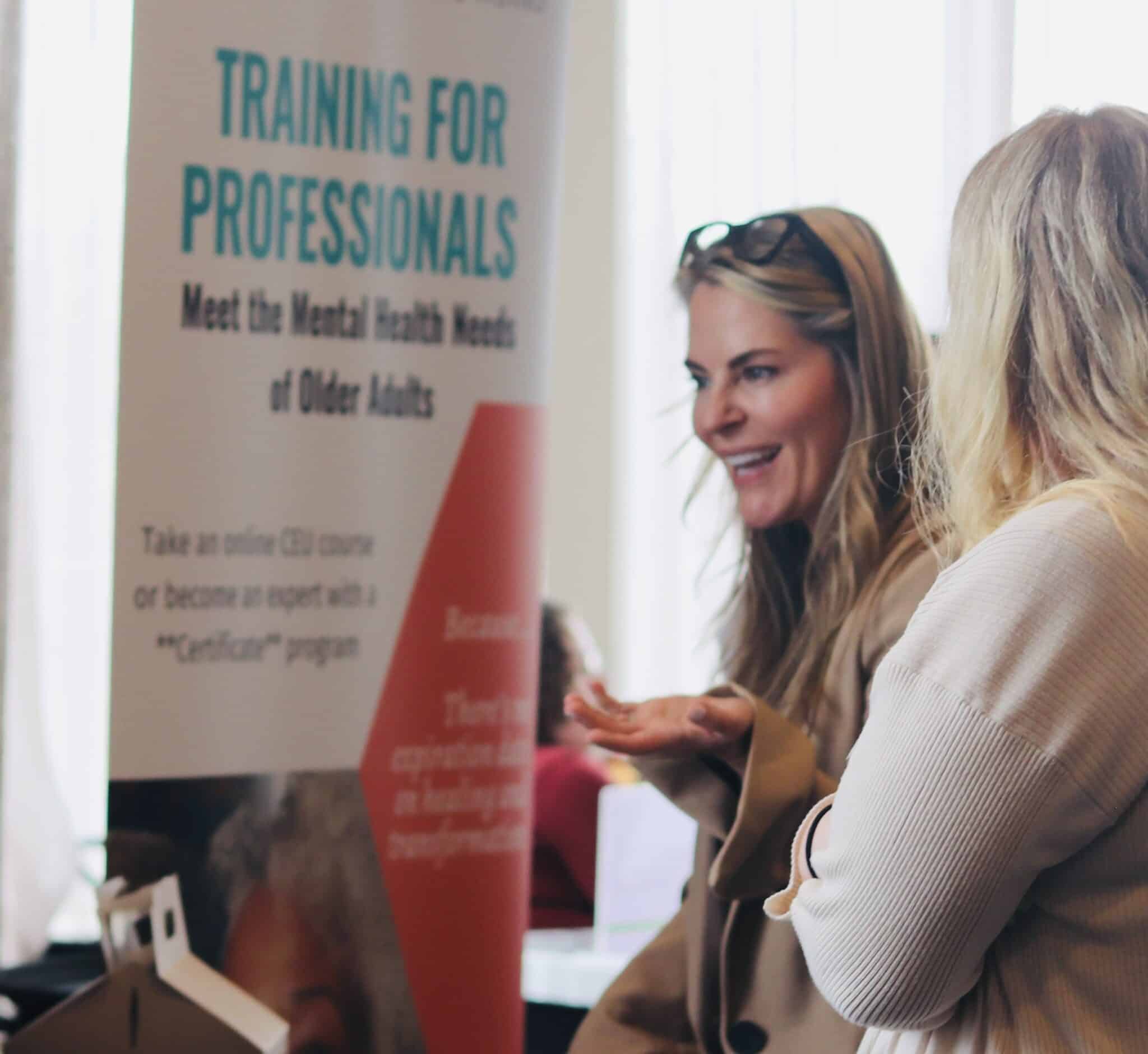
We offer CEU Courses and Consultation Programs to meet the mental health needs of older adults
- Live webinars and on-demand CE courses on topics ranging from depression and anxiety in older adults, to brain health, dementia-informed therapy, chronic pain, end-of-life ethics, sexual health and aging, ageism, and more
- Professional certificate programs, including our Mental Health + Aging Certificate (18 CEs), Trauma-Informed Care Certificate, and Pain Psychology Certificate
- A full credentialing pathway to become a Certified Mental Health + Aging Specialist — the field’s professional recognition for clinicians who make this work central to their practice
- Organizational training partnerships with healthcare systems, graduate programs, and aging services networks who want to build a more aging-informed workforce
Partnerships with National Organizations to Meet the Mental Health Needs of Older Adults
We’ve also had the wonderful opportunity to partner with national organizations in the movement to ensure older adults get high quality mental health care, because closing this gap takes coordination across systems, not just individual effort:
- American Society on Aging
- Aging Life Care Association
- National Association of Certified Care Managers
- Oregon Health Authority
- Vermont Area Agency on Aging
- Vermont State Health Department
What Happens When Therapists Are Trained in Aging Mental Health
The clinicians I train consistently tell me that learning to work with older adults transformed their practice — not just with this population, but across their entire caseload. Understanding grief across the lifespan. Recognizing how chronic illness intersects with mental health. Holding complexity without rushing toward resolution. These are skills that make every clinician better.
Here’s what some of them have had to say about our Mental Health + Aging Certificate Program (18 CE Credits)
“The program has had an immediate impact with my clients.” — William Devorick, LPC, Pennsylvania
“One of the very best learning experiences of my 40 years as a psychologist.” — Patricia Romney, PhD, Clinical and Organizational Psychologist, Massachusetts
Therapists Building a Specialty in Mental Health + Aging
I want to introduce you to a couple of clinicians who have decided to build a specialty in aging mental health.
Vanessa Schaeffer, PsyD
Vanessa A. Schaeffer, Psy.D. spent 25 years as an established clinical psychologist working with individuals of all ages. After dedicated training and focused geriatric mental health clinical case consultation, she now identifies as a geropsychologist. She has a thriving practice providing psychotherapy to older adults and their families, has authored three books on geropsychology, gives talks on aging and mental health, and publishes a monthly newsletter on aging. That’s what specialization can look like.
Andrea Verier, MA, MS, LMHC, LPC
Andrea Verier, MA, MS, LMHC, LPC is a Psychotherapist in Florida and Michigan providing aging-informed therapy to older adults, caregivers, and families. Andrea completed Level 1: Mental Health + Aging Certificate and Level 2: Case Consultation. Here’s what she had to say:
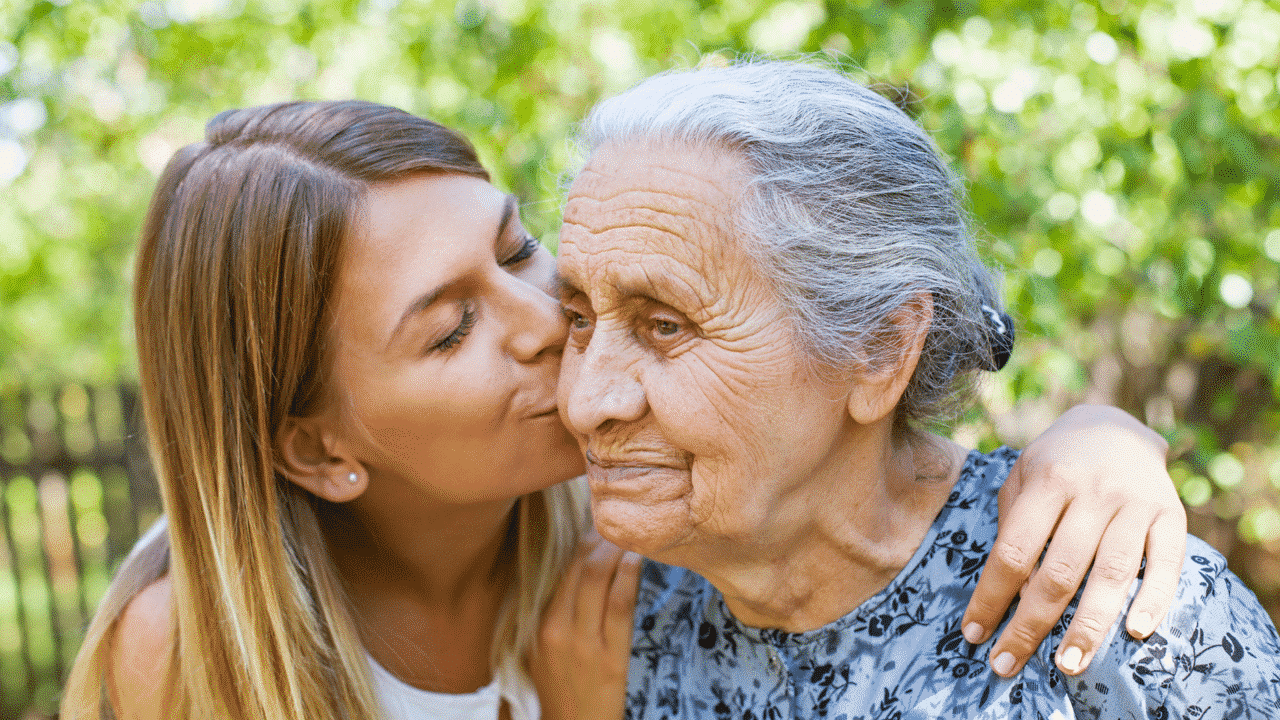
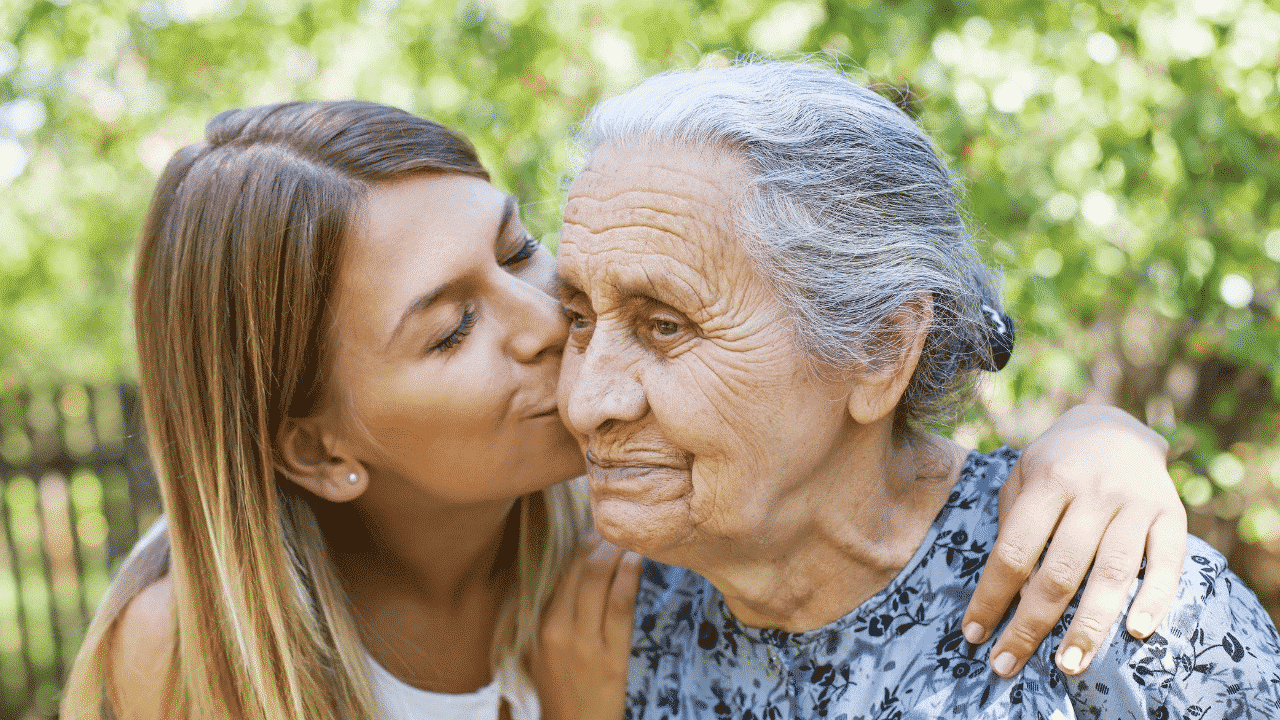
“You have inspired me in so many ways! I even put a photo of me and my mom on my new business card.”

Meet Sandra Miller, MSW, LCSW who built a group for fellow residents in the senior living community she lives in:
“Thank you for your guidance on the discussion group on mental health and aging. There was so much interest that I opened it up to whoever was interested. We are in our second month of weekly discussions on Aging, Mental Health and Wellness. We get 35 people each week consistently. We started out with what emotion is, being present with emotions, and fear of emotions. Participants loved learning about emotions, practicing mindfulness and opening up to get to know others on a deeper level. You were the inspiration! Thank you!. – Sandra Miller, MSW, LCSW
When a clinician is trained, every older adult on their caseload and in their community benefits.
Join the Movement for Mental Health and Aging
Fixing the mental health care gap for older adults isn’t something the Center for Mental Health + Aging can do alone. It’s going to take a movement — a coordinated, sustained commitment from clinicians, training programs, healthcare systems, policymakers, and advocacy organizations to center older adults as a population that deserves specialized, competent care.
That movement starts with you.
If you’re a clinician reading this, join us!
- Get trained. You don’t have to be a geropsychologist to work effectively with older adults. You just need foundational knowledge — and there are now excellent pathways to get it. See our courses.
- Ask the questions. Older clients will often tell you what they need if you ask directly. Don’t assume their presenting concern is the whole picture.
- Challenge your own ageism. All of us have absorbed cultural messages that devalue aging and older people. Recognizing those assumptions, and actively working against them, is part of the clinical job. Learn more
- Build the referral network. Even if older adults aren’t your primary population, knowing who in your community does this work well, and connecting clients to them, makes a difference. Check our our national therapist directory
- Advocate. Push your training program, your licensing board, your employer to recognize geriatric mental health competency as a professional standard, not an elective. Contact us to bring our training programs into your system
If you’re a training director, a department chair, a healthcare system: the field needs you to integrate aging content across the curriculum, not relegate it to a single optional course. The fastest-growing segment of the population deserves more than an afterthought. Contact us to bring our training programs into your system
And if you’re an older adult or a family member looking for care — your needs are legitimate, your mental health matters, and you deserve a provider who knows how to help you. If you’re having trouble finding one, that’s not a personal failure. It’s a systemic gap that we are working to close with our national therapist directory.
The Work Continues
If we’re lucky, aging is something all of us, and everyone we love, will experience. And yet it has been kept on the periphery of the mental health profession for far too long.
We’re here to change that.
The aging mental health crisis is real. So is the solution. And it starts with each of us deciding that this population, our older clients, our community members, our future selves is worth the investment.
Older adults deserve high-quality mental health care. Therapists deserve the training to provide it.
Join us.
References
Buehler, S., & Emery-Tiburcio, E. E. (2024). Building the geriatric mental health and substance use workforce. Generations Journal, 48(1). https://generations.asaging.org/building-geriatric-mental-health-workforce/
Byers, A. L., Arean, P. A., & Yaffe, K. (2012). Low use of mental health services among older Americans with mood and anxiety disorders. Psychiatric Services, 63(1), 66–72. https://doi.org/10.1176/appi.ps.201100121
Karel, M. J., Gatz, M., & Smyer, M. A. (2012). Aging and mental health in the decade ahead: What psychologists need to know. American Psychologist, 67, 184–198. https://doi.org/10.1037/a0025393
U.S. Census Bureau. (2025). Older adults outnumber children [Press release]. https://www.census.gov/newsroom/press-releases/2025/older-adults-outnumber-children.html

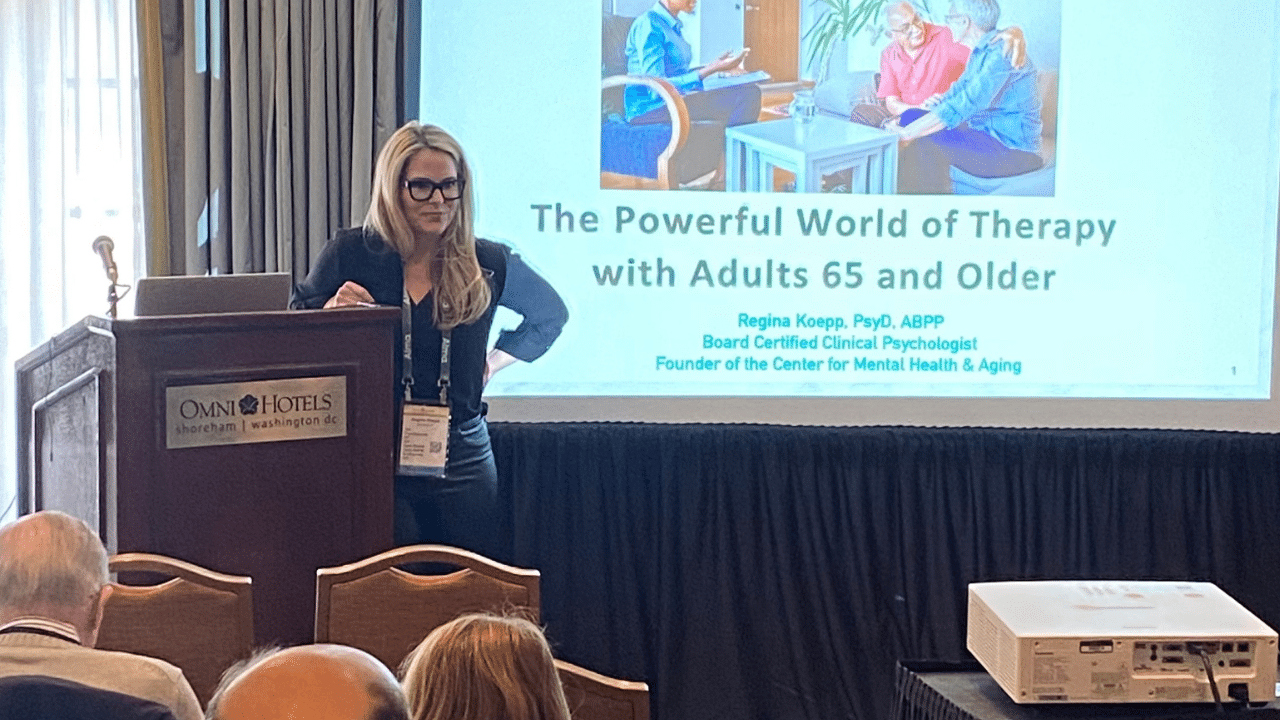
Dr. Regina Koepp is a board certified clinical psychologist, clinical geropsychologist, and founder and CEO of the Center for Mental Health & Aging: the “go to” place for mental health and aging. Dr. Koepp is a sought after speaker on the topics of mental health and aging, caregiving, ageism, resilience, intimacy in the context of life altering Illness, and dementia and sexual expression. Dr. Koepp is on a mission to ensure mental health and belonging for older adults, because every person at every age is worthy of healing, transformation, and love. Learn more about Dr. Regina Koepp here.
Regina Koepp, PsyD, ABPP


























































Want More? Read Our Most Recent Posts


Older adults deserve high quality mental health care.
Therapists deserve the training to provide that care.